

Plastic has a bad reputation, and some of it is earned. Litter on beaches and blocked drains are real problems. Yet the benefits of plastic packaging are just as real: it keeps food clean, protects goods in transit and does both with very little material. For anyone buying packaging in volume, the useful question is how to use plastic well.

The benefits of plastic packaging that rarely get mentioned
Polyethylene film became one of the defining materials of the last century for a simple reason. Few materials give so much protection for so little cost and weight. A thin HDPE or LDPE bag resists moisture, does not tear when wet, seals with heat and can be made clear, coloured or printed.
Those properties matter most in food and hygiene. Fresh produce, meat, bread and frozen goods all need a barrier against water, dirt and handling. Paper and card can do part of that job, but usually only when coated, laminated or made much heavier.
Weight is the other point buyers notice. A carton of thin plastic bags holds far more units than a carton of paper bags of similar size, so fewer containers and fewer truck journeys are needed to move the same number of bags. The comparison below shows the difference in bulk.
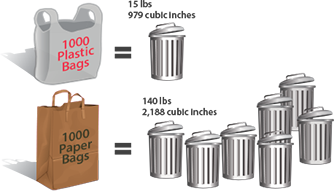
Where the problem really sits
Most of the harm linked to plastic comes after use. A bag that ends up in a river was not a bad product; it was badly handled at the end of its life. That is why reduction, reuse and proper collection do more good than switching blindly to a heavier alternative.
Small habits add up. Carrier bags can go back to the shop several times. A shopping bag that has done its job can become a bin liner. Households and businesses that separate their waste give recyclers clean material to work with, and that is the material most likely to get a second life.
Reading resin identification codes
The small number inside the triangle on a plastic item is its resin code. It tells you what the item is made of, which helps sorting. It does not promise that the item will be recycled where you live.
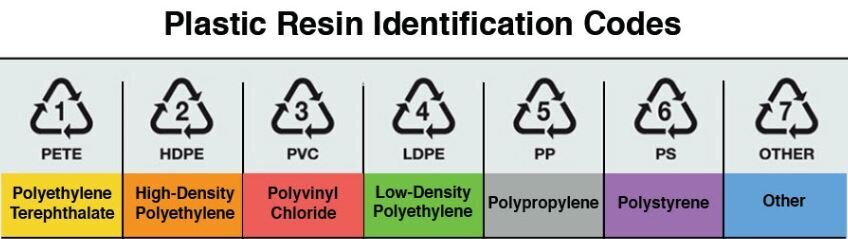
- 1 PET: drinks bottles and food trays.
- 2 HDPE: T-shirt bags, trash bags, milk bottles.
- 3 PVC: some films and pipes; harder to recycle.
- 4 LDPE: soft films, zipper bags, cling film.
- 5 PP: containers, caps and non-woven bags.
- 6 PS: foam trays and cups.
- 7 Other: mixed or specialist plastics, the least likely to be recycled.
Most bags and liners are polyethylene, either code 2 or code 4. Polyethylene is a single-material family, which makes it easier to reprocess than multi-layer laminates. Whether a given film is actually collected depends on local schemes, so check with your municipality or retail partners.
Buying plastic packaging more responsibly
Importers and retailers have more influence over waste than consumers do, because they set the specification. Three choices make a difference. First, avoid over-specifying thickness; a bag only needs to be strong enough for its load. Second, keep to one material where possible, so the bag stays recyclable as a mono-polyethylene item. Third, print the resin code and a simple disposal message on the bag. Hanpak can add both through its private label and custom printing service.
For some markets, biodegradable bags or reusable non-woven bags are a better fit. They are not automatically greener; they suit specific uses and local rules. Ask what happens to the bag after use before choosing the material.
If you want a lighter bag without losing strength, we usually suggest testing a blend with more LLDPE or metallocene resin before simply cutting microns. A short load test on stock samples tells you quickly whether the thinner gauge holds up for your use.
From the Hanpak team
Plastic will keep a place in packaging because it does certain jobs better than anything else at the same price. The responsibility lies in using the right amount, choosing recyclable formats and making disposal easy for the end user.
Talk to Hanpak about a leaner bag specification
Hanpak has been exporting plastic packaging for more than 20 years. Send us the bag type, size and use, and we will come back with a quote within 48 hours. You can request a quote or samples through our contact page or message the team on WhatsApp; stock samples are free.