

In high-speed packaging environments, efficiency is everything. A few seconds of delay per cycle can lead to significant productivity losses over time. That’s why many industries – especially bakery, frozen food, and fresh produce – rely heavily on wicket bags.
However, not all wicket bags deliver the same performance. The right specification can improve speed, reduce downtime, and lower overall operational costs.
What Makes Wicket Bags Essential in Automation?
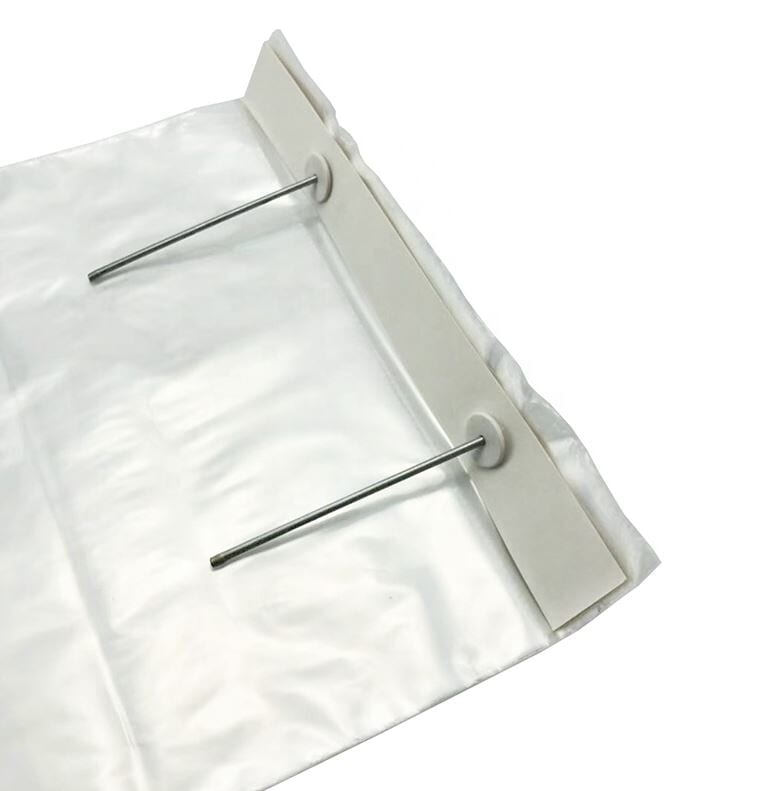
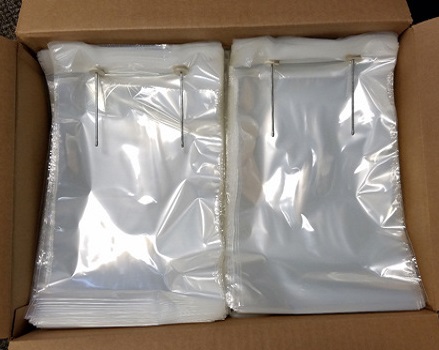
Wicket bags are designed to be pre-stacked on a metal wire (wicket), allowing quick and consistent dispensing during packing.
This structure enables:
- Faster bag handling
- Better alignment in automated machines
- Reduced manual effort
In industries like sliced bread packaging, where thousands of units are processed daily, this efficiency becomes critical.
Key Features That Impact Performance
1. Wicket Hole Position & Consistency
One of the most important but often overlooked factors is wicket hole spacing.
If the spacing is inconsistent:
- Bags may not align properly with the machine
- Feeding issues can occur
- Production speed decreases
Precision in this detail ensures smooth operation and minimizes interruptions.
2. Lip Size for Easy Handling

The lip (extended part at the top of the bag) helps operators or machines grab and open the bag quickly.
A well-designed lip:
- Improves handling speed
- Reduces misfeeds
- Supports automated filling systems
Too short → difficult to open
Too long → unnecessary material cost
Finding the right balance is key.
3. Relief Slits for Smooth Opening
Relief slits are small cuts near the opening of the bag. Though simple, they significantly improve usability.
They help:
- Reduce resistance when opening the bag
- Prevent tearing under pressure
- Maintain consistent performance in high-speed lines
Without relief slits, bags may stick or tear, causing delays and waste.
4. Film Quality and Additives
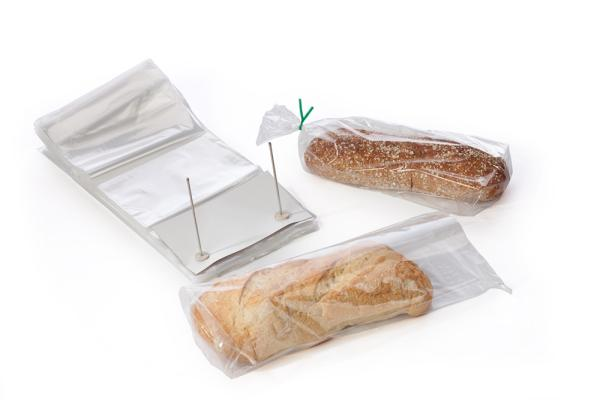
Material selection directly affects machine performance.
Important factors include:
- Anti-block additives → prevent bags from sticking together
- Slip agents → allow smooth opening
- Consistent thickness → ensure uniform strength
Low-quality films may cause:
- Double-bag feeding
- Static issues
- Machine jams
Common Mistakes Buyers Make
Many buyers focus only on price and basic specifications of wicket bags like size and thickness. However, ignoring functional details can lead to:
- Increased downtime
- Higher labor costs
- Lower packaging efficiency
In some cases, the cost of production delays far exceeds the savings from cheaper bags.
How to Optimize Cost Without Sacrificing Efficiency
Instead of choosing the lowest price, smart buyers look for optimization opportunities such as:
- Adjusting pcs per wicket for better handling
- Fine-tuning thickness vs. strength
- Using the right material formulation
These adjustments can improve both performance and cost efficiency.
Why Supplier Experience Matters
An experienced supplier understands not just the product, but also the packaging process.
They can:
- Customize bags based on machine requirements
- Ensure consistent production quality
- Provide technical recommendations
This is especially important for long-term cooperation and stable supply.
Conclusion
Wicket bags are more than just packaging – they are a critical part of your production system.
Choosing the right specification can significantly improve efficiency, reduce downtime, and enhance overall productivity.
In a competitive market, the right packaging solution is not just a cost – it’s an investment in performance.
For more information about Hanpak’s plastic packaging products and Alibaba shop, please contact us:
Email: info@hanpak.com.vn
Hotline (Mobile/WhatsApp): +84 898 545 893
Our experienced sales team is ready to assist you. Contact us today to place your order and experience the quality and reliability that Hanpak offers.