Why Produce Bags Still Matter
In the age of automation and advanced packaging, produce bags on roll remain one of the most widely used solutions in the global food supply chain. From local grocery stores to large-scale supermarket chains, these simple yet effective bags support millions of daily transactions.
Why? Because they solve three core challenges at once:
- Speed in high-traffic retail environments
- Hygiene for fresh food handling
- Cost efficiency for both retailers and consumers
Despite their simplicity, the design and quality of these bags can significantly impact operational performance and customer experience.
What Are Produce Bags on Roll?

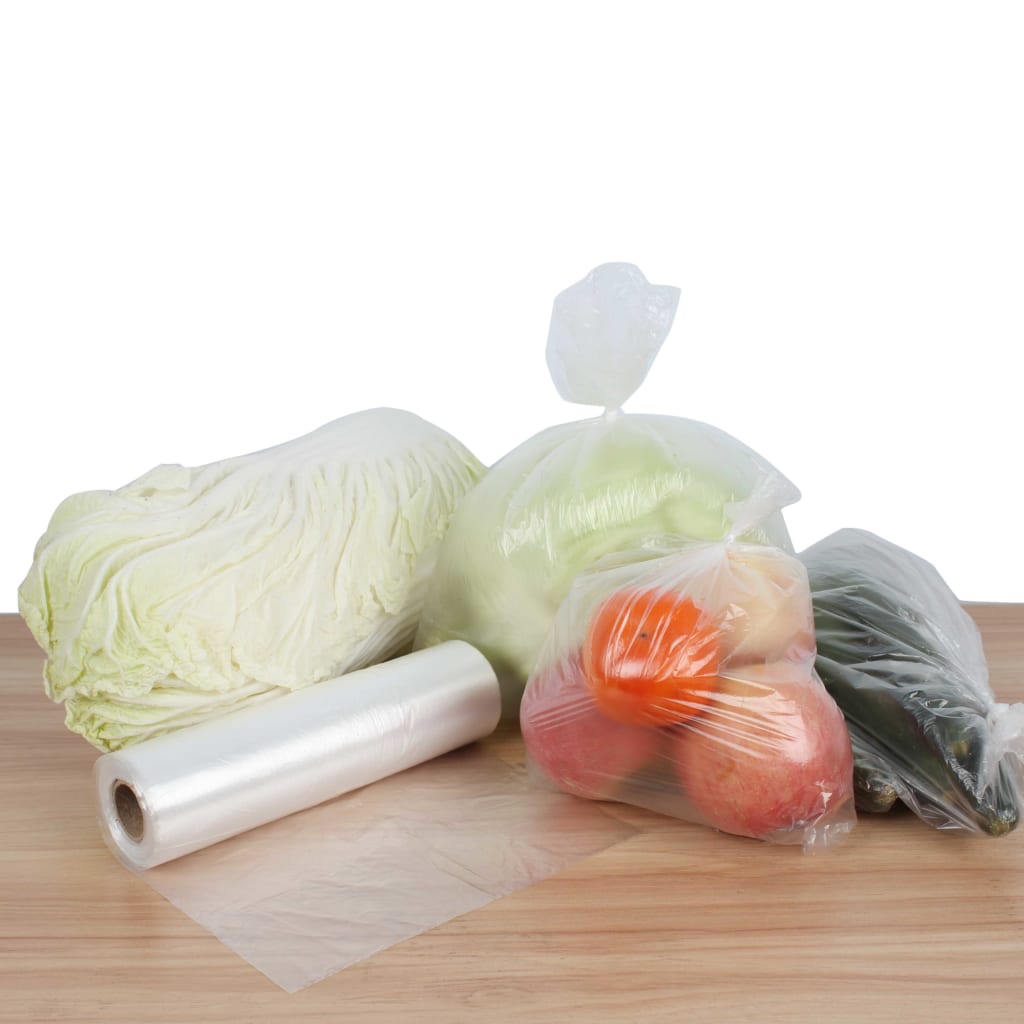
Produce bags on roll are plastic bags connected in a continuous roll format, separated by perforated tear lines. Users can easily pull and tear off individual bags as needed.
Unlike loose bags, this format ensures:
- Organized dispensing
- Reduced waste
- Faster access
These bags are typically mounted on dispensers in produce sections, allowing customers to quickly pack fruits, vegetables, or bulk items.
How Perforation Design Impacts Efficiency
One of the most overlooked yet critical aspects of produce bags is the perforation quality.
A well-designed perforation ensures:
- Easy tearing with minimal force
- No damage to the next bag in the roll
- Smooth customer experience
Poor perforation, on the other hand, can lead to:
- Multiple bags tearing at once
- Frustration for users
- Increased material waste
Manufacturers must carefully balance tear strength vs. connection strength to achieve optimal performance.
4. Materials: HDPE vs LDPE in Produce Bags
Choosing the right material is essential for performance and cost control.
🔹 HDPE (High-Density Polyethylene)
- More rigid and lightweight
- Cost-effective
- Ideal for thin, high-volume bags
🔹 LDPE (Low-Density Polyethylene)
- Softer and more flexible
- Higher clarity
- Better puncture resistance
In most supermarkets, HDPE is preferred for produce bags due to its lower cost and sufficient strength for everyday use.
5. Key Technical Specifications Buyers Should Know

For importers and distributors, understanding technical specs is crucial when sourcing:
📏 Size
Common sizes range from small bags (for herbs) to large formats (for bulk vegetables).
⚖️ Thickness (Micron)
- 8–10 mic: ultra-light, cost-saving
- 10–15 mic: standard supermarket use
- 15+ mic: heavier or bulk items
🔄 Bags per roll
Typically 200–1000 bags/roll depending on application.
🧵 Core size
Must match dispenser systems used by retailers.
🔍 Transparency
Important for product visibility and scanning at checkout.
6. Real-World Applications in Retail & Industry
Produce bags on roll are used far beyond supermarkets:
- Retail chains: Fruits, vegetables, bakery items
- Wet markets: Fast-paced manual packing
- Food processing plants: Pre-packaging fresh produce
- Export operations: Temporary packaging before final shipment
Their flexibility makes them suitable for both manual and semi-automated environments.
7. Common Problems & How to Avoid Them

Even though produce bags are simple products, quality issues can create big operational problems.
❌ Common issues:
- Bags tearing too easily
- Perforation too weak or too strong
- Rolls jamming in dispensers
- Inconsistent thickness
✅ Solutions:
- Work with experienced manufacturers
- Request pre-production samples
- Define clear technical specs
- Ensure strict quality control
8. Cost Optimization Strategies for Importers
In a highly competitive market, pricing is always a key concern.
Here are some ways buyers can optimize cost:
- Adjust thickness based on real usage
- Optimize roll length for logistics efficiency
- Mix sizes in one container
- Plan orders ahead to avoid raw material price spikes
A good supplier should not only quote prices but also advise on cost-saving strategies.
9. Market Trends & Future Outlook


The demand for produce bags on roll continues to grow, driven by:
📈 Retail expansion
Modern trade channels are expanding globally.
⚙️ Efficiency focus
Retailers want faster, smoother customer experiences.
🎯 Branding opportunities
Printed produce bags are gaining attention.
🌍 Sustainability pressure
Buyers are optimizing material usage rather than eliminating plastic entirely.
10. Final Thoughts
Produce bags on roll may look like a low-value item, but they are a high-impact product in daily retail operations. Their design, material, and quality directly affect efficiency, cost, and customer satisfaction.
For importers and distributors, the key to success lies in:
- Choosing the right specifications
- Partnering with reliable manufacturers
- Staying flexible with market changes
In a world where speed and efficiency define competitiveness, perforated produce bags on roll remain an essential packaging solution that delivers real value every day.
For more information about Hanpak’s plastic packaging products and Alibaba shop, please contact us:
Email: info@hanpak.com.vn
Hotline (Mobile/WhatsApp): +84 898 545 893
Our experienced sales team is ready to assist you. Contact us today to place your order and experience the quality and reliability that Hanpak offers.