
Most homes have one: the bag of bags under the sink, stuffed so full that pulling one out brings ten with it. Knowing how to fold plastic grocery bags fixes that in a few minutes. There are two methods worth learning. The triangle makes a flat packet for a pocket or glovebox. The roll keeps a whole stack together and hands them out one at a time.
Folded bags take a fraction of the space, stay clean for reuse, and let you see at a glance how many you actually have.
The triangle fold
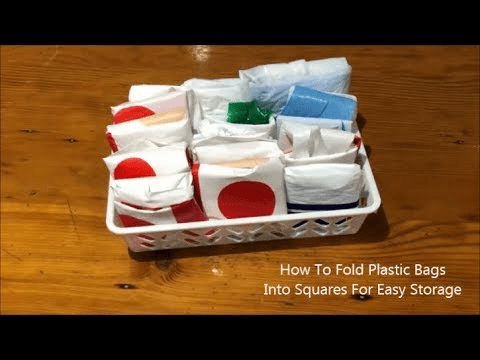
If you have ever folded a flag, this will feel familiar.
- Lay the bag flat on a table and smooth out the air.
- Fold it in half lengthwise so the handles sit on top of each other.
- Fold it lengthwise again to make a long, narrow strip.
- At the bottom end, fold one corner across to the opposite edge to form a triangle.
- Keep flipping the triangle up along the strip until you reach the handles.
- Tuck the handles into the pocket of the last fold so the packet holds its shape.
The first one takes a minute. By the fifth you will do it without looking.
The rolled bundle
When you have a pile to deal with, rolling is quicker. Fold each bag lengthwise. Lay them in an overlapping line so the handles of each bag rest on the body of the one before it. Turn the handles of the first bag outward, then roll the whole line up tightly. Pull those first handles and the bags come out one after another, each one drawing the next into place.
A quick knot is faster still, but it leaves a lumpy ball that takes up more room.
Where to keep them
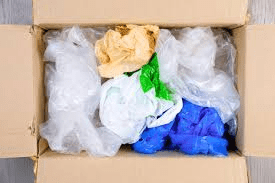
An empty wipes tub or tissue box makes a good dispenser. Wash and dry it, drop a rolled bundle inside and feed the first handle through the opening.
Triangles sit well upright in a shallow drawer box. A holder fixed inside a cabinet door keeps them off the counter, and a cloth drawstring sack with a hole at the bottom works in a pantry. Another simple habit: keep two or three folded bags at the bottom of each small bin, so a fresh liner is there when you empty it.
A second life for each bag
Every extra use gets more value from the same material. Folded bags line bathroom and office bins, pick up after the dog, hold wet swimwear or muddy shoes, wrap small items during a move and cover plants on a frosty night.
Keep only as many as you will reuse in the next few weeks. When a bag is worn out, look for a film drop-off point; many supermarkets collect clean, dry bags. Most kerbside schemes do not take them, because thin film tangles in sorting machines, so check your local rules.
For retailers: bags people want to keep
A shopper only folds and reuses a bag that survived the first trip. Stores can make reuse more likely through what they buy:
- Material: HDPE T-shirt bags are strong and economical; LDPE die cut handle bags feel softer and more premium.
- Thickness: a few more microns can turn a single-trip bag into one that gets reused.
- Size and gusset: match the bag to a typical basket, not the largest single item.
- Alternatives: non-woven bags can sit beside plastic as a reusable option.
- Branding: a printed logo goes home with the customer and keeps working each time the bag is reused.
If cashiers struggle to open bags quickly at the till, a useful check is the header. Block-headed T-shirt bags hung on a hook rack tear off one at a time and open more easily than loose bags from a pile. We usually suggest testing a sample pack on your own racks before fixing the punch position.
From the Hanpak team
Hanpak quotes MOQ per size and design, and a first bag order takes 4–6 weeks from sample approval, with repeat orders in 3–4 weeks.
Stocking bags for your store?
Hanpak supplies grocery, T-shirt, die cut and non-woven bags to importers, distributors and retailers, in custom sizes, thicknesses and print. Tell us your sizes and volumes to request a quote or samples on our contact page or through WhatsApp. You get a quote within 48 hours of sending your spec.