
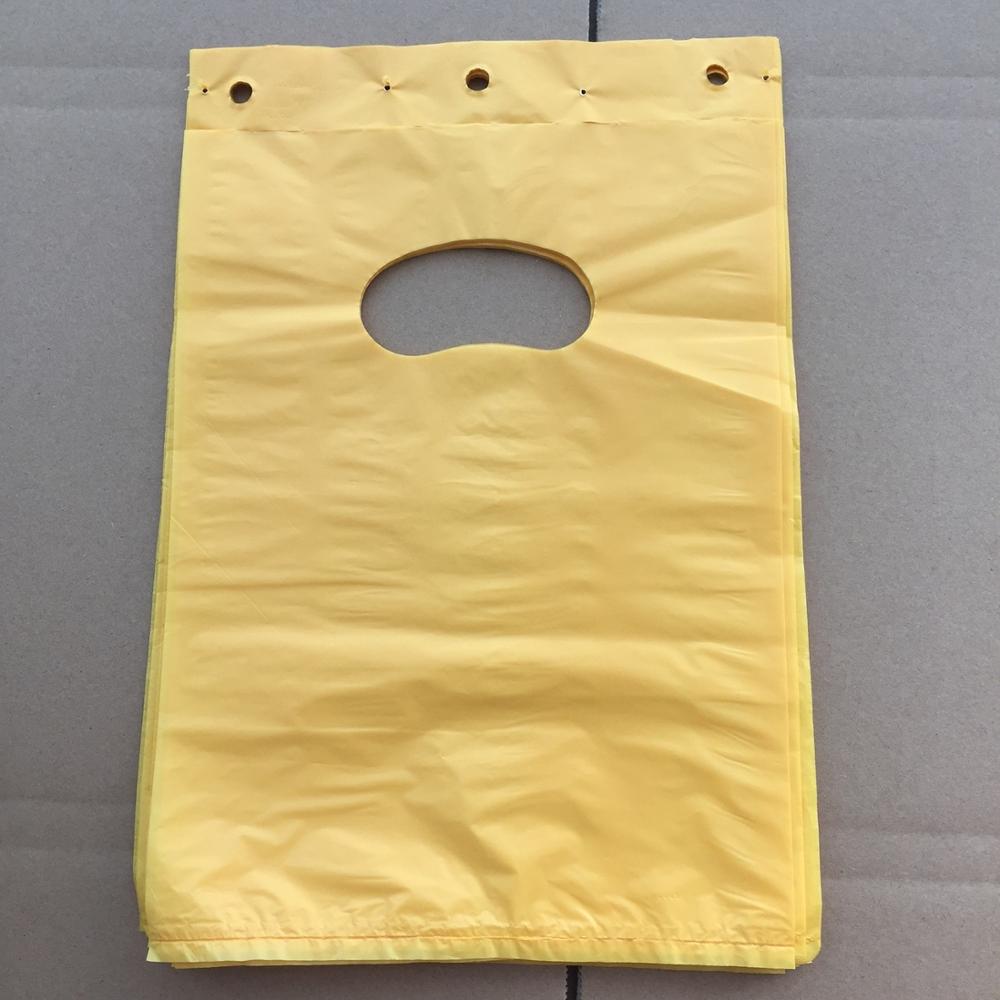
Block-head bags are the bags you find stacked on a hook or bench in a packing room, held together at the top so each one pulls off cleanly. They look like plain flat bags, but the way they are made and packed makes them faster to use on a busy line.
Bottom seal or side seal: what the difference means
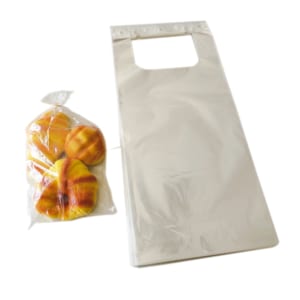
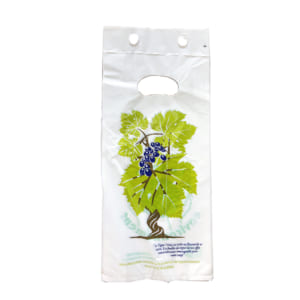
A side-seal bag is cut from flat film and welded along both sides. A bottom-seal bag starts as a tube of film. It is sealed straight across the bottom and cut, so the sides have no seams at all and the bag has a short lip, or skirt, below the seal.
With no side seams, a bottom-seal bag carries weight evenly across its width. That suits heavier or bulkier goods, and it is why the format is common for bulk food, hardware and industrial parts.
What the “block head” does
The bags are stacked in blocks, usually of 100 or 200, and joined at the top with heat-punched holes. The block can hang on a hook or sit on a bench, and the packer tears off one bag at a time. Nothing slides off the table, bags stay clean, and nobody has to fish a single bag out of a carton.
Where they are used
- Bulk food such as rice, sugar, beans, frozen items and bakery goods
- Pharmacies and clinics packing medicines and supplies
- Hardware, screws and small parts
- Supermarket back rooms and delis
- Garment and textile packing
For a deeper look at how they compare with wicket, flat and vest bags, see our guide to block-head bags versus other bag types and our note on bulk packaging applications.
Specifying your bags
Most block-head bags are made from LDPE, LLDPE or a blend of the two, which keeps them soft and tough. Choose the width and length from your largest product, then a gauge that suits its weight. Decide how many bags you want per block, whether you want a colour tint for sorting, and whether your logo should be printed. Colour is a simple way to separate product lines or hide contents from view.
A detail that is easy to overlook is the hole position in the block head. If your packers use an existing hook or bench, send us the hole spacing and diameter with the order. Bags that do not fit the hook slow the line down more than almost any other spec mistake.
From the Hanpak team
Food-contact versions use resin that complies with FDA 21 CFR 177.1520. Our factories operate to ISO 9001 quality management standards, and every pack carries a lot number. Related ready-made formats include flat poly bags and wicket bags.
Get a quote for block-head bags
Tell us the size, gauge, block count and any print, and we will quote within 48 hours. Request a quote or samples through our website, or reach the team on WhatsApp.