
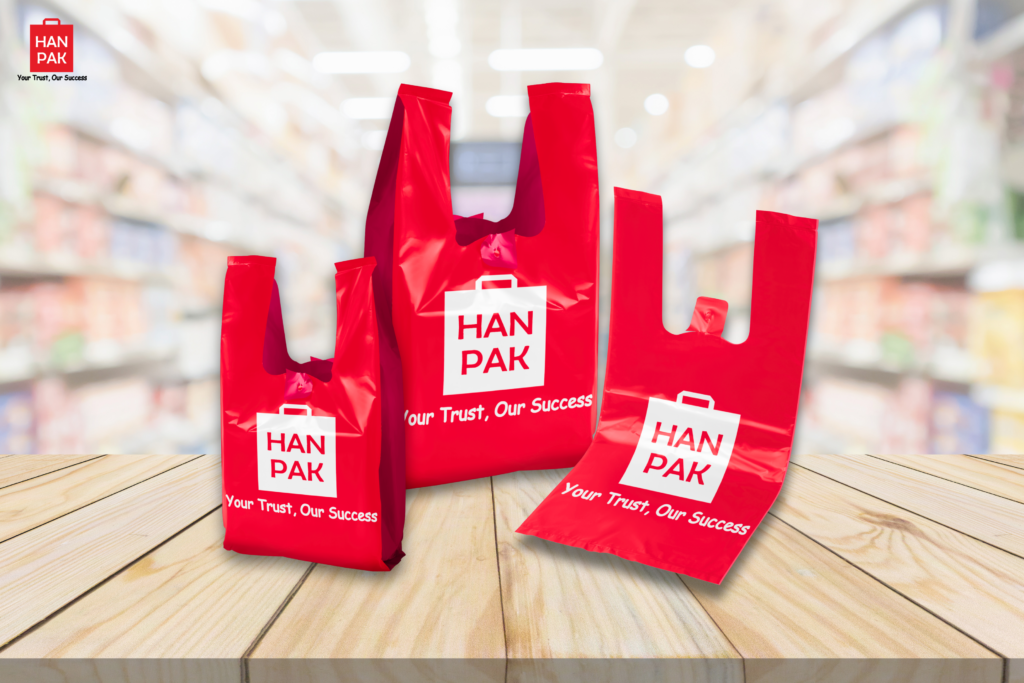
At first glance, T-shirt bags appear to be one of the simplest plastic packaging products. Their structure is familiar, their usage is straightforward, and their specifications seem easy to standardize.
However, behind this seemingly basic design lies a complex balance between strength, usability, cost efficiency, and production control.
For manufacturers and buyers alike, understanding this complexity can lead to better sourcing decisions.
1. Handle strength determines real product performance

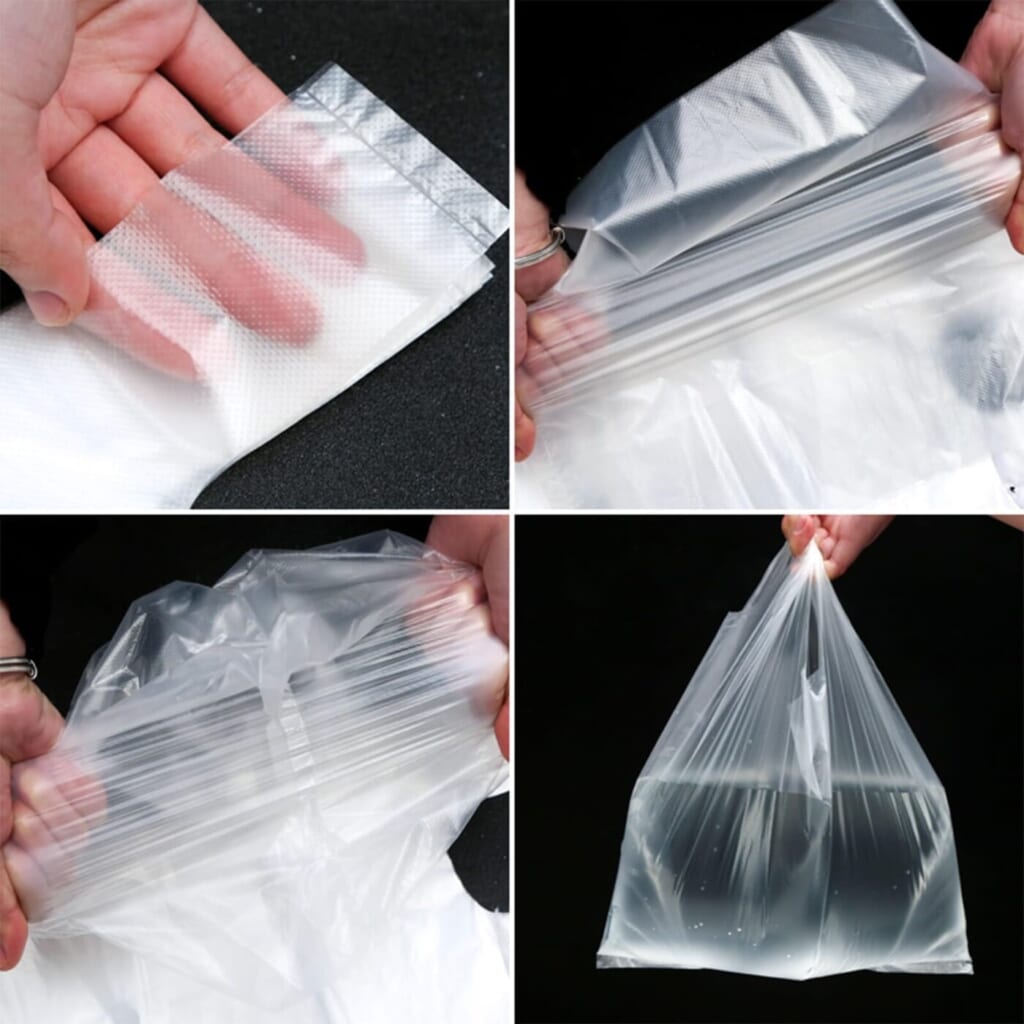
In daily retail operations, T-shirt bags are rarely used under ideal conditions. Customers often overload them with groceries, packaged goods, or even sharp-edged items.
This makes handle durability one of the most critical performance factors. Weak handle zones can lead to sudden tearing, causing product drops and negative customer experiences.
Handle strength depends not only on film thickness but also on:
- Film orientation during extrusion
- Stress distribution around the die-cut area
- Cooling consistency during production
- Resin flexibility
A bag that feels soft and stretchable often performs better than one that feels stiff but brittle.
2. Thickness consistency impacts both cost and trust
Retail chains typically purchase T-shirt bags in large volumes. Even small variations in thickness can affect total consumption and budgeting accuracy.
If bags are thinner than expected, breakage rates may increase. If they are thicker than necessary, buyers may end up paying for excess material.
Reliable suppliers invest in automatic thickness monitoring systems and quality checkpoints to ensure that each batch remains within tolerance.
For buyers, this consistency builds confidence and simplifies long-term procurement planning.
3. Roll usability influences store efficiency
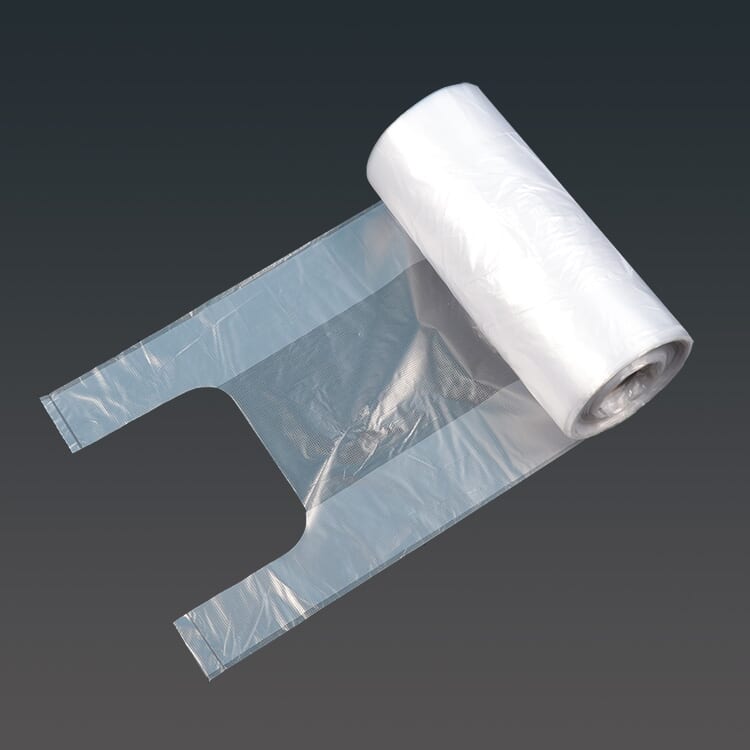
Many T-shirt bags are supplied in rolls for use with dispensers at checkout counters. Poor roll design can slow down operations during peak hours.
Common usability issues include:
- Difficult bag separation
- Uneven perforation tearing
- Core deformation during transport
- Rolls that unwind too tightly or too loosely
Well-engineered rolls allow store staff to work faster and reduce frustration in busy environments.
4. Resin blending shapes the “feel” of the bag
Two T-shirt bags with identical dimensions and thickness may still perform very differently in practice.
This is because resin formulation affects:
- Gloss level
- softness
- noise during handling
- tear resistance
- load flexibility
Retailers sometimes prefer glossy bags for visual appeal, while others prioritize matte finishes for grip.
Understanding these preferences helps suppliers recommend the most suitable material mix.
5. Smart design can reduce total packaging consumption
Optimized T-shirt bag design can lead to lower usage per transaction. Stronger bags mean customers are less likely to double-bag heavy items.
Over time, this can reduce total bag consumption while maintaining customer satisfaction.
From an environmental and cost perspective, performance-driven design often delivers better results than simply reducing thickness.
Final Thoughts
T-shirt bags may look simple, but their performance depends on a combination of material science, production expertise, and real-world usability considerations.
For businesses that rely on large-scale bag consumption, choosing the right manufacturing partner can make a meaningful difference in operational efficiency and customer experience.
For more information about Hanpak’s plastic packaging products and Alibaba shop, please contact us:
Email: info@hanpak.com.vn
Hotline (Mobile/WhatsApp): +84 898 545 893
Our experienced sales team is ready to assist you. Contact us today to place your order and experience the quality and reliability that Hanpak offers.