1. Ice Bags: A Simple Product with Complex Demand Patterns
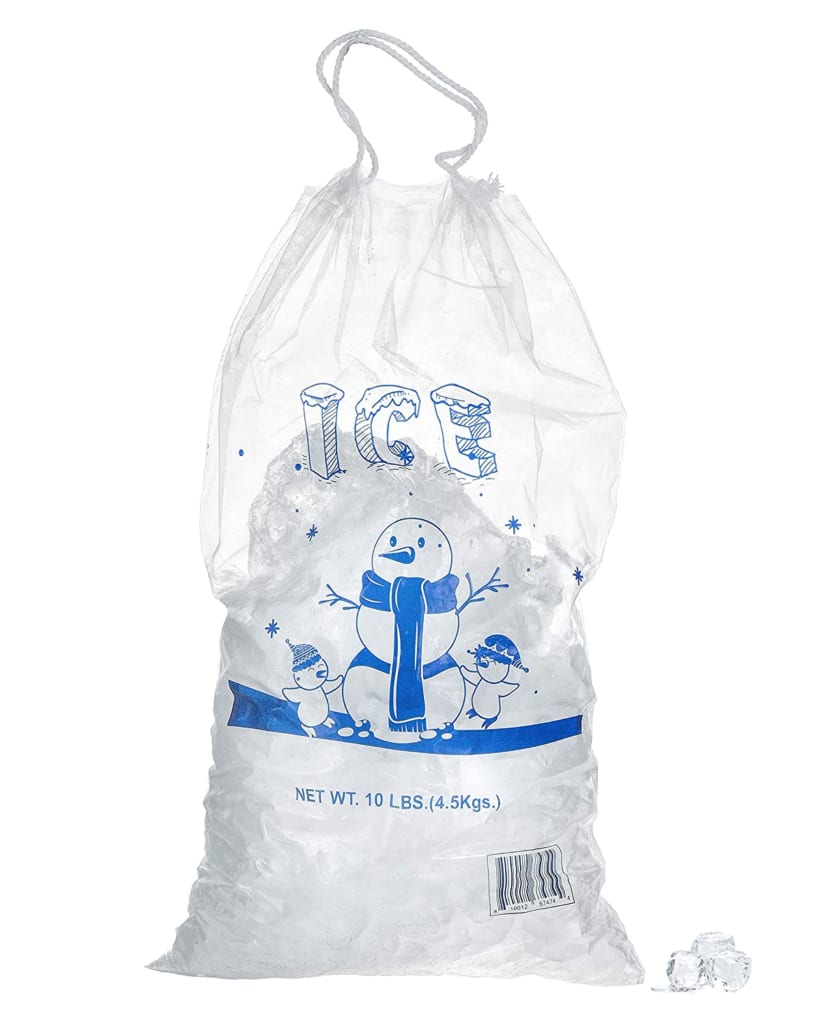
In many procurement teams, ice bags are often considered a low-risk, consumable item with relatively stable demand. However, real market dynamics tell a different story.
In reality, ice bag demand fluctuates significantly depending on seasonality, industry usage, and consumer behavior. Misjudging this “stability” can lead to:
- Excess inventory during low-demand periods
- Supply shortages during peak seasons
- Unexpected increases in logistics costs
Understanding seasonality is therefore critical for effective demand planning.
2. Key Seasonal Factors That Impact Ice Bag Demand
2.1. Weather and Temperature
Temperature is the most direct driver of demand.

- Summer (Peak Season):
Demand surges across industries such as:- Fresh food and seafood logistics
- Beverage distribution
- Cold-chain last-mile delivery
- Outdoor events
- Winter (Low Season):
Demand drops significantly, especially in temperate regions.
👉 In markets like the US and Europe, demand can fluctuate by 30–50% between summer and winter.
2.2. Industry-Specific Demand Patterns
Not all industries behave the same:
- F&B and grocery delivery: Highly seasonal
- Pharmaceutical and healthcare: More stable, but still with spikes (e.g., vaccine distribution)
- E-commerce (perishables): Demand increases during promotional events and holidays
2.3. Holidays and Special Event
Short-term demand spikes often occur during:
- Holiday seasons (Christmas, New Year)
- Summer festivals and outdoor events
- Major sales events (Black Friday, 11.11, etc.)
👉 These “mini peaks” can strain supply chains if not properly anticipated.
3. Risks of Ignoring Seasonality
3.1. Understocking
- Inability to fulfill orders
- Operational disruptions
- Emergency sourcing at higher costs
3.2. Overstocking
- Increased warehousing costs
- Risk of product degradation (especially for low-quality ice bags)
- Cash flow inefficiencies
4. Demand Planning Strategies for Buyers
4.1. Analyze Historical Data
- Track monthly or quarterly consumption trends
- Identify peak and off-peak periods
- Compare across regions and markets
4.2. Segment Forecasts by Industry and Customer Type
Avoid one-size-fits-all forecasting. Instead, segment demand by:
- Industry (F&B, pharma, logistics, etc.)
- Sales channels (B2B vs retail)

4.3. Collaborate Closely with Suppliers
A reliable supplier should support you with:
- Production capacity planning
- Flexible volume adjustments
- Shorter lead times during peak seasons
4.4. Build Strategic Buffer Stock
- Increase inventory before peak seasons
- Reduce stock levels during slow periods
- Apply safety stock models to mitigate risk
4.5. Diversify Your Supplier Base
Relying on a single supplier during peak demand can be risky. Multi-sourcing improves supply resilience.
5. Are Ice Bags Truly a “Stable” Product?
The short answer: Not entirely.
Ice bags typically have:
- A stable baseline demand
- But significant seasonal fluctuations depending on usage and geography
👉 This makes them more complex than they initially appear from a procurement perspective.
6. Conclusion
A clear understanding of seasonality and demand planning enables companies to:
- Optimize procurement costs
- Avoid stock shortages or overstocking
- Improve overall supply chain efficiency
As cold-chain logistics and food delivery continue to grow, ice bags are no longer just a simple consumable—they are a critical component of modern supply chains.
For more information about products made by Hanpak, or for any other plastic packaging solutions, please reach out to us:
- Email: info@hanpak.com.vn
- Hotline (Mobile/WhatsApp): +84 898 545 893
Our friendly team is always ready to support you. Contact us today to place your order and experience the quality, reliability, and convenience of Hanpak’s products!