A Simple Product That Solves Multiple Business Problems

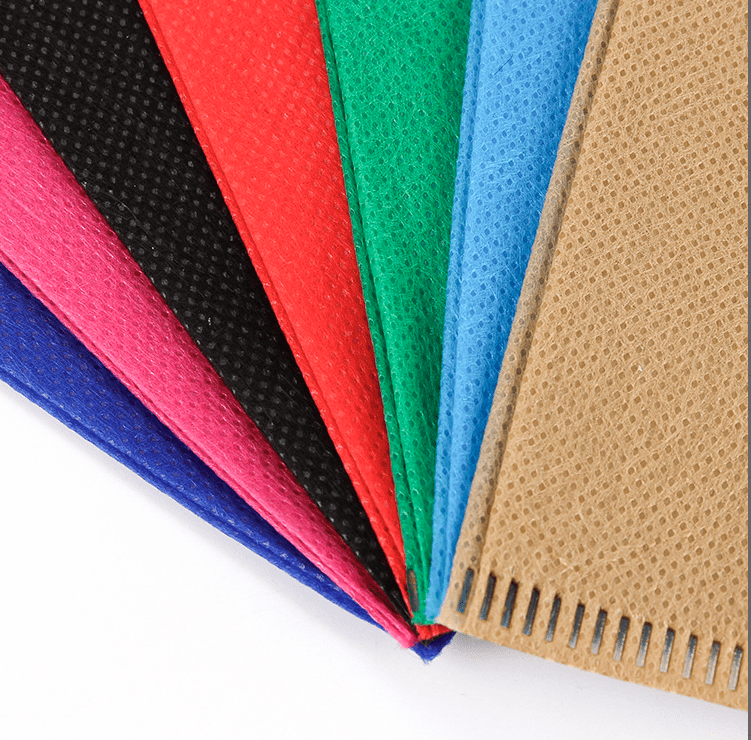

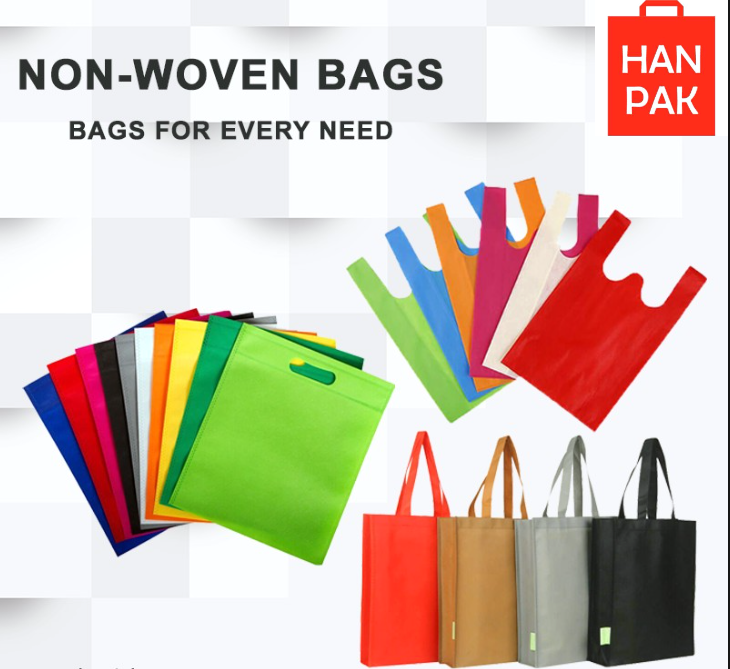
Walk into any modern supermarket, fashion store, or trade show, and you’ll notice something subtle but important: PP non-woven bags are everywhere.
Not because they are trendy – but because they work.
They sit in a unique position between cheap disposable plastic bags and higher-cost fabric options. For many businesses, they deliver exactly what is needed: affordable, durable, and brand-friendly packaging without overcomplicating operations.
What Makes PP Non-Woven Bags Different?
At first glance, they look like fabric. But technically, they are made from polypropylene fibers bonded together, not woven like traditional textiles.
This gives them a few key advantages:
- They are lighter than woven fabrics
- They are cheaper to produce in large volumes
- They can still handle significant weight
In other words, they provide the “look and feel” of a premium bag without the cost structure that usually comes with it.
Where They Create the Most Value

The real strength of PP non-woven bags is not just in the product—but in how they are used.
In supermarkets, they reduce the need for single-use bags while still being affordable enough for mass distribution.
In retail, they double as both packaging and marketing. A well-designed non-woven bag doesn’t get thrown away – it gets reused, meaning your brand keeps moving with the customer.
At events and exhibitions, they become a walking advertisement, carrying not just products but also brand visibility.
The Hidden Cost Advantage Most Buyers Miss
Most buyers compare unit price – but that’s only part of the story.
A PP non-woven bag may cost more than a standard plastic bag upfront, but:
- It is reused multiple times
- It carries heavier loads (fewer failures)
- It enhances brand perception
When you factor in these elements, the cost per use often becomes significantly lower.
This is where experienced buyers gain an edge – they don’t just buy cheaper, they buy smarter.
Not All Non-Woven Bags Are the Same
This is where many sourcing mistakes happen.
Two bags may look identical – but perform very differently.
Key factors that actually matter:
- GSM (material weight): Too low → bag tears easily
- Handle construction: Weak stitching = instant failure
- Lamination: Adds durability and premium appearance
- Printing quality: Directly impacts brand image
Cutting cost in the wrong place can turn a reusable bag into a single-use problem.
How Smart Buyers Optimize Their Orders
Instead of over-specifying or under-specifying, experienced importers usually follow a simple approach:
- Match GSM to real usage (not “just in case”)
- Choose the right handle type based on load
- Use printing strategically (not over-designed)
- Combine multiple sizes/designs in one shipment
This balance helps control cost while still delivering a product that performs well in the market.
Where the Market Is Heading
The demand for PP non-woven bags continues to grow—not because regulations force it, but because businesses see real value:
- Retailers want multi-purpose packaging
- Brands want longer visibility
- Buyers want cost control with better performance
Non-woven bags sit right at that intersection.
Final Thought
PP non-woven bags are not a “premium upgrade” or a “cheap alternative.”
They are a strategic packaging choice.
If used correctly, they can:
- Reduce long-term packaging costs
- Improve customer experience
- Turn every purchase into brand exposure
And in a competitive market, that combination is hard to ignore.
For more information about Hanpak’s plastic packaging products and Alibaba shop, please contact us:
Email: info@hanpak.com.vn
Hotline (Mobile/WhatsApp): +84 898 545 893
Our experienced sales team is ready to assist you. Contact us today to place your order and experience the quality and reliability that Hanpak offers.