

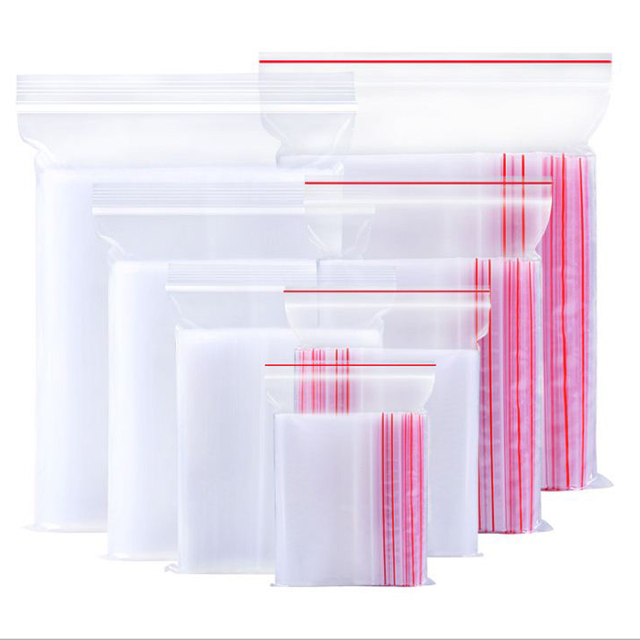
Zipper bags are widely used in food packaging, retail, logistics, and industrial applications due to their convenience, durability, and sealing performance. However, improper storage and handling in warehouses can lead to deformation, contamination, reduced sealing quality, and even material degradation.
Whether you are a distributor, importer, or large-scale user, understanding best practices for warehouse storage and handling can significantly improve product quality, reduce losses, and protect your investment. This guide provides practical, easy-to-follow recommendations for managing zipper bags in bulk storage.
📦 Why Proper Storage Matters for Zipper Bags
Zipper bags are made primarily from polyethylene materials such as LDPE, LLDPE, or HDPE. These plastics are sensitive to environmental factors such as heat, humidity, sunlight, and pressure.
Poor storage conditions may cause:
- Weak or damaged zipper tracks
- Loss of transparency or discoloration
- Reduced sealing strength
- Dust contamination
- Packaging deformation
Maintaining proper storage conditions ensures consistent performance when the bags are used by customers.
🌡️ Recommended Warehouse Environment Conditions
Temperature Control
Ideal storage temperature: 10°C – 30°C (50°F – 86°F)
Avoid placing zipper bags near:
- Direct sunlight
- Heaters or boilers
- Hot machinery
Excessive heat can soften plastic and deform zipper closures.
Humidity Control
Recommended humidity level: below 65%
High humidity may cause:
- Moisture absorption on outer packaging
- Mold risk on cartons
- Slippery surfaces that affect handling safety
Use ventilation systems or dehumidifiers if necessary.
Cleanliness and Dust Control
Zipper bags, especially food-grade products, must be stored in a clean and dry area.
Best practices:
- Keep products on pallets, not directly on the floor
- Cover pallets with stretch film or dust covers
- Maintain regular warehouse cleaning schedules
📐 Proper Stacking and Palletizing Method
Incorrect stacking can deform cartons and damage zipper structures.
Stacking Tips:
- Do not exceed manufacturer’s recommended stacking height
- Distribute weight evenly across pallets
- Avoid leaning or unstable stacks
- Use corner protectors when shrink wrapping
Pallet Placement:
- Keep at least 10 cm off the floor
- Maintain space between walls for air circulation
- Avoid blocking fire exits and walkways
📦 Packaging Protection During Storage
Always keep zipper bags in their original sealed cartons until use or shipment.
Additional protection options:
- Stretch wrapping pallets
- Moisture barrier liners
- Desiccant packs for long-term storage
🚚 Safe Handling Practices
Manual Handling
- Lift cartons properly to avoid crushing
- Avoid throwing or dropping cartons
- Use gloves when handling food-grade products
Forklift Handling
- Use clean forks to prevent contamination
- Avoid puncturing cartons
- Do not tilt pallets excessively
🔄 Inventory Management Best Practices
FIFO System
Use First-In-First-Out (FIFO) to prevent long-term aging of plastic materials.
Labeling
Clearly label cartons with:
- Production date
- Batch number
- Product specification
⏳ Shelf Life of Zipper Bags
Under proper storage conditions, zipper bags typically have a shelf life of 12–24 months.
Extended exposure to sunlight, heat, or pressure may shorten shelf life.
⚠️ Common Storage Mistakes to Avoid
- Storing near chemicals or solvents
- Exposing cartons to rain or water leaks
- Overstacking heavy pallets
- Mixing food-grade and industrial materials in the same zone
✅ Conclusion
Proper storage and handling of zipper bags in warehouses protect product quality, ensure safety compliance, and reduce unnecessary losses. By controlling temperature, humidity, stacking methods, and inventory flow, businesses can maintain consistent performance and maximize the lifespan of packaging materials.
If you source zipper bags in bulk, always request storage recommendations from your manufacturer and implement standardized warehouse procedures.
How to Contact Us
For more information about our Zipper bag made by Hanpak, or for any other plastic packaging solutions, please reach out to us:
- Email: info@hanpak.com.vn
- Hotline (Mobile/WhatsApp): +84 898 545 893
Our friendly team is always ready to support you. Contact us today to place your order and experience the quality, reliability, and convenience of Hanpak’s products!