
Virgin plastic bags are stronger, clearer and more consistent, and they are the only practical choice for most food-contact and clear retail bags. Recycled plastic bags use less new resin and help you meet recycled-content rules, but they are weaker at the same thickness, come in darker or hazier colors, and vary more from lot to lot. For trash bags and non-food shipping, recycled content often works fine. For food, clear display or thin high-strength bags, go virgin.
Here is how we explain the choice to buyers.
What virgin and recycled mean
Virgin resin
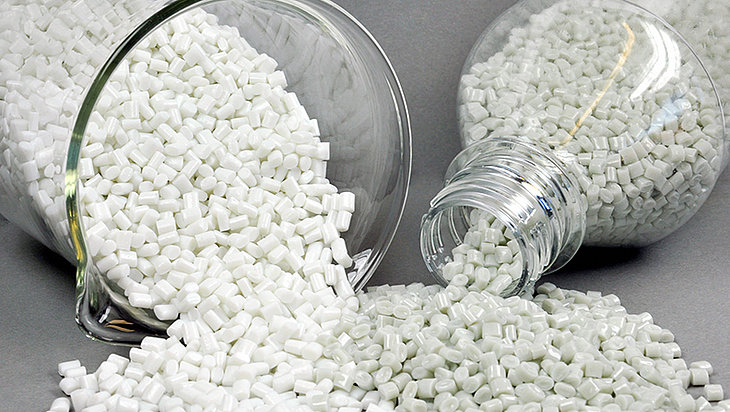
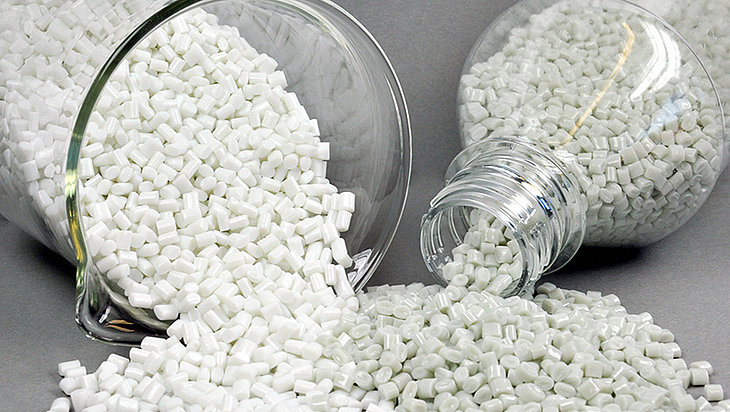
Virgin resin is plastic made directly from petrochemical feedstock (natural gas or crude oil) and never processed into a product before. The pellets are clean, the grade is known, and every bag gets the same melt behavior.
Post-consumer recycled (PCR)
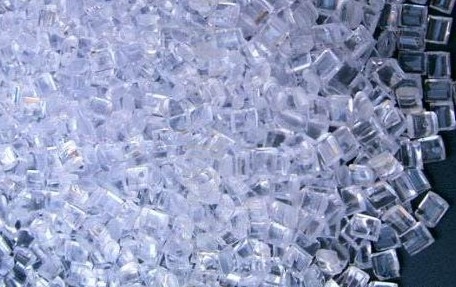
PCR is plastic that was used by a consumer, collected, sorted, washed, ground and turned back into pellets. A milk jug that becomes trash bag film is the classic example. PCR is what most recycled-content laws and retailer targets count.
Post-industrial (pre-consumer) recycled
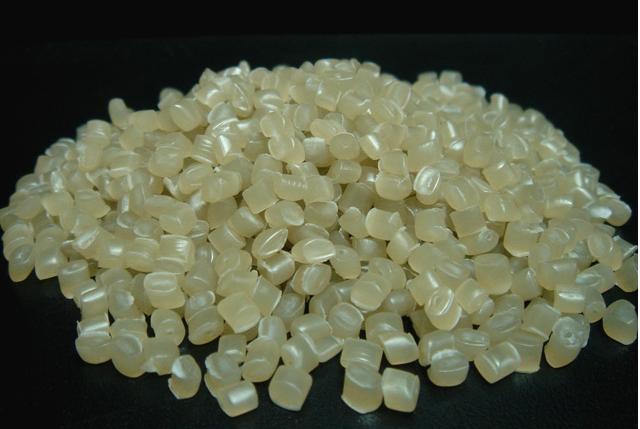
This is scrap from a manufacturing process that never reached a consumer: trim, off-spec rolls, start-up waste. It is usually cleaner than PCR. Be careful with claims, though. Under the US FTC Green Guides (16 CFR 260.13), scrap that is normally reused inside the same factory process does not count as “recycled content”, because it would never have entered the waste stream. Every film plant reuses its own trim. That alone does not make a bag “recycled”.
Virgin vs recycled plastic bags compared
| Factor | Virgin | Recycled content |
|---|---|---|
| Strength at the same thickness | Highest, predictable | Lower; varies with the source and how much is blended in |
| Appearance | Clear or clean, bright colors | Hazy, gray or off-tone; specks and gels possible |
| Color options | Any, including crystal clear and Pantone matches | Mostly black, gray, blue or dark tones |
| Odor | Neutral | Can carry a slight smell from the original use |
| Lot-to-lot consistency | High | Lower; feedstock changes |
| Thin gauge (under 0.5 mil / 13 µm) | Runs well | Gels and specks cause holes and breaks |
| Food contact | Yes, with the right grade | Generally no, unless the recycling process has been reviewed for food use |
| Printing | Sharp, true colors | Colors shift on gray film |
| Recycled-content claims | None | Yes, if the percentage can be documented |
| Price | Moves with oil and resin markets | Not always cheaper; clean PCR can cost as much as virgin |
Strength: why recycled bags need more thickness
Every time plastic is melted and reprocessed, some of its polymer chains get shorter. Recycled film also carries small contaminants: bits of paper, ink, other plastics. Each one is a weak point. The result is a bag that tears and punctures more easily than a virgin bag of the same gauge.
You can make up for it with thickness. A recycled-content trash bag is often specified a step thicker than its virgin equivalent to hit the same real-world strength. That extra resin eats into any price saving, so compare bags on performance, not on mil alone.
Recycled resin works best in thicker LDPE and LLDPE film, like trash bags and liners. It is hardest to use in thin HDPE film such as produce rolls, where a single gel can punch a hole in a 0.4 mil (10 µm) bag.
Food contact: recycled is the hard case
In the US, the FDA reviews recycled plastic for food contact case by case. It looks at the specific recycling process and whether it removes contaminants well enough. Most recycled PE film on the market has not been through that review. For food-contact bags we use virgin resin, and our food-contact bags are FDA-compliant food-contact material (21 CFR 177.1520).
If a supplier offers you “food-grade recycled” film, ask for the documentation that covers the recycling process, not just a resin data sheet.
Sustainability: it depends on what you count
Recycled content keeps plastic out of landfill and cuts the amount of new resin made. That is real. But a recycled bag that is twice as thick, or that splits and gets double-bagged, can end up using more plastic than a thin virgin bag that does the job the first time. The fair comparison is plastic used per job done, not just the source of the pellets.
Rules that push recycled content
Laws in several of our markets now set recycled-content levels. Know which ones apply to you before choosing a resin.
- New Jersey: the state’s recycled content law sets post-consumer content levels for plastic trash bags, tiered by bag thickness and rising over time. Check the NJDEP recycled content page for the current numbers.
- California: SB 1053 (2024) ended the old reusable plastic film carryout bag option. From January 1, 2026 stores may only hand out recycled paper bags at checkout. Trash bags and produce bags are separate cases.
- United Kingdom: the Plastic Packaging Tax applies to plastic packaging with less than 30% recycled plastic by weight, paid by the UK manufacturer or importer.
- European Union: the Packaging and Packaging Waste Regulation (EU) 2025/40 sets minimum recycled content for plastic packaging from 2030, with higher targets for non-food packaging than for contact-sensitive packaging.
- Claims in the US: any “recycled” claim has to follow the FTC Green Guides. State the percentage and whether it is post-consumer.
These rules change often. Treat this list as a starting point and confirm with your own compliance team.
So which one is better?
Choose virgin when
- The bag touches food: produce bags on roll, bread and wicket bags, zipper bags, ice bags.
- The bag must be clear or show your brand in true colors.
- The bag is thin and still has to carry weight.
- Failure is expensive: industrial waste, sharp debris, heavy loads.
Consider recycled content when
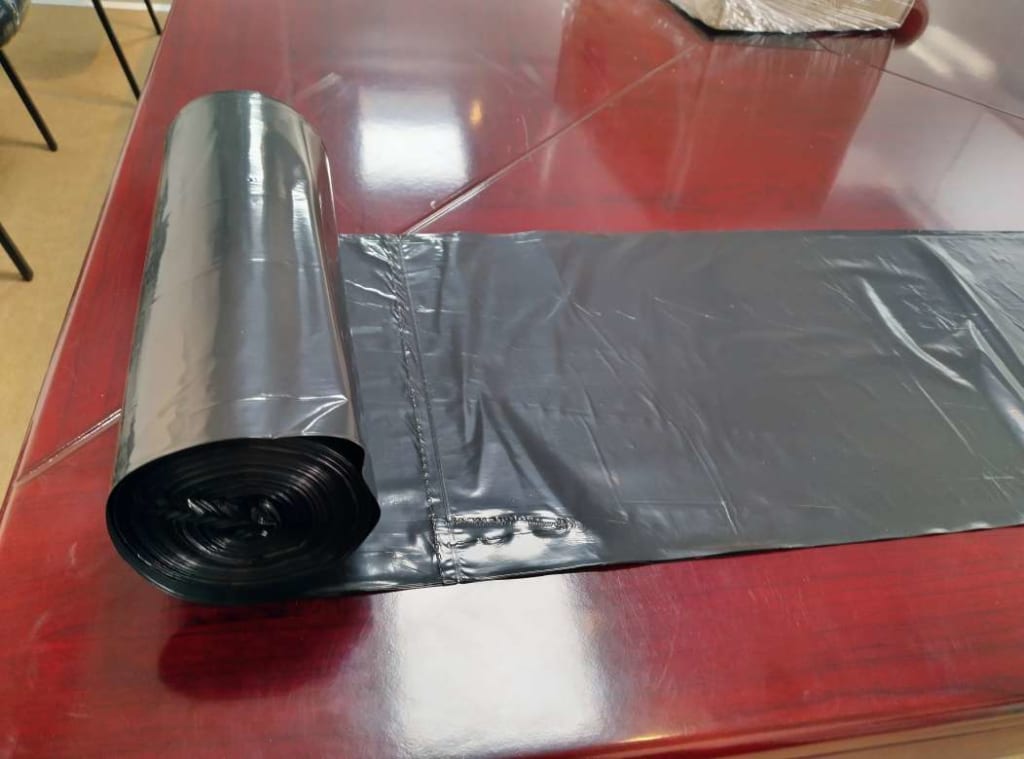
- The bag is a trash bag or liner and color doesn’t matter. Black hides the gray of recycled film.
- Your customer, retailer or state requires a post-consumer percentage.
- The bag is thick enough that small specks won’t cause leaks.
- You can accept some variation in shade between lots.
Where we stand at Hanpak
Our standard bags use virgin resin. It is what our customers in food, retail and janitorial supply ask for, and it lets us hold the same strength from order to order. We also make recycled-content bags on request, mainly trash bags and liners. If you need a specific post-consumer percentage for a law or a retailer spec, tell us at quote stage so we can confirm resin supply and the paperwork you need.
Buying tips for importers
- Ask “recycled what?” Get the percentage, and whether it is post-consumer or post-industrial. They are not the same under most rules.
- Test, don’t trust the gauge. Load a sample with your real waste or product and drop it. A recycled bag that passes on paper can fail in use.
- Expect color drift. If shade matters, approve a color range, not a single swatch.
- Keep food on virgin. Unless the supplier can document a food-contact review for the recycled resin.
- Check the claims on your carton. Printed recycled-content statements have to match what you can prove.
FAQ
Are recycled plastic bags weaker than virgin bags?
At the same thickness, yes, usually. Reprocessing shortens the polymer chains and adds small contaminants. A recycled-content bag can match a virgin bag’s real strength, but it usually needs more thickness to do it.
Is virgin plastic safe for food?
Food-grade virgin polyethylene and polypropylene are standard for food packaging. Our food-contact bags are FDA-compliant food-contact material (21 CFR 177.1520). Safety depends on the grade and additives, so ask your supplier for the regulatory basis.
Are recycled plastic bags cheaper?
Not always. Clean post-consumer pellets can cost as much as virgin resin, and recycled bags often need more thickness to reach the same strength. Compare the cost per bag at equal performance, not the price per ton of resin.
Why are most recycled trash bags black?
Recycled film comes from mixed colors and ends up gray or muddy. Black pigment covers that and gives a uniform look from lot to lot. It is the easiest color to make from recycled feedstock.
Can a factory call its own scrap “recycled”?
In the US, not if the scrap is normally reused in the same process. The FTC Green Guides only count pre-consumer material that would otherwise have gone to waste.
Tell us what the bag will hold, where it will be sold and any recycled-content target you have to meet. We will suggest virgin, a blend, or both side by side, and send free samples. Send us your spec.