

Many people read the triangle of arrows on a plastic item as a promise that it will be recycled. It isn’t one. The number inside the triangle identifies the resin, and there are 7 types of plastic it can point to: PET, HDPE, PVC, LDPE, PP, PS and a catch-all “other” group. Whether the item is actually collected depends on the local scheme, and that changes from one city to the next.
For a packaging buyer the code is more useful as shorthand for performance. The resin decides how much weight a bag carries at a given thickness, how clear it looks, how it copes with heat, and what you can honestly print on the label.

The seven codes at a glance
| Code | Resin | Typical packaging uses | Household collection |
|---|---|---|---|
| 1 | PET | Drinks bottles, food jars, salad trays | Widely collected, especially clear bottles |
| 2 | HDPE | T-shirt bags, trash bags, milk and detergent bottles | Bottles widely; film usually through separate drop-off points |
| 3 | PVC | Some blister packs and cling films | Rarely accepted |
| 4 | LDPE / LLDPE | Zipper bags, mailers, bread bags, stretch film | Recyclable, but often not taken at the kerbside |
| 5 | PP | Food tubs, caps, woven sacks, non-woven bags | Accepted in a growing number of schemes |
| 6 | PS | Foam takeaway boxes, cups, protective foam | Rarely; foam food boxes are restricted in several markets |
| 7 | Other | Polycarbonate bottles, multilayer pouches, PLA cups | Generally not accepted |
Codes 2 and 4: the resins behind most bags
HDPE and LDPE are both polyethylene. The difference is in how tightly the molecular chains pack together.
Looking for a plastic bag manufacturer?
We make HDPE, LDPE and PP bags and films for importers and distributors in the US, Europe and Japan.
T-Shirt Bags · Poly Flat Bags · Stretch Film
Request a quote or WhatsApp +84 898 545 893In HDPE they pack closely, so the film is stiff and strong for its weight. It feels crisp, almost papery, and rustles when you handle it. A thin gauge will still carry a heavy load, which keeps the cost per bag down. That is why HDPE dominates grocery carrier bags and lighter bin liners.

Hanpak supplies a wide range of HDPE film products, including T-shirt bags and produce bags on roll.
LDPE has a looser structure. It is softer and clearer, resists moisture and many chemicals, and stretches a long way before it tears. LLDPE, a close relative, adds toughness and puncture resistance. Bags meant for heavy or sharp waste are usually LLDPE-rich blends, and so is almost all stretch film.


Common LDPE and LLDPE items in our range include zipper bags and stretch film. For food-contact items, the resin complies with FDA 21 CFR 177.1520, and SGS test reports are available for many products. Where a report does not yet exist for your item, SGS testing can be arranged on your order.
Code 5: polypropylene for heat and reuse
PP is light and stiff, with a higher melting point than polyethylene. It copes with hot filling and microwave use, and shrugs off oils and many acids. Spun into fibres it becomes the non-woven fabric used for reusable shopping bags, and woven into tape it makes rice and feed sacks.


PET, PVC and PS: rarely seen in film bags
PET (code 1) is the clear, gas-tight polyester of drinks bottles. It is also spun into polyester fibre for clothing and carpets. Clear PET bottles are among the most widely recycled plastics anywhere.
PVC (code 3) can be rigid or, with plasticisers, soft. It is everywhere in construction, in pipes, window frames and flooring, but less and less common in consumer packaging.
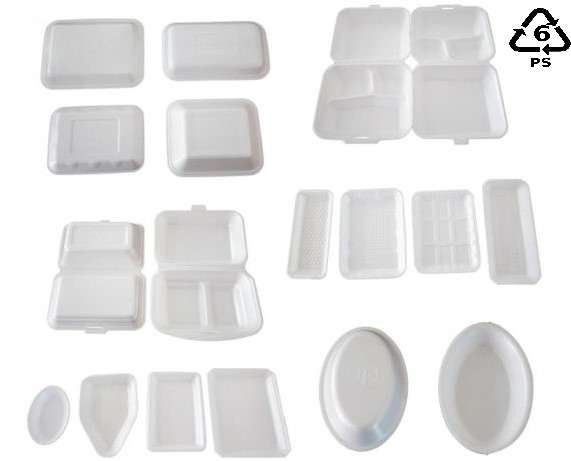
PS (code 6) comes as hard, clear plastic or as expanded foam. Foam is cheap and insulates well. It is also bulky to collect and a weak barrier to moisture, which is why several markets now limit foam food boxes.


Code 7 and the trouble with “other”
Anything outside codes 1 to 6 lands here: polycarbonate, ABS, nylon, acrylic, multilayer laminates, and many bio-based or compostable materials such as PLA. The group is so mixed that recyclers cannot sort it into one stream. A compostable bag marked 7 still needs the right composting facility to break down as intended.


A useful check is to ask what is actually in the blend. “HDPE” or “LDPE” on a quote tells you only part of the story. Many carrier bags combine HDPE with some LLDPE for tear resistance, and some add calcium carbonate filler to lower cost. A little filler is normal, but it adds weight and reduces strength, so two bags quoted at the same micron can perform very differently. If you are comparing offers, we usually suggest asking each supplier to state the resin mix and filler content on the quote.
From the Hanpak team
Frequently Asked Questions
Which of the 7 types of plastic are used for plastic bags?
Mostly polyethylene. HDPE (code 2) makes crisp grocery bags and light liners, and LDPE or LLDPE (code 4) makes softer bags, mailers and heavy-duty liners. Reusable woven and non-woven bags are usually PP (code 5).
How can I tell HDPE film from LDPE by hand?
Scrunch it. HDPE crackles and keeps creases, rather like paper. LDPE is quieter, feels smoother and stretches noticeably before it gives way. The test is rough, so confirm the material on the specification sheet.
Need HDPE or LDPE bags made to spec?
Send us the bag type, size, thickness and quantity, and we will reply with a quote within 48 hours. Request a quote or samples through our contact page, or message the team on WhatsApp. Stock samples are free.
Looking for a plastic bag manufacturer?
We make HDPE, LDPE and PP bags and films for importers and distributors in the US, Europe and Japan.
T-Shirt Bags · Poly Flat Bags · Stretch Film
Request a quote or WhatsApp +84 898 545 893