
When it comes to reliable and efficient packaging, Bottom Seal Block-Head Bags are a popular choice for various industries. However, the effectiveness of these bags depends heavily on the material used in their production. In this article, we’ll explore the three most commonly used materials—HDPE, LDPE, and LLDPE—and help you choose the one best suited for your application.
What Are Bottom Seal Block-Head Bags?
Bottom Seal Block-Head Bags are plastic bags with a strong, uniform seal at the bottom and a reinforced header at the top, allowing them to be grouped together and dispensed quickly. These bags are commonly used in automated or semi-automated packing lines and offer consistent performance in fast-paced environments.
Their block-head design means the bags are stacked together with perforations, usually mounted on a wicket or header card for quick tear-off and smooth handling. Combined with a sturdy bottom seal, these bags are designed for speed, hygiene, and convenience.
Why Material Matters in Block-Head Bags
Choosing the right material is not just about cost—it’s about performance, durability, clarity, and overall efficiency. The material you select affects how the bag will behave during sealing, loading, and shipping. It also determines how the bag will interact with your product, your packing system, and the end user.
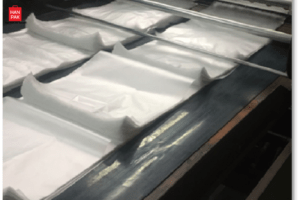
Let’s break down the three most common materials:
1. High-Density Polyethylene (HDPE)
Features:
- Thin but strong
- Crinkly texture
- Good moisture resistance
- Lower clarity than LDPE
Best For:
- Lightweight or moderately heavy products
- Environments where cost-effectiveness is key
- Applications with less risk of puncture
Pros:
- Economical and lightweight
- Excellent chemical and moisture resistance
- Helps reduce shipping weight and cost
Cons:
- Stiffer texture, less flexible
- More prone to tearing under sharp loads
- Limited transparency for product visibility
HDPE is ideal for applications like food service (e.g., bread bags), dry goods, and bulk retail packaging where a basic level of protection is sufficient.
2. Low-Density Polyethylene (LDPE)
Features:
- Soft and flexible
- Smooth texture with high clarity
- Excellent tear resistance and stretchability
Best For:
- Food packaging where product visibility matters
- Retail applications with printed logos or designs
- Products that require more pliability and durability
Pros:
- Very flexible and user-friendly
- Heat sealable and printable
- Great for items with uneven shapes
Cons:
- Slightly higher cost than HDPE
- Less puncture-resistant compared to LLDPE
LDPE is a top choice for packaging fresh produce, snacks, apparel, and consumer electronics—especially when presentation and branding are priorities.
3. Linear Low-Density Polyethylene (LLDPE)
Features:
- High impact and puncture resistance
- Stretchable with excellent toughness
- Slightly cloudy appearance
Best For:
- Heavy-duty packaging needs
- Irregular or sharp-edged items
- Industrial, agricultural, or frozen food packaging
Pros:
- Superior durability under stress
- Balanced strength and flexibility
- Performs well in extreme temperatures
Cons:
- Slightly opaque (less visibility)
- Typically more expensive than HDPE and LDPE
LLDPE is the go-to material for demanding environments where bags must withstand physical stress, such as in the meat processing industry or logistics operations.
Material Comparison Table
| Feature | HDPE | LDPE | LLDPE |
|---|---|---|---|
| Clarity | Low | High | Medium |
| Flexibility | Low | High | Medium-High |
| Puncture Resistance | Moderate | Low-Moderate | High |
| Cost | Low | Medium | Medium |
| Load-Bearing Capacity | Moderate | High | Very High |
| Printability | Low | Excellent | Good |
| Seal Strength | Good | Excellent | Excellent |
Additional Considerations
When choosing the right material for your bottom seal block-head bags, consider:
- Packing Method: Are the bags being packed by hand or machine? LDPE is great for hand-packing, while LLDPE suits automated systems.
- Environmental Conditions: Will the bags face extreme cold or outdoor exposure? LLDPE handles cold and impact better than the others.
- End-Use Requirements: Does your product need product visibility or tamper evidence? LDPE provides clarity, while LLDPE offers security.
- Branding Needs: If you want to print logos or product information on the bags, LDPE is most compatible with printing.
Hanpak Vietnam: Custom Bottom Seal Block-Head Bags for Every Need
At Hanpak Vietnam, we understand that every business has different packaging demands. That’s why we offer custom bottom seal block-head bags in HDPE, LDPE, and LLDPE materials—manufactured to your exact size, thickness, and performance specifications.
Whether you’re packaging food, industrial parts, medical products, or retail items, Hanpak provides:
- Food-safe, industrial-grade, or recyclable film options
- Custom sizing and thickness from 10 to 100 microns
- Multicolor logo printing and branding
- Expert consultation to help you pick the perfect material
Our bottom seal technology ensures strength and stability, while the block-head header allows for efficient dispensing and automation.
Contact Hanpak Vietnam Today to Get Started:
📧 Email: info@hanpak.com.vn
📞 Hotline (Mobile/WhatsApp): +84 898 545 893
Our experienced team is ready to help you choose the right material for your bottom seal block-head bags and streamline your packaging operations with confidence.