

Every day, billions of plastic bags are used worldwide — from carrying groceries at supermarkets, packaging clothes in retail stores, to holding small household items. To most of us, a plastic bag is just a convenient tool: light, disposable, and cheap. But behind this seemingly simple product lies a story about material science, consumer behavior, environmental challenges, and evolving market trends.
1. What Are Plastic Bags Made Of?
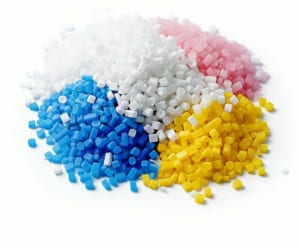
Most conventional plastic bags are produced from polyethylene (PE), which comes in two main types:
-
High-Density Polyethylene (HDPE): Thin, strong, and crinkly – often used in supermarket bags.
-
Low-Density Polyethylene (LDPE): Softer, more flexible – used for trash bags, shopping bags with handles, or zipper bags.
The choice of resin and production process determines a bag’s strength, transparency, flexibility, and weight. For example, a thin HDPE grocery bag can surprisingly carry up to 10 kg, while LDPE zipper bags are better for food storage because of their sealing ability.
2. The Real Function of Plastic Bags
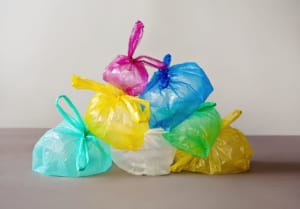
While the primary function is packaging, plastic bags actually serve multiple hidden purposes:
-
Protection: Shield products from dust, dirt, and moisture.
-
Convenience: Lightweight and easy to transport.
-
Branding tool: Many companies print their logos, QR codes, or promotional messages on bags to reinforce brand awareness.
-
Logistics optimization: Using the right thickness and design can reduce shipping volume and cost.
Example: A garment exporter may switch from bulky boxes to strong polybags, saving up to 20% in freight costs.
3. The Environmental Conversation
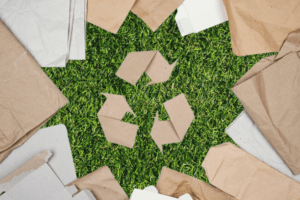

Plastic bags are often criticized as a major source of pollution. They are lightweight and easily carried by wind, leading to littering in cities and oceans. Decomposition takes hundreds of years. This has led to:
-
Government regulations: Many countries in Europe, the U.S., and Asia have restricted or banned single-use bags.
-
Retailer initiatives: Supermarkets encourage reusable or biodegradable bags.
-
Consumer awareness: Shoppers are becoming more conscious, preferring eco-friendly options even at a
-
slightly higher cost.
For more information about Hanpak’s plastic bag products and Alibaba shop, please contact us:
Email: info@hanpak.com.vn
Hotline (Mobile/WhatsApp): +84 898 545 893
Our experienced sales team is ready to assist you. Contact us today to place your order and experience the quality and reliability that Hanpak offers.