
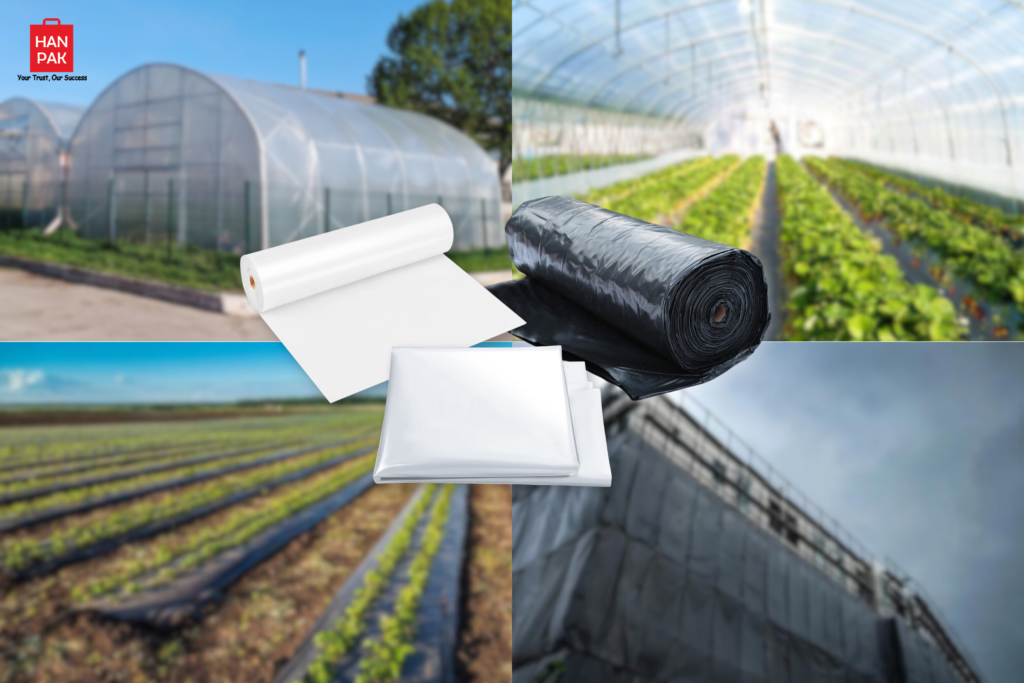
When choosing plastic sheeting for construction, agriculture, packaging, or industrial protection, buyers often ask:
Should I use heavy duty poly sheeting or standard poly sheeting?
Although both are made from polyethylene plastic, their thickness, strength, durability, and applications differ significantly. Selecting the wrong type can lead to product failure, safety risks, and higher costs.
This guide explains the key differences between heavy duty poly sheeting vs standard poly sheeting, helping you choose the right solution for your project.
What Is Poly Sheeting?
Poly sheeting (also called polyethylene sheeting or plastic sheeting) is a flexible plastic film used for:
- Moisture barriers
- Dust and debris protection
- Surface covering
- Industrial packaging
- Agricultural protection
Poly sheeting is typically produced from LDPE or LLDPE and supplied in rolls, sheets, or custom sizes.
The main factor that defines performance is thickness, measured in mil or microns.

Standard Poly Sheeting: Overview
Standard poly sheeting is lightweight plastic film commonly used for temporary protection and light-duty applications.
Typical Thickness
- 1 mil – 4 mil
- Approx. 25 – 100 microns
Key Features
- Lightweight and flexible
- Easy to cut, fold, and install
- Cost-effective
- Suitable for short-term use
- Limited tear and puncture resistance
Common Applications
- Painting and remodeling protection
- Dust barriers
- Temporary floor or furniture covering
- Packaging liners
- Light moisture protection
Standard poly sheeting is ideal when durability is not critical and the project is short-term or low-risk.

Heavy Duty Poly Sheeting: Overview
Heavy duty poly sheeting is thicker, stronger plastic film designed for demanding environments and long-term use.
Typical Thickness
- 6 mil – 20 mil
- Approx. 150 – 500 microns
Key Features
- High tear and puncture resistance
- Excellent moisture and vapor barrier
- Strong load-bearing capacity
- Suitable for outdoor exposure
- Longer lifespan
- Better protection against abrasion and chemicals
Common Applications
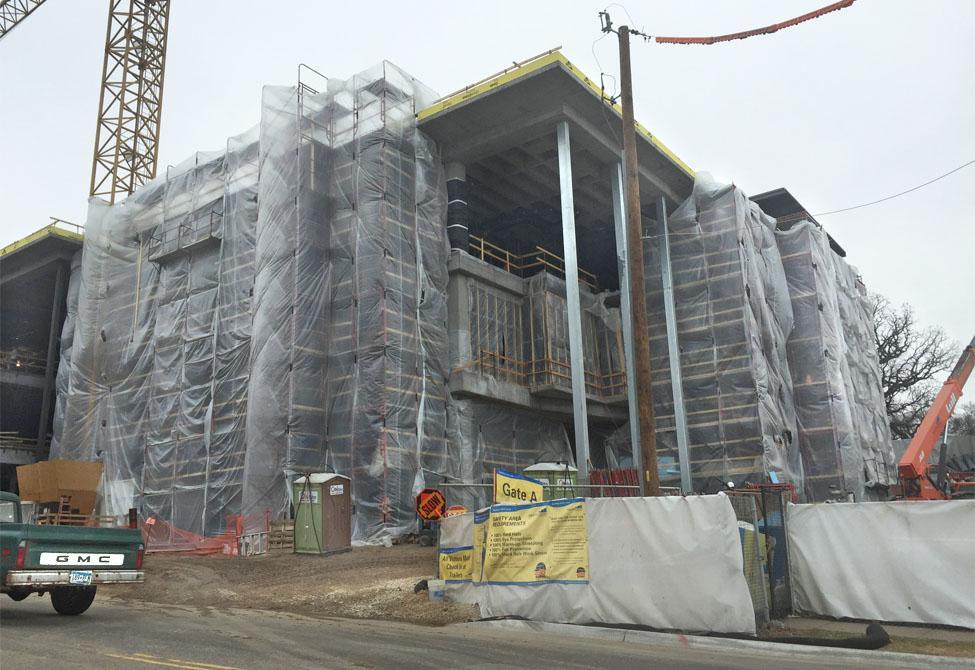
- Construction vapor barriers
- Concrete curing and ground cover
- Containment barriers
- Roofing protection
- Industrial packaging
- Agriculture ground sheets and silage covers
Heavy duty poly sheeting performs well in harsh conditions where reliability and safety are critical.
Heavy Duty vs Standard Poly Sheeting: Comparison Table
| Feature | Standard Poly Sheeting | Heavy Duty Poly Sheeting |
|---|---|---|
| Thickness | 1–4 mil | 6–20 mil |
| Strength | Low to moderate | High |
| Tear Resistance | Limited | Excellent |
| Puncture Resistance | Low | High |
| Durability | Short-term | Long-term |
| Cost | Lower | Higher |
| Flexibility | Very flexible | Slightly stiffer |
| Outdoor Use | Limited | Suitable |
| Typical Use | Light protection | Industrial and construction |
How to Choose the Right Poly Sheeting
When selecting poly sheeting, consider these factors:
1. Application Environment
- Indoor temporary protection → Standard poly sheeting
- Outdoor or heavy industrial use → Heavy duty poly sheeting
2. Required Strength
- Low abrasion, minimal handling → Standard
- Sharp edges, foot traffic, machinery → Heavy duty
3. Exposure Duration
- Short-term projects → Standard
- Long-term or permanent installation → Heavy duty
4. Budget vs Risk
- Lower upfront cost → Standard
- Lower failure risk and replacement cost → Heavy duty
5. Regulatory or Safety Requirements
Some construction projects require minimum thickness for vapor barriers or safety containment.
Is Thicker Always Better?
Not necessarily.
While thicker poly sheeting offers higher durability, it also:
- Costs more
- Weighs more
- Is less flexible
- May be unnecessary for light-duty tasks
Choosing the correct thickness based on real usage saves cost and improves efficiency.
Custom Poly Sheeting Options
Manufacturers can supply poly sheeting with:
- Custom thickness
- Width and roll length
- Clear, black, or colored film
- UV-resistant additives
- Anti-slip or anti-static treatment
- Printed branding
- Virgin or recycled material
Custom solutions allow businesses to optimize performance and cost.
Conclusion
The difference between heavy duty poly sheeting and standard poly sheeting lies mainly in thickness, strength, durability, and application suitability.
- Standard poly sheeting works best for temporary, light-duty protection.
- Heavy duty poly sheeting is ideal for demanding environments, long-term use, and higher safety requirements.
Selecting the right product improves performance, reduces replacement costs, and ensures project reliability.
Looking for a Reliable Poly Sheeting Manufacturer?
If you are sourcing poly sheeting in bulk, custom specifications, or export-grade quality, we can support you with:
✅ Multiple thickness options
✅ Custom sizes and packaging
✅ Virgin or recycled materials
✅ Stable production capacity
✅ Competitive factory pricing
Contact us to receive a quotation and technical consultation.
How to Contact Us
For more information about our Poly sheeting made by Hanpak, or for any other plastic packaging solutions, please reach out to us:
- Email: info@hanpak.com.vn
- Hotline (Mobile/WhatsApp): +84 898 545 893
Our friendly team is always ready to support you. Contact us today to place your order and experience the quality, reliability, and convenience of Hanpak’s products!