
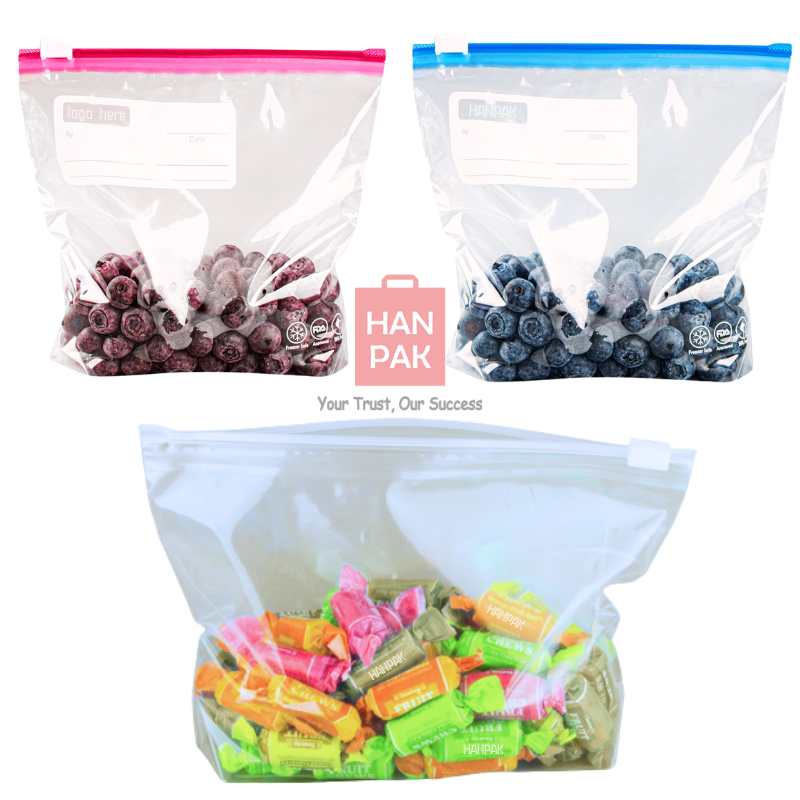
Slider zipper bags are increasingly popular across food packaging, retail, and industrial applications. However, many buyers still ask the same question before switching from press-to-close bags:
Are slider zipper bags really worth the extra cost?
In this article, we’ll break down the cost differences, performance benefits, real-world use cases, and help you decide whether slider zipper bags make financial sense for your business.
What Are Slider Zipper Bags?
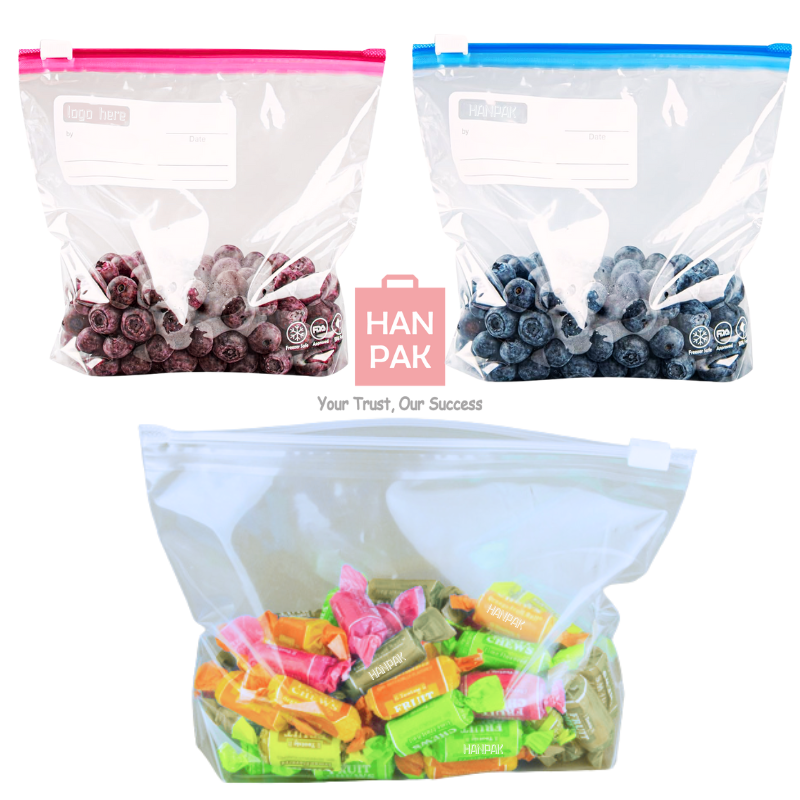
Slider zipper bags feature a built-in plastic slider that moves along the zipper track to open and close the bag smoothly. Unlike traditional press-to-close zippers, slider zippers ensure consistent sealing with minimal effort, even for thicker films.
They are commonly used for:
- Food packaging (snacks, frozen food, dry goods)
- Retail and consumer products
- Hardware, medical, and industrial parts
- Reusable or premium packaging

Why Are Slider Zipper Bags More Expensive?
Compared to standard press-to-close bags, slider zipper bags typically cost 10–25% more, depending on specifications. The higher price comes from:
- Additional slider component
- More complex manufacturing process
- Higher material and assembly costs
- Extra quality control steps
However, upfront cost alone doesn’t tell the full story.
Key Benefits That Justify the Extra Cost
1. Better Sealing Performance
Slider zippers apply even pressure across the entire zipper, reducing the risk of incomplete sealing. This is especially important for:
- Food freshness
- Moisture and odor control
- Contamination prevention
👉 Fewer leaks = fewer complaints and returns.
2. Improved User Experience
Slider zipper bags are:
- Easier to open and close
- More accessible for elderly users or people wearing gloves
- Faster to reseal in repetitive-use environments
For consumer-facing products, this directly improves customer satisfaction and brand perception.
3. Higher Perceived Value
Packaging influences buying decisions. Slider zipper bags:
- Look more premium
- Feel sturdier
- Signal higher-quality products
Many brands successfully use slider zippers to justify higher retail pricing, offsetting the packaging cost increase.
4. Increased Reusability
Slider zipper bags are designed for multiple open-close cycles without losing seal integrity.
This makes them ideal for:
- Bulk food items
- Household storage
- Industrial parts used repeatedly
More reuse = better value per use.
5. Reduced Product Loss & Waste
Poor seals lead to:
- Spoiled food
- Spillage
- Damaged goods during transport
Slider zippers significantly reduce these risks, which can lead to long-term cost savings, especially for high-value products.
When Slider Zipper Bags ARE Worth the Cost
Slider zipper bags make sense when:
- Product freshness or protection is critical
- Packaging impacts brand positioning
- End users open and reseal the bag frequently
- Product value is higher than packaging cost
- Customer convenience is a priority
Common industries that benefit most:
- Food & beverage
- Nutraceuticals
- Medical supplies
- Premium retail goods
- Hardware & industrial components
When Press-to-Close Bags May Be Enough
Slider zippers may NOT be necessary if:
- The product is single-use
- Cost sensitivity is extremely high
- Packaging is not consumer-facing
- The bag is rarely resealed
In these cases, traditional zipper bags can remain a cost-effective option.
Cost vs Value: A Smarter Way to Decide
Instead of asking “Which bag is cheaper?”, ask:
- Will this packaging reduce product loss?
- Does it enhance the user experience?
- Can it help justify a higher selling price?
- Will it reduce complaints or returns?
If the answer is yes, slider zipper bags often deliver better ROI, despite higher unit costs.
For more information about our Zipper bag made by Hanpak, or for any other plastic packaging solutions, please reach out to us:
- Email: info@hanpak.com.vn
- Hotline (Mobile/WhatsApp): +84 898 545 893
Our friendly team is always ready to support you. Contact us today to place your order and experience the quality, reliability, and convenience of Hanpak’s products!