
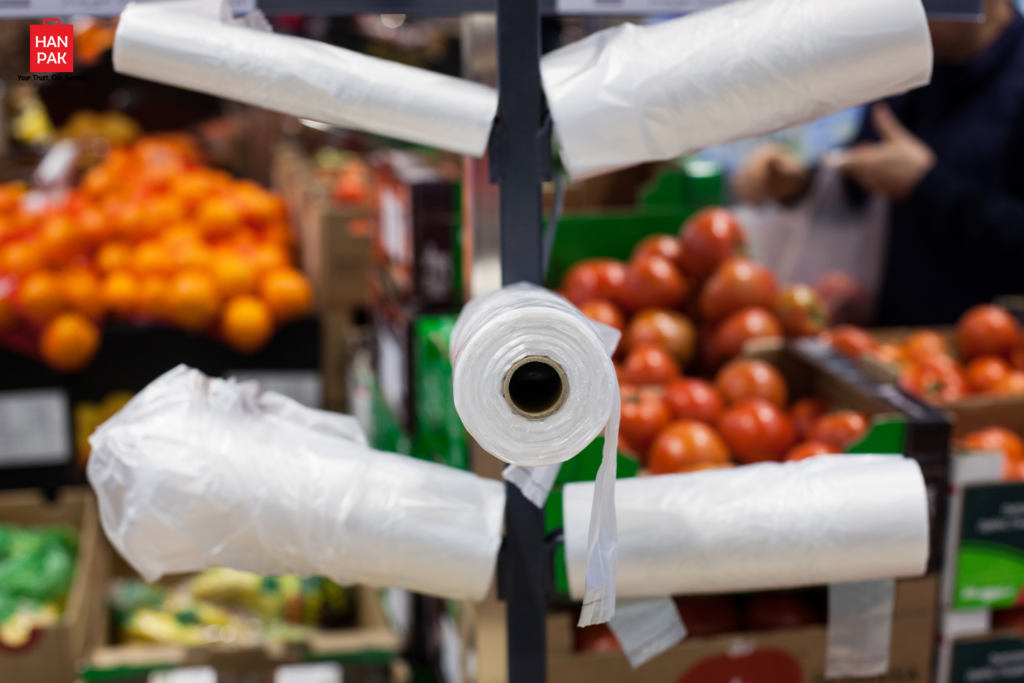
Plastic waste reduction has become a top priority for supermarkets worldwide. While produce bags on roll are essential for hygiene and convenience, they are also one of the most frequently used single-use plastic items in grocery stores.
The good news? Retailers can significantly reduce plastic waste without eliminating produce bags altogether. This guide explains practical, cost-effective strategies supermarkets can implement immediately.
Why Produce Bags on Roll Contribute to Plastic Waste
Produce bags are used daily for fruits, vegetables, bakery items, and bulk foods. The main causes of waste include:
- Overly thin bags that tear easily
- Customers using multiple bags unnecessarily
- Oversized bags for small produce items
- Non-recyclable or low-quality materials
- Inefficient roll dispensing systems
When multiplied across hundreds of customers per day, even small inefficiencies create tons of annual plastic waste.
1. Switch to Thinner but Stronger HDPE Film
Many supermarkets assume thicker bags mean better durability. However, high-density polyethylene (HDPE) with optimized resin blends can maintain strength at lower thickness levels.
Benefits:
- Reduced plastic consumption per bag
- Lower raw material costs
- Improved sustainability metrics
By optimizing film thickness (for example 8–12 microns depending on application), retailers can cut plastic usage by up to 15–25%.
2. Optimize Bag Size for Actual Usage
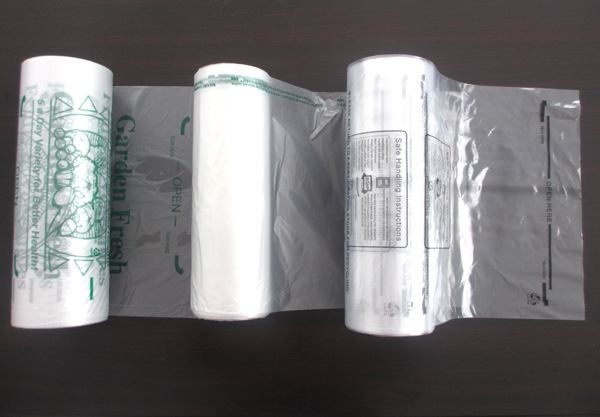
Oversized produce bags are one of the biggest hidden waste factors.
Smart solution:
- Offer smaller bags for light produce (garlic, lemons, herbs)
- Standard-size bags for common fruits & vegetables
- Larger bags only where necessary
Right-sizing reduces excess plastic while maintaining customer convenience.
3. Upgrade to High-Quality Perforation
Poor perforation causes:
- Accidental tearing
- Multiple bags pulled at once
- Customer frustration
Precision perforation ensures clean, single-bag dispensing, reducing unnecessary waste.=
4. Introduce Recyclable or Recycled Content Bags
Modern produce bags on roll can include:
- Post-industrial recycled (PIR) content
- Recyclable HDPE material
- Store drop-off recycling compatibility
Clear labeling encourages customers to recycle properly.

5. Improve Dispenser Placement & Signage
Behavioral design significantly impacts plastic use.
Effective strategies:
- Place rolls strategically to prevent double pulling
- Add signage encouraging responsible use
- Display messaging like “Please use only what you need”
Small nudges can reduce consumption by 5–10%.
6. Encourage Reusable Alternatives (Without Removing Rolls)
Instead of removing produce bags entirely (which can frustrate customers), supermarkets can:
- Sell reusable mesh produce bags
- Offer loyalty incentives for reusable usage
- Position reusable options next to bag rolls
This hybrid approach balances sustainability with convenience.
7. Track Plastic Usage Per Store
Data-driven retailers reduce waste faster.
Monitor:
- Bags used per day
- Plastic weight per month
- Waste reduction after changes
Tracking allows supermarkets to measure ROI from sustainability initiatives.
Cost vs Sustainability: Can You Reduce Waste Without Raising Costs?
Yes.
By combining:
- Optimized film thickness
- Correct bag sizing
- High-quality manufacturing
- Smarter customer behavior
Supermarkets can reduce plastic usage while maintaining or even lowering total packaging costs.
Sustainability does not have to mean higher expenses-it often means higher efficiency.
Long-Term Strategy: Partner with the Right Manufacturer
Reducing plastic waste is easier when working with a supplier who offers:
- Customized thickness options
- PIR material integration
- Precise perforation control
- Consistent roll quality
A reliable manufacturer helps retailers meet ESG goals while maintaining operational efficiency.
Conclusion
Produce bags on roll are not the enemy of sustainability-inefficient design and poor optimization are.
By upgrading materials, optimizing sizes, improving perforation, and encouraging smarter usage, supermarkets can significantly reduce plastic waste while maintaining hygiene and customer convenience.
Sustainability in retail is about smarter packaging, not just less packaging.
For more information about our produce bags on roll made by Hanpak, or for any other plastic packaging solutions, please reach out to us:
- Email: info@hanpak.com.vn
- Hotline (Mobile/WhatsApp): +84 898 545 893
Our friendly team is always ready to support you. Contact us today to place your order and experience the quality, reliability, and convenience of Hanpak’s products!