
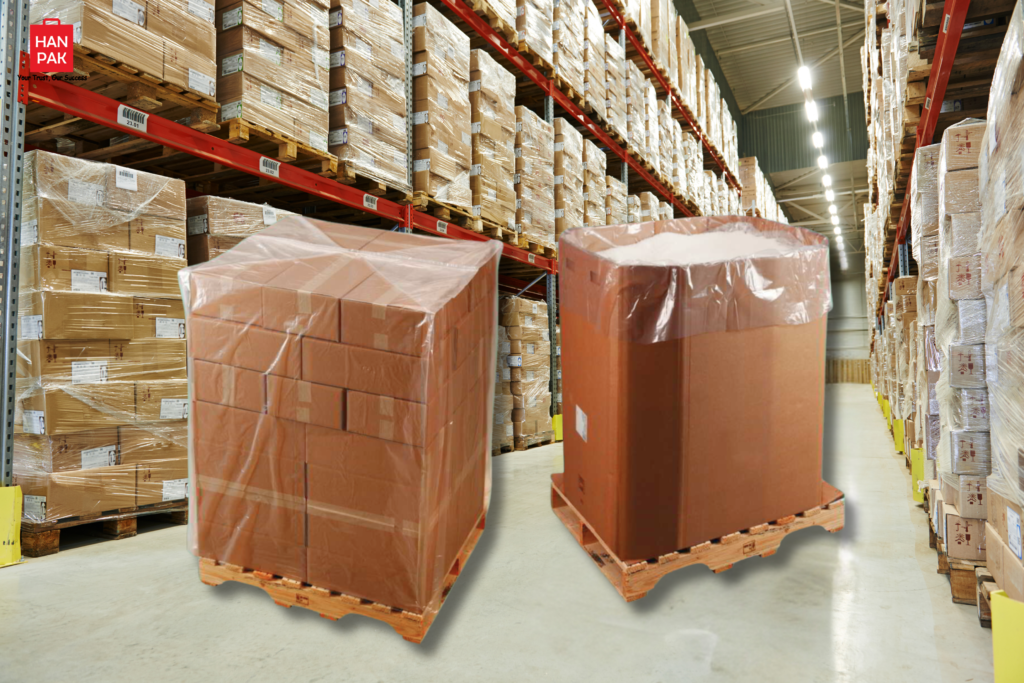
In today’s tight-margin logistics environment, many businesses focus heavily on stretch film optimization — but overlook another quiet cost driver: pallet covers.
When selected and specified correctly, pallet covers can reduce product damage, improve warehouse efficiency, and lower total packaging costs. However, when chosen poorly, they become just another consumable expense.
This guide breaks down practical, real-world strategies that distributors, importers, and warehouse managers can use to maximize value from pallet covers in 2026 and beyond.
Why Pallet Covers Matter More Than Ever
Supply chains are under pressure from:
- Rising freight costs
- Higher labor expenses
- Increased damage claims
- Stricter retailer requirements
In this environment, pallet covers are no longer just dust protection — they are part of a broader risk-control and cost-management strategy.
Companies that treat pallet covers as a commodity often miss opportunities for measurable savings.
Hidden Costs of Using the Wrong Covers
Many buyers select pallet covers based only on price per piece. This approach can create several hidden costs:
- Over-spec (too thick → wasted resin)
- Under-spec (too thin → product damage)
- Poor sizing (excess material waste)
- Inefficient packaging format (slower operations)
Over time, these small inefficiencies add up — especially for high-volume warehouses.
6 Smart Ways to Reduce Costs with Pallet Covers
1. Right-Size the Thickness (Don’t Overbuy)
One of the most common mistakes is specifying thickness based on habit rather than actual load requirements.
Typical guideline:
- Light dust protection: 0.4–0.6 mil
- General warehouse use: 0.7–1.0 mil
- Heavy-duty outdoor use: 1.25+ mil
Many operations can safely downgrade thickness after proper testing — generating immediate savings.
✅ Pro tip: Run a controlled trial before standardizing.
2. Optimize Cover Dimensions
Oversized pallet covers waste material on every single pallet.
Instead of using one “universal” size, high-performing distributors often:
- Segment by pallet height ranges
- Match cover width to load footprint
- Standardize for key SKUs only
Even a 5–8% material reduction per cover becomes significant at scale.
3. Choose the Right Material Structure


Not all pallet covers perform the same under real warehouse conditions.
HDPE pallet covers
- More cost-efficient
- Stiffer feel
- Good for dust protection
- Best for high-volume indoor use
LDPE pallet covers
- More flexible
- Better puncture resistance
- Handles sharp corners better
- Ideal for heavier loads
Matching resin type to application prevents overpaying for unnecessary performance.
4. Improve Packaging Format for Faster Handling
Many warehouses lose time simply because pallet covers are poorly packaged.
High-efficiency operations prefer:
- Perforated rolls
- Easy-tear dispensing
- Compact coreless rolls
- Clear size labeling on cartons
Faster handling reduces labor cost — which often outweighs small differences in bag price.
5. Consider Pre-Shrunk or Gusseted Designs

If your customers ship irregular or tall loads, standard flat pallet covers may create excess slack.
Gusseted pallet covers can:
- Fit tall loads better
- Reduce film bunching
- Improve load appearance
- Reduce need for rework
This is especially valuable for exporters and retail distribution centers.
6. Work with Suppliers Who Optimize — Not Just Quote
In competitive B2B packaging, the best suppliers don’t just send prices — they help optimize specs.
When evaluating pallet cover suppliers, look for partners who:
- Suggest thickness trials
- Recommend size adjustments
- Understand your end-use
- Offer packaging customization
For distributors (especially in the U.S. market), this consultative approach creates long-term margin advantages.
Material Selection: HDPE vs. LDPE
Choosing between HDPE and LDPE pallet covers depends heavily on your customer base.
| Application | Recommended Material |
|---|---|
| High-volume warehouse | HDPE |
| Food & beverage pallet tops | HDPE |
| Heavy industrial loads | LDPE |
| Sharp-edged cartons | LDPE |
| Outdoor temporary storage | LDPE |
If your portfolio serves mixed industries, offering both options can expand your market reach.
Sizing Strategy That Prevents Waste
Professional buyers increasingly use a tiered sizing strategy instead of one-size-fits-all.
Example approach:
- Size A: Standard 48″ pallets
- Size B: Medium-height loads
- Size C: Tall or export loads
Benefits include:
- Lower resin consumption
- Better pallet appearance
- Fewer customer complaints
- Improved container utilization
For distributors, this also creates upselling opportunities across customer segments.
Final Takeaway
In 2026’s cost-sensitive logistics environment, pallet covers are no longer just protective accessories — they are leverage points for real savings.
Companies that optimize thickness, sizing, material, and packaging format consistently achieve:
- Lower total packaging cost
- Better load protection
- Faster warehouse handling
- Higher customer satisfaction
If you are supplying pallet covers to demanding markets, the winners will not be those with the cheapest price per piece — but those who deliver the best cost-per-performance balance.
For more information about Hanpak’s plastic packaging products and Alibaba shop, please contact us:
Email: info@hanpak.com.vn
Hotline (Mobile/WhatsApp): +84 898 545 893
Our experienced sales team is ready to assist you. Contact us today to place your order and experience the quality and reliability that Hanpak offers.