

A PP non woven bag is widely used in supermarkets, retail stores, trade shows, and promotional campaigns across the United States. But one of the most common questions buyers and consumers ask is:
How many times can a PP non woven bag actually be reused?
The answer depends on material quality, GSM thickness, stitching method, and usage conditions. In this guide, we’ll break down the real durability of PP non woven bags and what affects their lifespan.
What Is a PP Non Woven Bag?
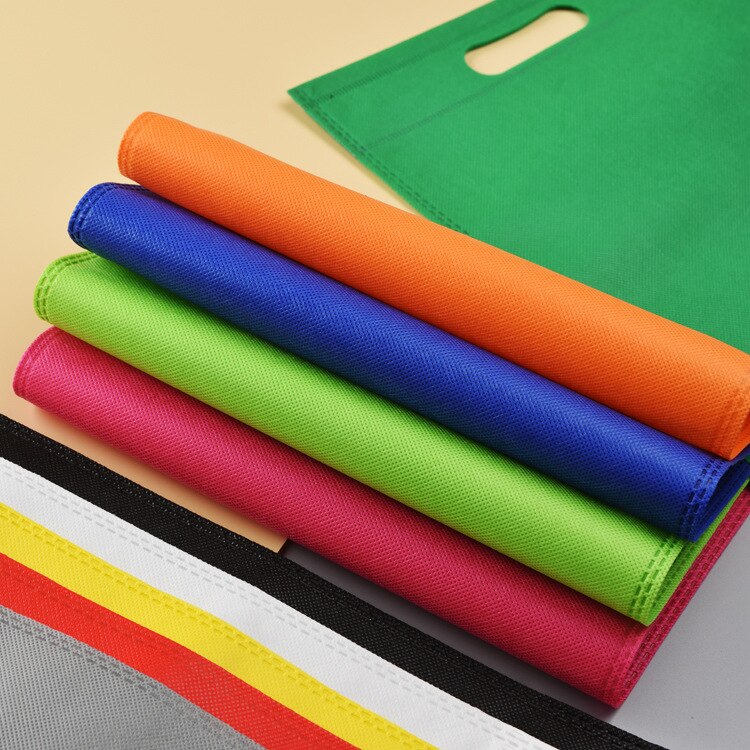
A PP non woven bag is made from polypropylene fibers bonded together through heat and pressure instead of traditional weaving. The result is a lightweight yet durable fabric commonly used for reusable shopping bags.
Key characteristics:
- Reusable
- Water-resistant
- Tear-resistant
- Cost-effective
- Custom printable
Because of these features, PP non woven bags are considered a practical alternative to single-use plastic bags.
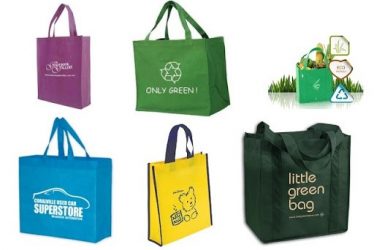
How Many Times Can a PP Non Woven Bag Be Reused?
On average, a standard PP non woven bag can be reused:
👉 50 to 100 times under normal grocery use
👉 100+ times for higher GSM and reinforced handle versions
However, durability depends heavily on the following factors:
1. GSM Thickness (Material Weight)
GSM (grams per square meter) directly impacts strength.
Typical durability by GSM:
- 60–70 GSM → 30–50 uses (lightweight promotional use)
- 80–90 GSM → 50–100 uses (standard grocery shopping)
- 100+ GSM → 100+ uses (heavy-duty retail use)
Higher GSM PP non woven bags provide better load capacity and longer lifespan.
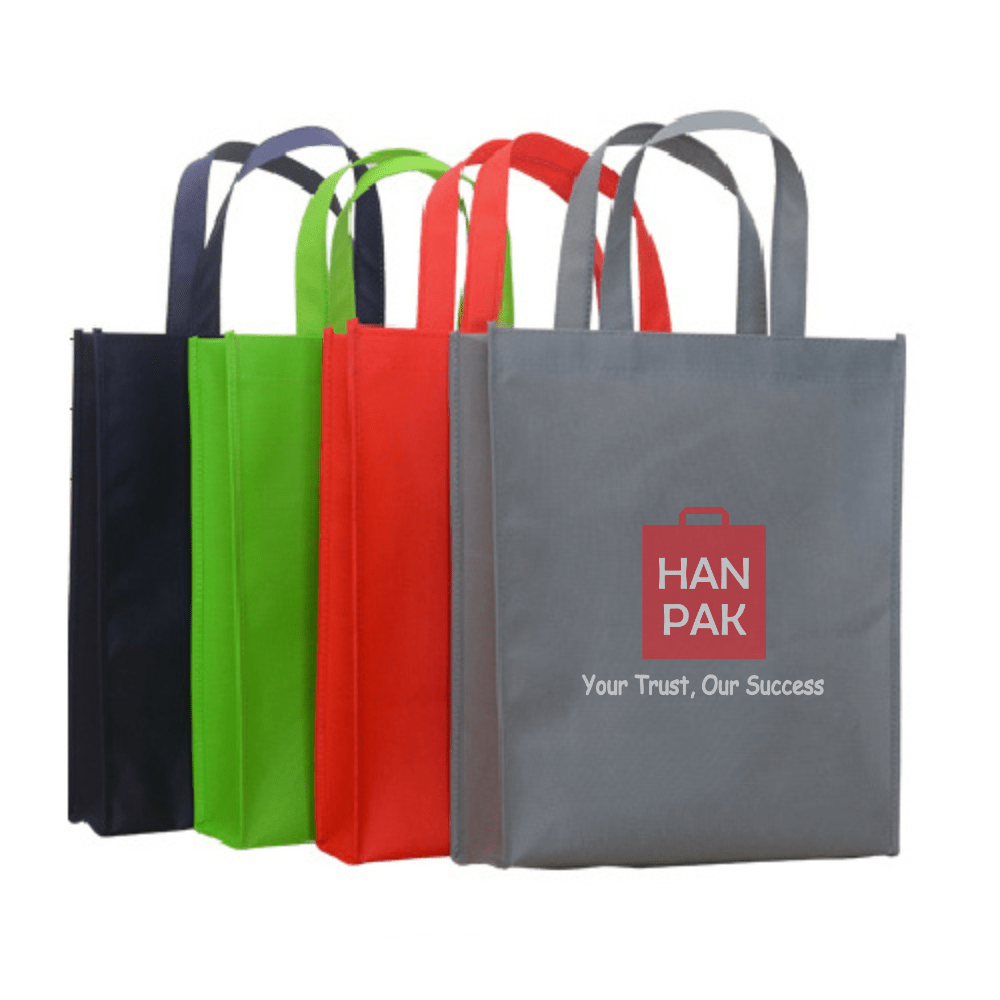
2. Handle Construction
The handles are usually the first failure point.
There are two common types:
- Heat-sealed handles
- Stitched (sewn) handles
Stitched handles significantly increase the number of reuse cycles.
For heavy grocery loads (15–20 lbs), reinforced stitching is recommended.
3. Lamination
Some PP non woven bags are laminated with a thin BOPP film for:
- Glossy finish
- Better printing quality
- Extra moisture resistance
Laminated PP non woven bags typically last longer because the surface layer adds structural support.
4. Weight Load per Use
The lifespan of a PP non woven bag also depends on weight stress.
Typical load capacity:
- Standard 80 GSM bag → 10–15 lbs
- Reinforced 100 GSM bag → 20+ lbs
Consistently overloading the bag reduces total reuse cycles.
5. Usage Conditions
Environmental factors matter:
- Frequent folding weakens fibers over time
- High heat exposure can degrade polypropylene
- Machine washing shortens lifespan
Under normal household grocery use, a quality PP non woven bag can easily last several months to over a year.
Environmental Perspective: Why Reuse Count Matters
Studies on reusable shopping bags suggest that a bag must be reused multiple times to offset the environmental impact of production.
Because a PP non woven bag can typically be reused 50+ times, it significantly reduces dependence on single-use plastic bags.
The higher the reuse count, the lower the environmental footprint per trip.
How to Extend the Lifespan of a PP Non Woven Bag
To maximize reuse cycles:
✔ Avoid overloading
✔ Store in a cool, dry place
✔ Do not machine wash
✔ Choose higher GSM for heavy-duty use
✔ Select stitched handle construction
Retailers sourcing PP non woven bags should balance cost with durability to ensure customer satisfaction.
Are PP Non Woven Bags Better Than Plastic Bags?
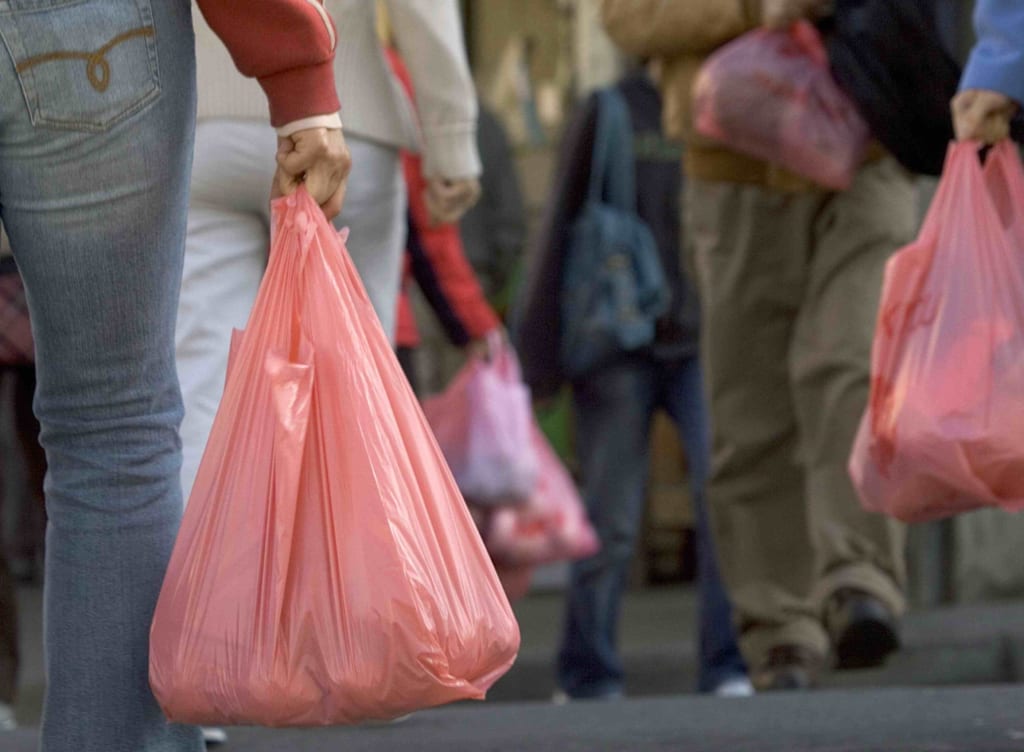
Compared to single-use plastic bags (which are designed for one-time use), a PP non woven bag can replace dozens of disposable bags over its lifetime.
For retailers, this means:
- Stronger brand visibility
- Lower long-term environmental impact
- Increased customer perception of sustainability
Final Answer: How Many Times Can a PP Non Woven Bag Be Reused?
A standard PP non woven bag can be reused 50–100 times, depending on GSM, handle reinforcement, and load weight.
Higher-quality, reinforced versions can exceed 100 uses under normal grocery conditions.
Choosing the right specification ensures both durability and cost efficiency.