
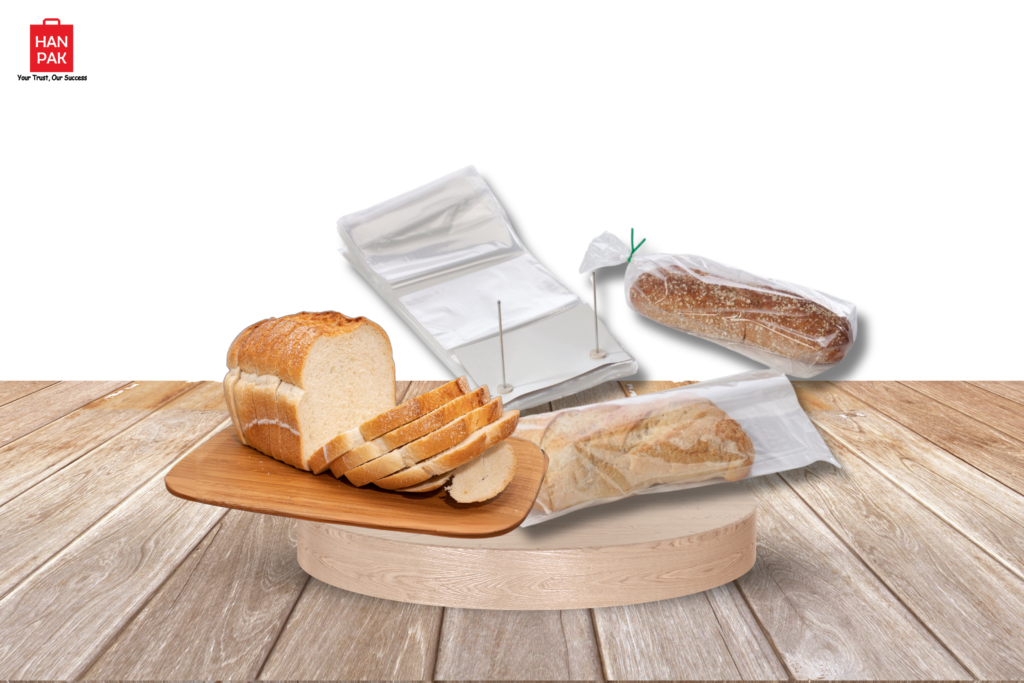
When sourcing poly wicket bags for automated packaging lines, many buyers focus mainly on size and price. However, Technical Data Sheet (TDS) and material specifications play a critical role in determining performance, consistency, and machine compatibility.
This article explains what TDS is, key material specs to check, and how to use TDS to choose the right poly wicket bags for your application.
What Is TDS in Poly Wicket Bags?
A Technical Data Sheet (TDS) is a document that provides detailed technical information about the material and performance characteristics of a product.
For poly wicket bags, the TDS helps buyers:
- Verify material quality
- Ensure compatibility with automatic packing machines
- Compare different suppliers objectively
- Reduce risks of bag breakage, sealing failure, or downtime
In short, TDS is not optional for industrial and food packaging—it is a quality assurance tool.
Common Materials Used in Poly Wicket Bags
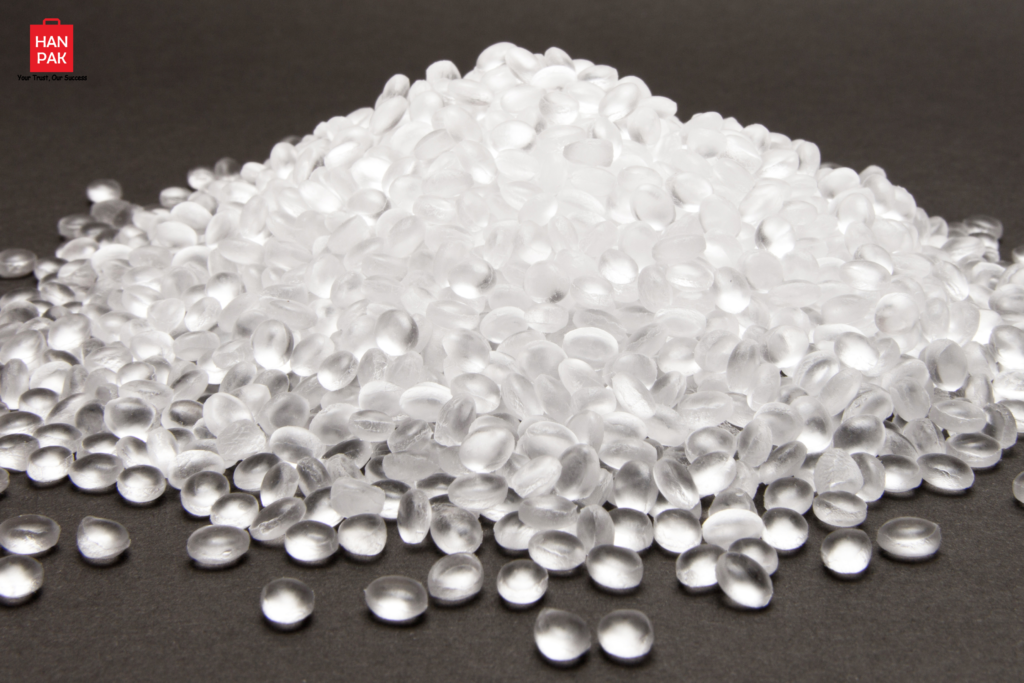
Poly wicket bags are typically made from polyethylene materials, each offering different properties.
1. LDPE (Low-Density Polyethylene)
- Soft and flexible
- High clarity
- Good sealing performance
- Ideal for bakery and food packaging
2. LLDPE (Linear Low-Density Polyethylene)
- Higher tensile strength
- Better puncture and tear resistance
- Excellent for high-speed automation
3. HDPE (High-Density Polyethylene)
- Stiffer material
- Lower transparency
- Cost-effective for lightweight products
👉 Most high-quality poly wicket bags use LLDPE or LDPE blends to balance strength, clarity, and machinability.
Key Material Specifications in TDS for Poly Wicket Bags
When reviewing a TDS, buyers should pay close attention to the following parameters:
1. Thickness (Micron / Mil)
- Determines bag strength and rigidity
- Affects machine feeding and opening
- Typical range: 20–60 microns
💡 Thinner does not always mean cheaper—incorrect thickness can cause jams or tearing.
2. Density (g/cm³)
- Indicates material stiffness and strength
- LDPE: ~0.915–0.930
- LLDPE: ~0.918–0.939
- HDPE: ≥0.940
Higher density generally means better load-bearing capability, but less flexibility.
3. Melt Flow Index (MFI)
- Measures how easily the material flows during processing
- Impacts film consistency and seal quality
For poly wicket bags:
- Low MFI → stronger film, better tear resistance
- High MFI → easier processing, but lower strength
👉 Many automated applications require low MFI materials for stability and durability.

4. Tensile Strength & Elongation
- Tensile strength shows how much force the bag can withstand
- Elongation indicates stretchability before breaking
These values are critical for:
- High-speed packaging
- Products with sharp edges
- Heavy or irregular contents
5. Seal Strength
- Determines how well the bag seals under heat
- Directly affects product safety and shelf life
Poor seal strength often leads to leakage or product rejection, especially in food packaging.

6. Haze & Clarity (Optional)
- Important for retail-facing products
- Lower haze = higher transparency
Common in bakery, fresh food, and consumer goods packaging.

Why TDS Matters for Automated Packaging Lines
Poly wicket bags are commonly used on automatic and semi-automatic machines. Without proper material specs:
- Bags may not open properly
- Film may tear during loading
- Wicket holes may deform
- Machines may stop frequently
A reliable TDS ensures:
Lower long-term operating cost
- Stable feeding
- Consistent sealing
- Reduced downtime
Conclusion
Understanding TDS and material specifications is essential when selecting poly wicket bags for industrial or food packaging.
By reviewing key parameters such as thickness, density, MFI, tensile strength, and seal performance, buyers can avoid costly mistakes and ensure smooth, efficient packaging operations.
If you are planning to use poly wicket bags on automated lines, always request a detailed TDS and work with a supplier who understands both materials and machinery.
How to Contact Us
For more information about our Produce Bags on Roll made by Hanpak, or for any other plastic packaging solutions, please reach out to us:
- Email: info@hanpak.com.vn
- Hotline (Mobile/WhatsApp): +84 898 545 893
Our friendly team is always ready to support you. Contact us today to place your order and experience the quality, reliability, and convenience of Hanpak’s products!