

Poly sheeting thickness is one of the most important factors that determines how effective it will be for your specific application, measured in mils.
This guide will explain what mil thickness means, review common thickness options, and help you decide which type of poly sheeting is the best fit for your business needs.
What Does “Mil” Mean in Poly Sheeting?
When choosing poly sheeting, the word “mil” comes up often – but what exactly does it mean?
-
A mil is one-thousandth of an inch (0.001 inch).
-
In metric measurement, 1 mil equals 0.0254 millimeters.
-
The larger the mil number, the thicker and stronger the material.
For context, a human hair is about 1-2 mil thick. So, poly sheeting at 6-10 mils is several times stronger than a strand of hair, providing excellent durability.
Why Thickness Matters
Poly sheeting is available in a wide range of thicknesses because each application has different durability, strength, and flexibility requirements.
-
Thinner sheets (1-2 mil) are lightweight, cost-effective, and best for short-term use.
-
Medium sheets (3-6 mil) provide more durability for construction and agricultural needs.
-
Thicker sheets (8-10+ mil) are heavy-duty, long-lasting, and resistant to tearing or punctures.
Choosing the wrong thickness may lead to wasted costs (if you overbuy) or damaged goods (if you underbuy).
Common Poly Sheeting Thickness Levels
1–2 Mil Poly Sheeting (Light-Duty)
-
Description: Thin and flexible, almost like plastic wrap.
-
Applications:
-
Dust protection for furniture and electronics
-
Light painting or renovation projects
-
Short-term surface covers
-
-
Best for: Temporary use when strength is not a major concern.
3–4 Mil Poly Sheeting (Medium-Duty)
-
Description: Slightly stronger, commonly used in residential settings.
-
Applications:
-
Floor covering during painting or remodeling
-
Light moisture barriers
-
Short-term outdoor protection
-
-
Best for: Small construction projects or moderate protection needs.
6 Mil Poly Sheeting (Heavy-Duty)
-
Description: A popular choice for commercial and industrial projects. Thick enough to resist tearing and punctures.
-
Applications:
-
Construction vapor barriers
-
Temporary enclosures on job sites
-
Greenhouse covering for crops
-
Packaging and shipping heavy materials
-
-
Best for: Businesses that need reliable, heavy-duty coverage for regular use.

8–10 Mil Poly Sheeting (Extra Heavy-Duty)
-
Description: Extremely durable, tear-resistant, and long-lasting.
-
Applications:
-
Crawl space liners
-
Pond liners and landscaping projects
-
Long-term construction enclosures
-
Protecting goods in warehouses and shipping
-
-
Best for: Businesses requiring maximum strength and waterproof protection.
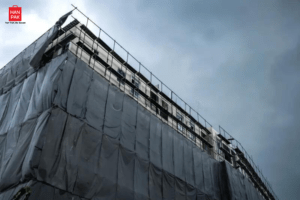
Poly Sheeting Thickness Comparison Chart
| Thickness (Mil) | Strength Level | Common Uses | Typical Users |
|---|---|---|---|
| 1–2 Mil | Light-duty | Dust covers, painting, short-term wraps | Homeowners, painters |
| 3–4 Mil | Medium-duty | Floor covering, light moisture barriers | Small contractors |
| 6 Mil | Heavy-duty | Construction vapor barrier, greenhouse, packaging | Builders, farmers, warehouses |
| 8–10 Mil | Extra heavy-duty | Pond liners, crawl space liners, long-term enclosures | Contractors, industrial users |
Factors to Consider When Choosing Thickness

-
Application
-
Indoor or outdoor?
-
Short-term or long-term?
-
Protective covering or structural use?
-
-
Environmental Conditions
-
Exposure to sunlight
-
Exposure to chemicals, moisture, or sharp edges
-
Temperature variations
-
-
Cost vs. Durability
-
Thinner sheets are cheaper upfront but may not last.
-
Thicker sheets cost more but reduce replacement frequency.
-
Poly Sheeting in Different Industries
Construction
-
Recommended thickness: 6–10 mil
-
Used for vapor barriers, temporary enclosures, and concrete curing.
Agriculture
-
Recommended thickness: 3–6 mil
-
Common for greenhouse covers, crop protection, and soil liners.
Packaging and Shipping
-
Recommended thickness: 2–6 mil
-
Protects goods from dust, dirt, and moisture during transit.
Industrial and Commercial Storage
-
Recommended thickness: 8–10 mil
-
Provides long-term protection for machinery, tools, and equipment.
How to Save Costs Without Compromising Quality
-
Buy in bulk: Wholesale poly sheeting rolls are more cost-effective.
-
Choose the right thickness: Avoid overspending on heavy-duty sheeting if your application only needs light coverage.
-
Use recyclable options: Eco-friendly poly sheeting can reduce environmental impact while maintaining performance.
-
Work with a reliable supplier: Consistency in thickness and quality ensures you get what you pay for.
Conclusion
Choosing the right poly sheeting thickness is crucial for balancing durability, cost, and application needs. From light-duty 1–2 mil sheets for simple dust protection to 10 mil heavy-duty liners for construction and storage, every thickness serves a specific purpose.
👉 If your business is looking for high-quality poly sheeting in bulk, Hanpak Vietnam offers custom sizes, wholesale pricing, and fast delivery. Contact our sales team today to find the perfect solution for your packaging, construction, or agricultural needs.
📧 Email: info@hanpak.com.vn
📞 Hotline (Mobile/WhatsApp): +84 898 545 893
👉 Our experienced sales team is ready to assist you. Contact us today to place your order and experience the quality and reliability that Hanpak Vietnam offers.