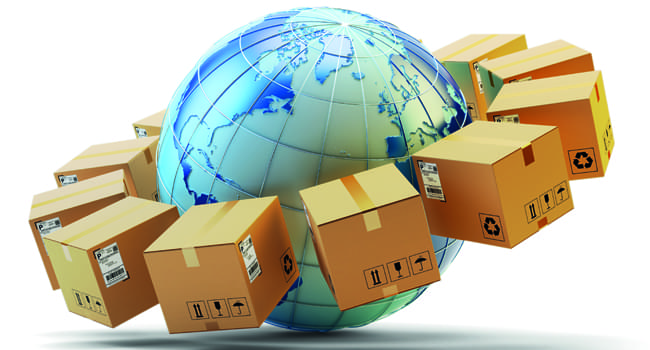
September 2025 has been a turning point for the global plastic packaging industry. Trade flows are being reshaped by new U.S. tariffs, stricter EU import security measures, and the growing demand for sustainable packaging driven by e-commerce expansion.
While the global packaging market is still on track to reach USD 1.109 trillion in 2025, September saw a slowdown in certain regions as businesses adjusted to rising trade barriers and logistics costs. Interestingly, Vietnam emerged as one of the biggest beneficiaries, stepping into the gap left by China and gaining momentum in exporting t-shirt bags and flexible packaging.
This article dives deep into the plastic packaging trade trends of September 2025, highlighting key data, opportunities for Vietnam, and strategies for businesses to adapt.
Global Trade Overview: September 2025
According to the UNCTAD Global Trade Update (September 2025), global exports of plastic packaging grew by about 2–3% compared to August, driven by post-summer demand and e-commerce growth. However, imports fell by 3–5%, largely due to new tariffs and regulatory compliance costs.
The U.S. increased tariffs by 10% on imports from China starting September 1, sparking a wave of front-loading shipments before the deadline. Meanwhile, the European Union fully rolled out ICS2 (Import Control System 2), requiring more detailed security data for all imports. This added time and cost to customs clearance, affecting suppliers worldwide.
Logistics expenses also climbed 5–10% compared to August as shipping lines adjusted rates to account for regulatory disruptions and higher fuel prices.

Key Forces Shaping Plastic Packaging Trade
Several factors influenced plastic packaging trade in September:
1. Tariffs and Trade Barriers
-
U.S. Tariffs: Imports from China faced a 10% tariff increase, hitting low-cost packaging products such as plastic shopping bags and stretch film.
-
EU ICS2: Importers into Europe must now provide full pre-arrival security data, increasing compliance costs and slowing down supply chains.
2. Sustainability and Regulations
-
OECD reported a 15–20% growth in exports of recycled packaging in September.
-
Policymakers continue to push for sustainable alternatives, warning that plastic pollution could double by 2060 without intervention.
-
EU regulations now expect 25% recycled content in certain plastic products starting in 2025.
3. E-commerce Expansion
-
Transit packaging demand rose steadily, with a 7% CAGR, reaching an estimated USD 264.71 billion in 2025.
-
Corrugated boxes and plastic shipping bags remain the top beneficiaries of online retail growth.

Vietnam’s Rising Role in Plastic Packaging
Vietnam stood out in September 2025 as a resilient and competitive exporter of plastic packaging. According to preliminary data from the Vietnam General Department of Customs, exports rose 12% month-on-month, reaching about USD 500 million.
Why Vietnam is Thriving
-
Tariff Diversion: As U.S. tariffs hit Chinese products, Vietnam gained market share, especially in t-shirt bags, where exports to the U.S. jumped 15% in September.
-
Trade Agreements: Vietnam leverages agreements like EVFTA and CPTPP, giving it tariff advantages in Europe and Asia-Pacific markets.
-
Competitive Costs: Despite PP/PE resin prices rising by 4–5% due to geopolitical tensions, Vietnam’s low labor and production costs preserve its edge.
-
Shift to Sustainability: Vietnamese manufacturers are investing in recycled content packaging, aligning with EU regulations.
Export Trends: T-Shirt Bags and More
One of Vietnam’s biggest success stories is the plastic t-shirt bag segment. In September 2025, Vietnam led globally with 4,664 recorded shipments, according to trade reports.
Here is a simplified summary of Vietnam’s export performance in September:
| Market | Growth (MoM) | Main Products | Challenges |
|---|---|---|---|
| United States | +15% | T-shirt bags, gusseted bags | New 10% tariffs on plastics |
| European Union | +10% | Bio-degradable & recycled bags | ICS2 security compliance |
| ASEAN | +5% | Trash bags, shopping bags | Regional competition |
| Global | +4% | Plastic resins, flexible films | Volatile resin prices |
Major exporters like Vietpak and Haplast shipped over 500 tons/month, with a focus on eco-friendly bags and flexible packaging.
Challenges in September 2025
Despite the positive growth, challenges remain for Vietnamese exporters:
-
Tariffs in North America: U.S. and Canada applied new tariffs in September, with limited exemptions for medical packaging until October 16.
-
Rising Raw Material Costs: Import prices of PP and PE resins increased 4.2%, cutting into margins.
-
Logistics Costs: Higher freight rates and compliance requirements added 5–10% to overall costs.
-
Global Economic Slowdown: OECD forecasted global GDP growth at only 3.2%, leading to weaker trade volumes overall.
Strategies for Businesses to Adapt
To stay competitive, Vietnamese plastic packaging companies should consider the following strategies:
Market Diversification
Avoid overreliance on the U.S. and EU by expanding into ASEAN markets, Mexico, and the Middle East, where tariffs and regulations are less strict.
Investment in Sustainability
Meeting EU’s recycled content requirement of 25% by 2025 is no longer optional. Companies should invest in mechanical and chemical recycling and market themselves as sustainable suppliers.
Technology and Efficiency
Adopting AI-driven logistics tools and supply chain optimization can help reduce shipping delays and costs. Automation in production will also improve efficiency.
Global Networking
Participation in global packaging events like LUXE PACK Monaco (Sept 29 – Oct 1, 2025) is critical for building partnerships, especially with premium and eco-conscious brands.
Conclusion
September 2025 highlighted both volatility and opportunity in the plastic packaging industry. While global trade slowed under the weight of tariffs and regulatory shifts, Vietnam demonstrated resilience, leveraging trade agreements, cost advantages, and sustainability investments to grow exports by double digits.
The lesson is clear: businesses must stay agile, anticipating trade barriers, embracing eco-friendly practices, and diversifying markets to thrive in this fast-changing environment.
For importers, distributors, and brand owners looking for reliable suppliers, Vietnam remains one of the most promising sources of t-shirt bags, flexible packaging, and eco-friendly alternatives.
👉 If you’re seeking a trusted supplier of plastic t-shirt bags and packaging products, consider Hanpak Vietnam – a manufacturer with proven experience in global trade and compliance.
📌 For more information about Hanpak Vietnam’s plastic bag products, please contact us:
📧 Email: info@hanpak.com.vn
📞 Hotline (Mobile/WhatsApp): +84 898 545 893
👉 Our experienced sales team is ready to assist you. Contact us today to place your order and experience the quality and reliability that Hanpak Vietnam offers.