Heat shrink films are widely used in various industries for packaging and protecting products. There are two types of heat shrink film: barrier film and non-barrier film. In this article, we’ll compare and contrast the features, uses, and benefits of these three kinds of shrink wrap.
Polyolefin Shrink Film
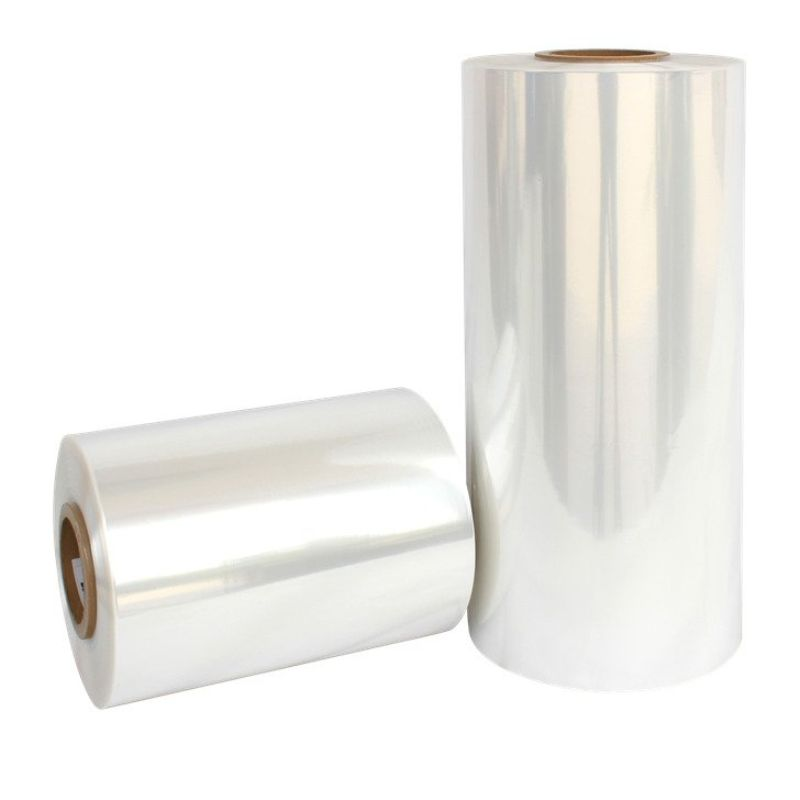
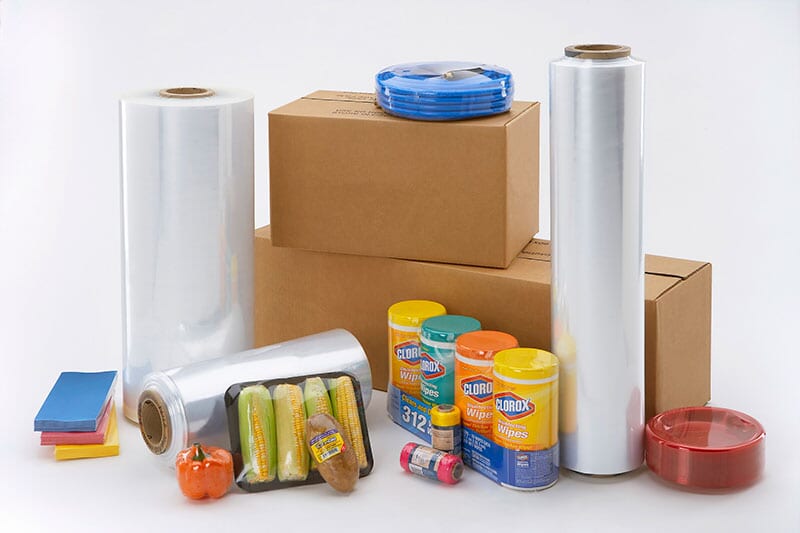
Polypropylene (PP) and linear low-density polyethylene (LLDPE) are the two main components of polyolefin shrink film. This premium this film is unparalleled in quality thanks to its crystal-clear appearance, remarkable durability, and ability to condense. Applications requiring high-quality packaging, such as those in the food and beverage industries, use this type of shrink film heavily.
Polyolefin shrink film’s clarity is one of the material’s primary benefits.
Its remarkable clarity makes it easy to see the contents inside. It’s especially crucial in the food and drink industry to display the products and it’s packaging clearly and unambiguously. Polyolefin film has a low friction coefficient, so it is very simple to work with.
Another advantage of polyolefin shrink wrap is its high strength.
Its excellent tensile strength and resistance to tearing make it a good choice for uses where the object being packaged needs to be kept safe during handling, storage, and transport. This type of shrink wrap is also resistant to punctures, so it can be used to safely package items with pointed corners and edges.
Cross-linked shrink film
It is the premium option for Polyolefin shrink wrap. Irradiated cross linking technology is utilized in the production of the cross linked POF film. The raw material is only PE resin, which makes the polymer chain of the resin change from a linear structure to a network structure. Greater shrinkage, improved puncture resistance, and increased clarity are the benefits of cross-linked polyolefin shrink wrap over regular polyolefin shrink wrap.
Polyolefin shrink film has excellent heat resistance, making it useful when the products may be subjected to high temperatures during manufacturing or storage.
Because of its moisture resistance, this shrink film is especially useful for protecting items that would otherwise be damaged if they were to be exposed to the elements while being stored in a humid environment.

POF Shrink films can be formed into a wide variety of shapes, making it perfect for objects that have an unusual form. It can be formed into arcs, bags, and tubing.
Polyethylene Shrink Film

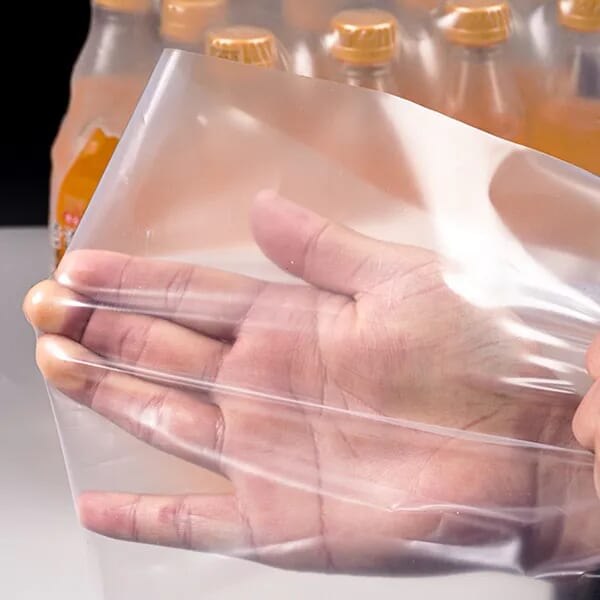
Low-density polyethylene (LDPE) or linear low-density polyethylene (LLDPE) is the primary component of PE shrink film. The shrink film is well-praised for its low price, adaptability, and simple processing. Its low production cost makes it ideal for mass-producing packaging or low-value goods.
The low price is one of the key benefits of polyethylene shrink film.
As one of the cheapest shrink wrap options, it’s a good choice for any job where money is tight. This film is highly flexible, making it easy to handle and process. It is also resistant to punctures, which makes it ideal for packaging products with sharp edges or corners. As it is so durable, polyethylene shrink film is frequently used for shipping heavier goods. And it’s especially prevalent in bottled water.
Easy processing is another advantage of PE shrink film.
Its ability to be heat-sealed makes it a great choice for uses where speed and efficiency in packaging are paramount. This film is also suitable for uses where labels or logos need to be imprinted on the packaging material.
PVC Shrink Film
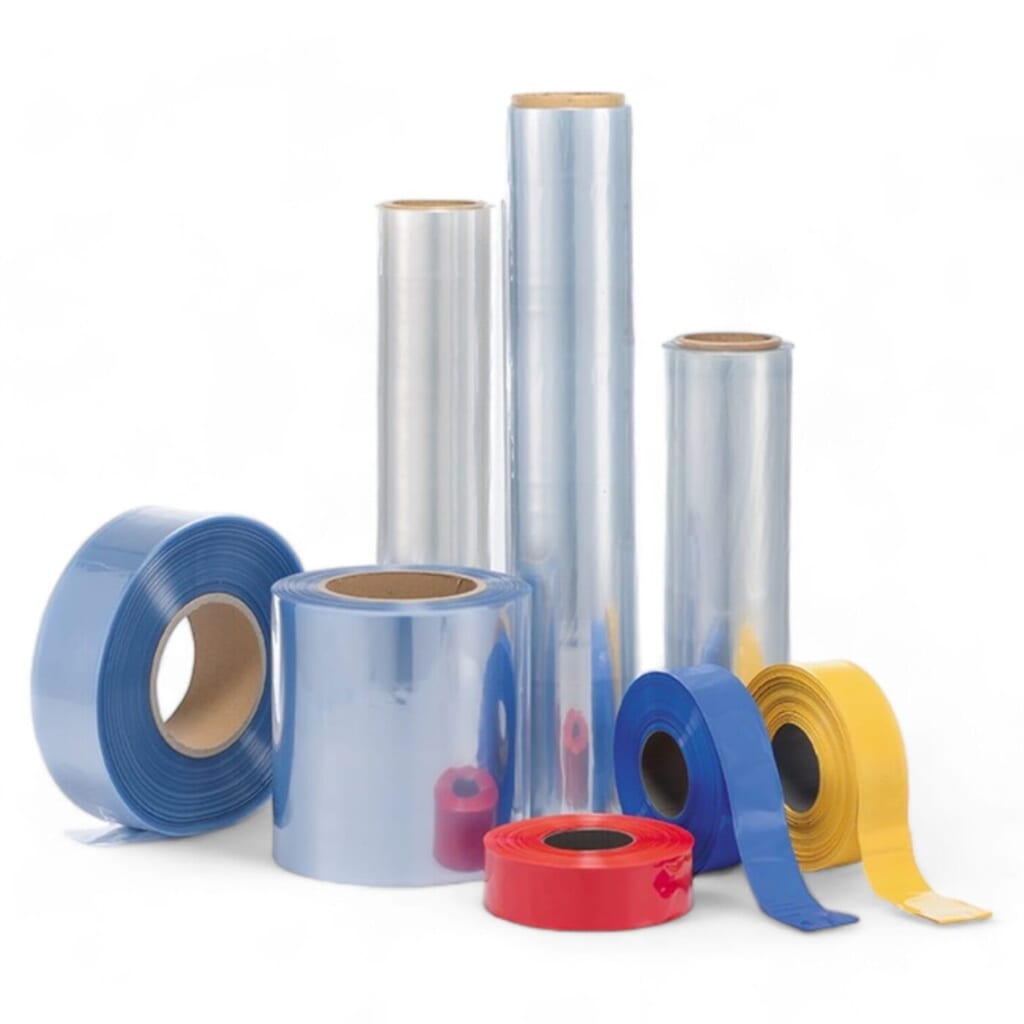
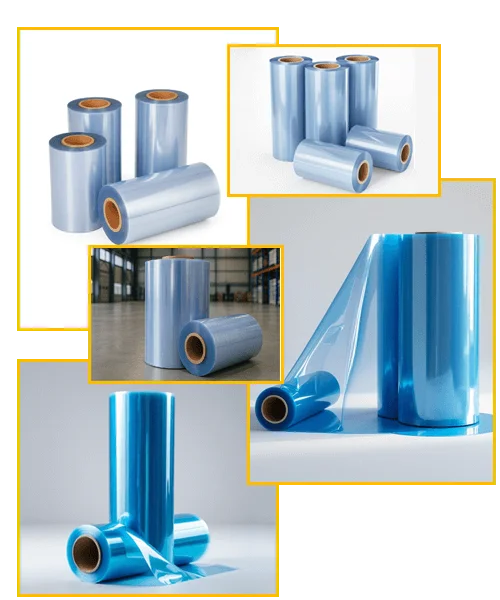
PVC shrink film is made from polyvinyl chloride (PVC). The strength, and durability of this film make it a popular choice. The main qualities of PVC are that it is highly durable, has easily sealing and shrinking features. Chloride, which is present in PVC shrink film, has a potent odor when it is heated and then cooled. Since it is harmful to the environment, consumers have phased it out. But in the shrink sleeve market, PVC shrink film still occupies most of the market share due to its low cost, excellent shrinkage rate, and easy printing.
Polyolefin Vs. Polyethylene Vs. PVC
Each type of shrink film mentioned above has been co-extruded. Co-extrusion is a manufacturing process used to create multi-layered films by extruding multiple layers of materials together. The principle behind co-extrusion is that it allows for the combination of different materials, each with its unique properties, to create a film that combines these properties. The process involves feeding multiple extruders with different types of plastic and then combining the molten materials into a single, multi-layered film.
In recent years, for instance, certain metallocene polyethylenes and linear low-density polyethylenes(LLDPE) have been shown to exhibit good lateral shrinkage qualities in addition to great mechanical capabilities. As a result, many new high-strength PE shrink wrap with high levels of transparency have recently entered the market. Top tier manufacturers will give custom shrink wrapping solutions based on the actual needs of end users.
For more information about Hanpak’s plastic packaging products and Alibaba shop, please contact us:
Email: info@hanpak.com.vn
Hotline (Mobile/WhatsApp): +84 898 545 893
Our experienced sales team is ready to assist you. Contact us today to place your order and experience the quality and reliability that Hanpak offers.