

When it comes to disposable gloves, businesses and consumers often think first of nitrile, latex, or vinyl. But in industries where cost efficiency, hygiene, and high-volume use matter most – like food service, hospitality, cleaning, and light industrial work – poly gloves stand out. Among them, HDPE, LDPE, and CPE gloves are the three most common types.
At first glance, they might look quite similar: thin, lightweight, and designed for single use. However, their properties, durability, applications, and even feel are very different. Choosing the wrong glove type can lead to unnecessary costs, wasted resources, and even risks to hygiene standards.
This guide will break down everything you need to know about HDPE vs LDPE vs CPE gloves – so you can make the right choice for your business or daily needs.
Understanding the Basics of Poly Gloves
Polyethylene (PE) is a type of plastic widely used for packaging, bags, and films. When it comes to gloves, it is processed into thin layers that form a protective barrier against dirt, grease, and contamination.
Depending on how the polyethylene is processed, it results in different forms – HDPE (High-Density Polyethylene), LDPE (Low-Density Polyethylene), and CPE (Cast Polyethylene). Each type has a unique structure that affects the glove’s clarity, flexibility, durability, and cost.
HDPE Gloves: Light, Economical, and Disposable
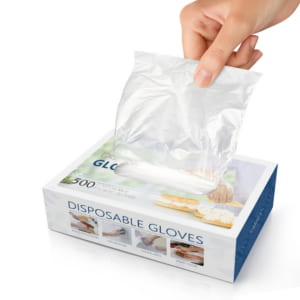
HDPE gloves are made from high-density polyethylene, a material with tightly packed molecules. This gives the glove a crisp, somewhat rigid texture. They are among the thinnest and most economical gloves available in the market.
They are often used in situations where frequent glove changes are required but minimal protection is needed. Think about the person at a supermarket handing out food samples, or staff at a bakery quickly bagging bread for customers.
Key Characteristics of HDPE Gloves
-
Very thin and lightweight
-
Loose fit, making them easy to put on and take off
-
Highly economical, with the lowest cost among the three types
-
Suitable for short-term, low-risk tasks
Common Uses
-
Food handling at supermarkets, bakeries, and restaurants
-
Light cleaning tasks without exposure to harsh chemicals
-
Environments where gloves are changed dozens or even hundreds of times per shift
HDPE gloves are not meant for durability. They can tear easily and don’t provide a snug fit, but their affordability makes them ideal for high-volume, short-use applications.
LDPE Gloves: Flexible and Comfortable
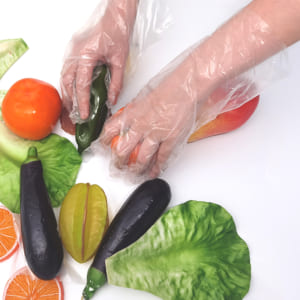
LDPE gloves are produced from low-density polyethylene, giving them a softer, more flexible feel compared to HDPE. They are still lightweight and economical but offer better comfort and elasticity.
They are often used in food service, healthcare for basic tasks, and light cleaning applications where some flexibility is appreciated.
Key Characteristics of LDPE Gloves
-
Softer and more pliable than HDPE
-
Slightly better fit and comfort
-
Still low in cost, but a bit higher than HDPE
-
Provides a better balance between affordability and usability
Common Uses
-
Food preparation and service in cafeterias, restaurants, and catering
-
Housekeeping tasks like dusting or basic cleaning
-
Light healthcare or caregiving duties that don’t involve direct contact with bodily fluids
For businesses that want a step up from HDPE without a significant cost increase, LDPE gloves provide a practical middle ground.
CPE Gloves: Durable, Textured, and Reliable
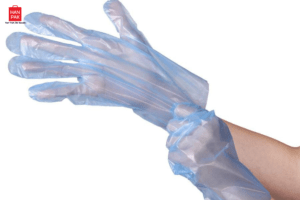
CPE gloves are made from cast polyethylene, processed differently to give them a textured surface. They are noticeably stronger and more durable than both HDPE and LDPE gloves. The embossing also improves grip, making them suitable for handling wet or slippery items.
CPE gloves are thicker, providing better protection and a longer wear time, though they are still considered disposable. They are often the go-to choice in healthcare, food processing, and cleaning industries where stronger protection is needed.
Key Characteristics of CPE Gloves
-
Thicker and more durable than HDPE and LDPE
-
Textured surface for improved grip
-
Longer wear time, still cost-effective compared to nitrile or latex
-
Higher resistance to tearing and puncturing
Common Uses
-
Food processing plants where gloves need to withstand longer use
-
Cleaning tasks that involve water, detergents, or mild chemicals
-
Healthcare settings for non-sterile, low-risk procedures
-
Hospitality industry where durability and hygiene both matter
Among the three, CPE gloves provide the most value for situations requiring both cost savings and performance.
Comparing HDPE vs LDPE vs CPE Gloves
Now that we’ve looked at each type individually, here’s how they compare when placed side by side:
| Feature | HDPE Gloves | LDPE Gloves | CPE Gloves |
|---|---|---|---|
| Thickness | Thinnest | Thin to medium | Thickest |
| Flexibility | Low, crinkly texture | Soft, more flexible | Moderate, with textured grip |
| Durability | Very low | Moderate | High |
| Cost | Lowest | Low | Moderate |
| Fit | Loose | Better than HDPE | Better, with embossed texture |
| Best For | Quick food handling, sampling | Food prep, light tasks | Food processing, cleaning, healthcare |
Choosing the Right Glove for Your Needs
Selecting the right glove depends on balancing cost, comfort, and protection.
-
If your priority is cost efficiency and you need gloves that can be changed frequently with minimal protection, go for HDPE gloves.
-
If you want better comfort and usability while keeping costs low, LDPE gloves are a better option.
-
If you need stronger, longer-lasting protection with better grip, CPE gloves are the most suitable choice.
For many businesses, a combination works best. For example, supermarkets may use HDPE gloves at checkout counters, LDPE gloves in food preparation, and CPE gloves in the deli or seafood section.