

As sustainability becomes a top priority in global packaging and logistics, many businesses are re-evaluating the environmental impact of stretch film. One common question from buyers and sustainability managers is:
Can colored cast stretch film be recycled, and is it a sustainable choice?
The answer is yes—but with important considerations. This article explores recyclability, material behavior, regulatory impact, and how colored cast stretch film fits into a long-term sustainable packaging strategy.
What Is Colored Cast Stretch Film?
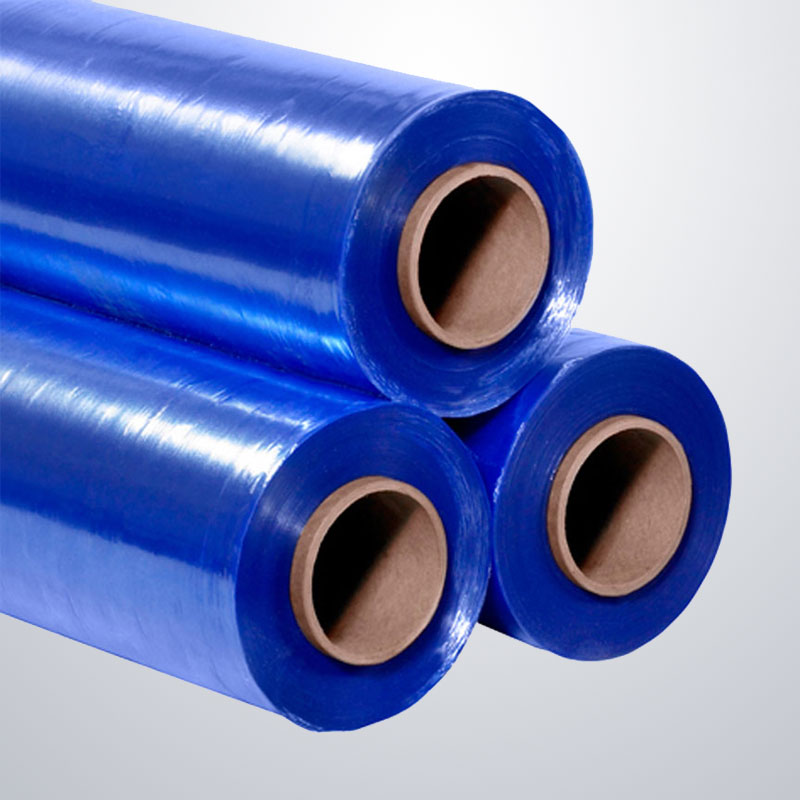
Colored cast stretch film is produced using cast extrusion technology, primarily from LLDPE (Linear Low-Density Polyethylene). Color masterbatch is added during production to create films in black, blue, red, green, yellow, or custom colors.
Common Applications
- Pallet wrapping for export shipments
- Cargo concealment and theft prevention
- Warehouse zoning and color coding
- Brand or shipment identification
- Industrial logistics and distribution centers
Unlike blown film, cast stretch film offers:
- High clarity (for clear film)
- Consistent thickness
- Excellent cling and elongation
- Quiet, stable unwinding

Is Colored Cast Stretch Film Recyclable?
Short Answer: Yes
Colored cast stretch film is fully recyclable because it remains a mono-material PE film, even with added pigments.
Key Factors Affecting Recyclability
- Type of polymer – LLDPE is widely accepted in industrial recycling streams
- Level of contamination – Clean, post-industrial waste is easiest to recycle
- Color intensity – Darker colors are easier to reprocess than light or mixed colors
- Recycling system – Closed-loop vs open-market recycling
👉 Color does not prevent recycling, but it does limit how recycled material can be reused.
Colored vs Clear Cast Stretch Film: Sustainability Comparison
| Factor | Clear Cast Stretch Film | Colored Cast Stretch Film |
|---|---|---|
| Polymer type | LLDPE | LLDPE |
| Recyclability | Excellent | High |
| Recycled pellet appearance | Light/neutral | Dark |
| Reuse flexibility | Very high | Medium |
| Security & theft prevention | Low | High |
| Warehouse efficiency | Limited | Strong |
| Closed-loop recycling | Possible | Ideal |
Key takeaway:
Clear film offers higher material flexibility, while colored film often delivers higher operational sustainability.

Role of Color Masterbatch in Recycling
Color masterbatch slightly changes the recycling outcome:
Challenges
- Recycled resin becomes darker
- Not suitable for transparent products
- Requires color management during reprocessing
Advantages
- Perfect for black or dark-colored end products
- Ideal for:
- Garbage bags
- Industrial stretch film
- Construction plastic
- Agricultural film
- Non-visual technical plastic parts
👉 This makes colored stretch film highly suitable for closed-loop or industrial recycling systems.

Sustainability Benefits Beyond Recycling
1. Improved Load Security = Less Waste
Colored cast stretch film:
- Conceals goods
- Reduces theft and tampering
- Minimizes product loss during transport
Fewer damaged or stolen pallets mean:
- Less re-shipping
- Lower carbon emissions
- Reduced packaging waste overall
2. Down-Gauging: A Major Sustainability Driver
One of the most important sustainability advantages of cast stretch film is down-gauging.
- Advanced cast technology allows thinner films (micron reduction)
- Maintains stretch, load retention, and tear resistance
- Uses less plastic per pallet
👉 In many cases, reducing thickness has a greater environmental impact than adding recycled content alone.
Regulatory & ESG Considerations
Compliance with EPR Regulations
In regions like the EU and North America:
- Stretch film falls under Extended Producer Responsibility (EPR)
- Companies are encouraged to:
- Reduce material use
- Improve recyclability
- Support internal recycling
Colored cast stretch film:
- Works well in mono-material packaging strategies
- Is easier to sort in industrial environments
- Supports ESG reporting and sustainability audits
When Is Colored Cast Stretch Film the Right Sustainable Choice?
Colored cast stretch film is especially suitable when:
- Cargo security is critical
- Warehouse uses color-coded logistics
- Internal recycling is available
- Industrial or non-visual recycled applications are acceptable
- Down-gauging is implemented
Best Practices for Sustainable Use of Colored Cast Stretch Film
To maximize sustainability:
- Use standard colors (black, dark blue)
- Avoid mixing multiple colors in recycling streams
- Choose mono-layer PE structures
- Combine down-gauging + recycled content
- Work with suppliers who provide TDS & recycling transparency