
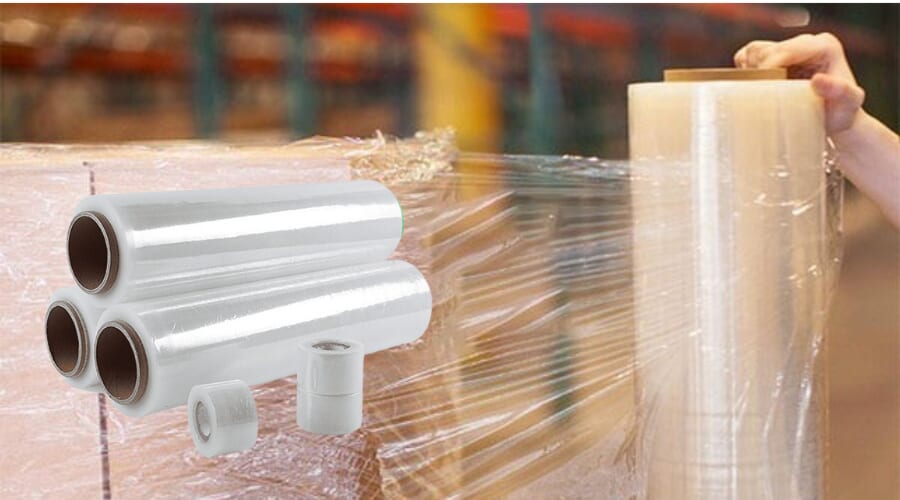
When purchasing stretch film, many businesses focus primarily on the price per roll. While choosing the lowest-priced option may seem like a way to reduce expenses, it doesn’t always result in lower packaging costs. In many cases, cheaper stretch film requires more material, breaks more easily during wrapping, and provides weaker load stability, leading to higher overall operating costs.
Instead of looking only at the purchase price, businesses should evaluate the total packaging cost—including film consumption, labor efficiency, transportation safety, and product protection. A high-performance stretch film can help reduce costs across the entire packaging process while improving warehouse productivity.
Look Beyond the Price Per Roll
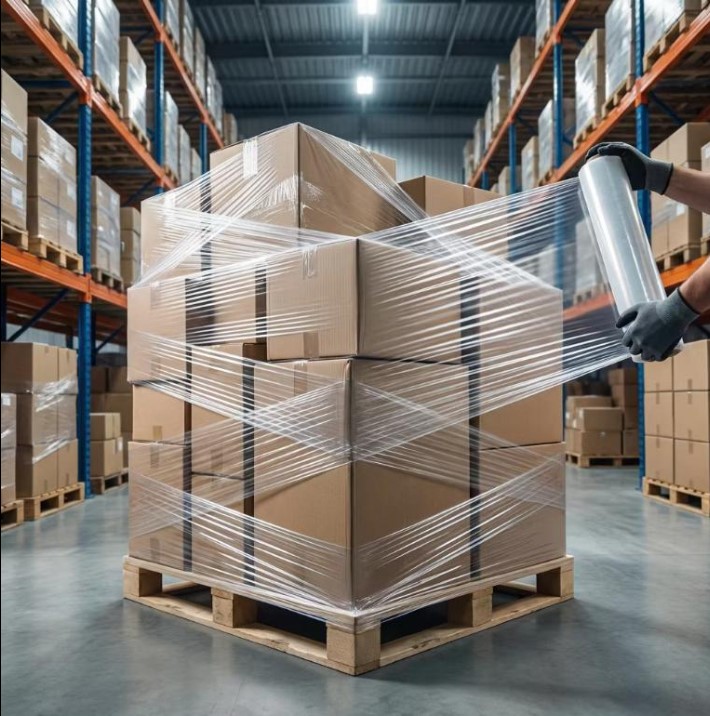
The true value of stretch film lies in how efficiently it performs. Two products may appear similar, but their performance can vary significantly.
For example, a lower-cost film may require additional wraps to secure a pallet, while a premium film with better stretchability can achieve the same load stability using less material. Over hundreds or thousands of pallets, this difference can translate into substantial savings.
Rather than asking, “Which roll is cheaper?”, buyers should ask, “Which film costs less per wrapped pallet?”
Use Less Film Without Sacrificing Protection
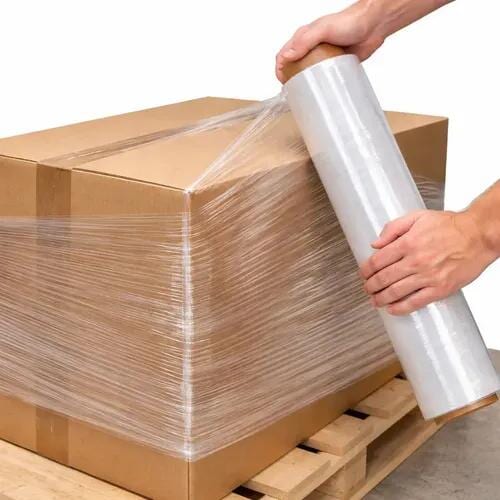
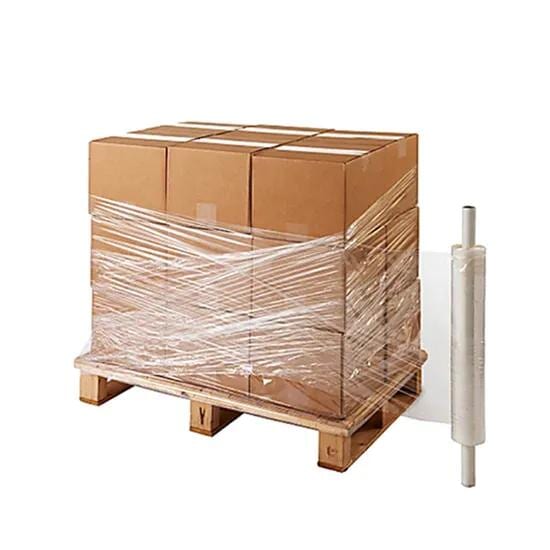
One of the biggest advantages of high-performance stretch film is its ability to stretch further while maintaining excellent holding force. This allows operators to use fewer wraps without compromising pallet security.
Lower film consumption offers several benefits:
- More pallets wrapped per roll
- Reduced packaging waste
- Lower inventory requirements
- Lower material costs over time
For manufacturers shipping large volumes every month, even a small reduction in film usage can result in significant annual savings.
Improve Load Stability During Transportation
Damaged products often cost far more than the stretch film used to protect them. Poor load stability can cause cartons to shift during transportation, resulting in crushed boxes, damaged goods, and customer complaints.
A quality stretch film provides consistent cling and strong load retention, helping pallets remain stable throughout storage, handling, and transportation. Whether products are shipped by truck, sea freight, or stored in a warehouse, reliable load stability helps reduce damage claims and replacement costs.
Increase Packaging Efficiency
Film quality also affects warehouse productivity. Stretch film that unwinds smoothly and maintains consistent thickness allows operators to wrap pallets more quickly with fewer interruptions.
In contrast, low-quality film is more likely to tear or break during application, forcing workers to stop and restart the wrapping process. These interruptions reduce efficiency and increase labor costs, particularly in high-volume distribution centers.
For companies using automatic wrapping machines, selecting a film designed for machine applications can further improve wrapping speed and consistency while reducing downtime.
Choose the Right Stretch Film for Your Application
Not every business has the same packaging requirements. Selecting the right type of stretch film is just as important as choosing a high-quality product.
Hand stretch film is ideal for businesses with lower daily pallet volumes or manual packaging operations, offering flexibility and ease of use.
Machine stretch film, on the other hand, is better suited for manufacturers and distribution centers with high production volumes. It provides greater stretch performance, more consistent wrapping, and a lower cost per pallet when used with automatic wrapping equipment.
Matching the film to your packaging process helps maximize efficiency and avoid unnecessary material consumption.
Avoid Common Purchasing Mistakes
Many buyers assume that thicker film always provides better protection or that the lowest-priced product offers the best value. In reality, modern high-performance stretch films often outperform thicker conventional films thanks to improved material technology.
Another common mistake is using the same stretch film for every application. Different load weights, product shapes, and transportation conditions require different film characteristics. Reviewing your packaging process and selecting the appropriate film can often reduce costs without changing any other part of your operation.
Conclusion
The lowest-priced stretch film is not always the most economical choice. By considering total packaging costs rather than purchase price alone, businesses can reduce material usage, improve packaging efficiency, minimize transportation damage, and lower long-term operating expenses.
Investing in high-performance stretch film is not simply about buying better packaging material—it’s about creating a more efficient, reliable, and cost-effective supply chain.
For more information about Hanpak’s plastic packaging products and Alibaba shop, please contact us:
Email: info@hanpak.com.vn
Hotline (Mobile/WhatsApp): +84 898 545 893
Our experienced sales team is ready to assist you. Contact us today to place your order and experience the quality and reliability that Hanpak offers.