In 2026, the global plastic market is no longer behaving the way it used to. For years, buyers could rely on relatively predictable cycles-prices would rise gradually, stabilize, then adjust downward over time. Today, that pattern has been replaced by something far more complex: a market that reacts quickly, shifts frequently, and rarely stays stable for long.
For businesses sourcing plastic packaging, understanding what’s behind these changes is no longer optional-it’s essential.
A Market Driven by Multiple Forces at Once
One of the biggest reasons for this instability is that the market is now influenced by several major factors simultaneously, rather than one dominant driver.
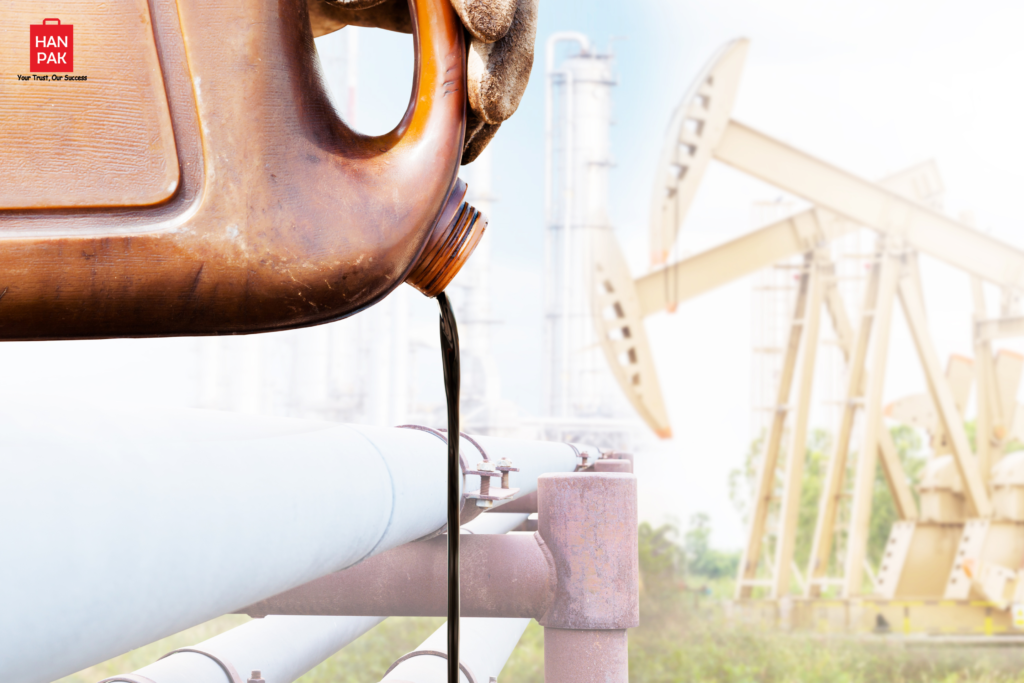
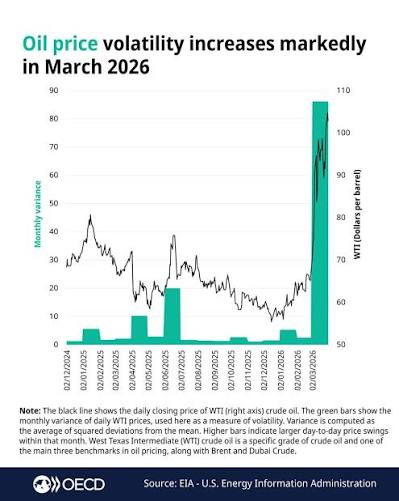
First, oil price volatility continues to play a central role. Since most plastic resins such as plastic resin – polyethylene (PE) and polypropylene (PP) are derived from petrochemicals, any fluctuation in crude oil prices can quickly impact production costs. However, unlike in the past, these changes are happening more abruptly, making it harder for both suppliers and buyers to anticipate pricing trends.
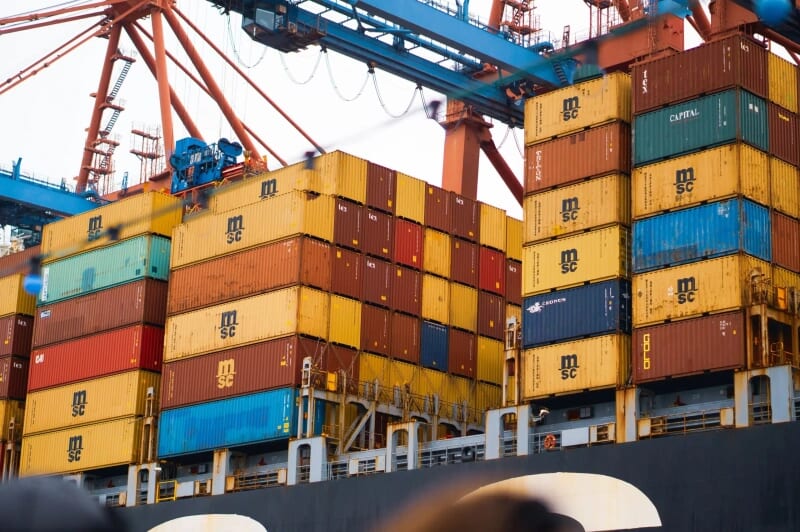
Second, global supply chains remain fragile. Ongoing geopolitical tensions, combined with production adjustments in key manufacturing regions, have created an environment where supply is no longer guaranteed. Even temporary disruptions-such as plant maintenance, export restrictions, or logistics bottlenecks-can lead to immediate price reactions in the market.
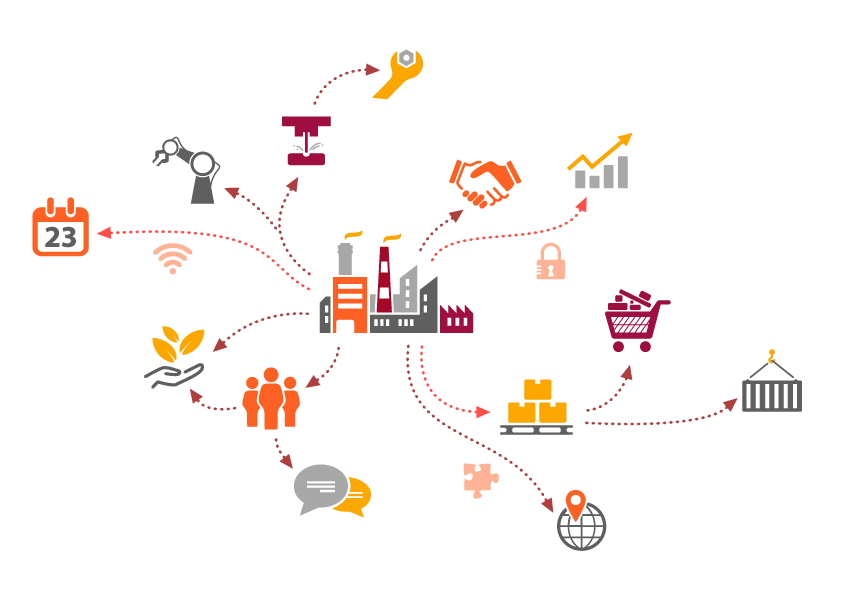
Third, demand recovery is uneven across regions. While some markets are experiencing strong growth, others remain slow or inconsistent. This imbalance makes it difficult for resin producers to plan output effectively, often resulting in either oversupply in one period or shortages in another.
From Predictable Trends to Short-Term Reactions
The combined effect of these factors is a market that behaves in short cycles rather than long-term trends.
Instead of gradual and predictable movements, buyers are now facing:
- Sudden price increases triggered by supply constraints
- Short-term price drops followed by quick rebounds
- Frequent adjustments from suppliers based on real-time conditions
In other words, the market is no longer simply “going up” or “going down.” It is constantly adjusting, often with little warning.
What This Means for Buyers
For buyers of plastic packaging products, this shift requires a change in mindset.
Waiting for the “perfect price” is becoming increasingly risky. In many cases, delaying a purchase in hopes of a better deal can backfire if the market turns unexpectedly. At the same time, locking into long-term commitments without flexibility can also create challenges if prices move in the opposite direction.
As a result, more buyers are adopting a balanced approach. This includes:
- Monitoring market signals more closely
- Working with suppliers who provide timely updates
- Making faster decisions when conditions are favorable
Equally important is choosing partners who are transparent about market changes, rather than those who simply offer the lowest initial price.
A New Way to Navigate the Market
In 2026, success in sourcing is no longer about predicting the market perfectly-it’s about responding to it effectively.
Buyers who stay informed, act decisively, and prioritize reliable suppliers are better positioned to manage risk and maintain stable operations. Because in a market that never stands still, flexibility and awareness have become the most valuable advantages.
For more information about Hanpak’s plastic packaging products and Alibaba shop, please contact us:
Email: info@hanpak.com.vn
Hotline (Mobile/WhatsApp): +84 898 545 893
Our experienced sales team is ready to assist you. Contact us today to place your order and experience the quality and reliability that Hanpak offers.