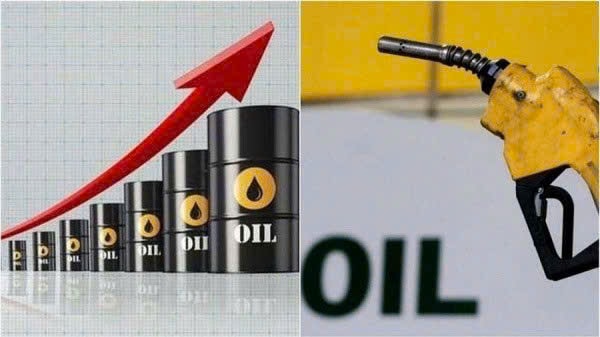
The global plastic packaging market is currently experiencing a new wave of uncertainty as geopolitical tensions – particularly conflict escalation in the Middle East – begin to disrupt energy supply, logistics routes and polymer trade flows. For packaging buyers and distributors, these resin prices developments are already translating into real procurement challenges.
Energy price shocks are pushing production costs upward
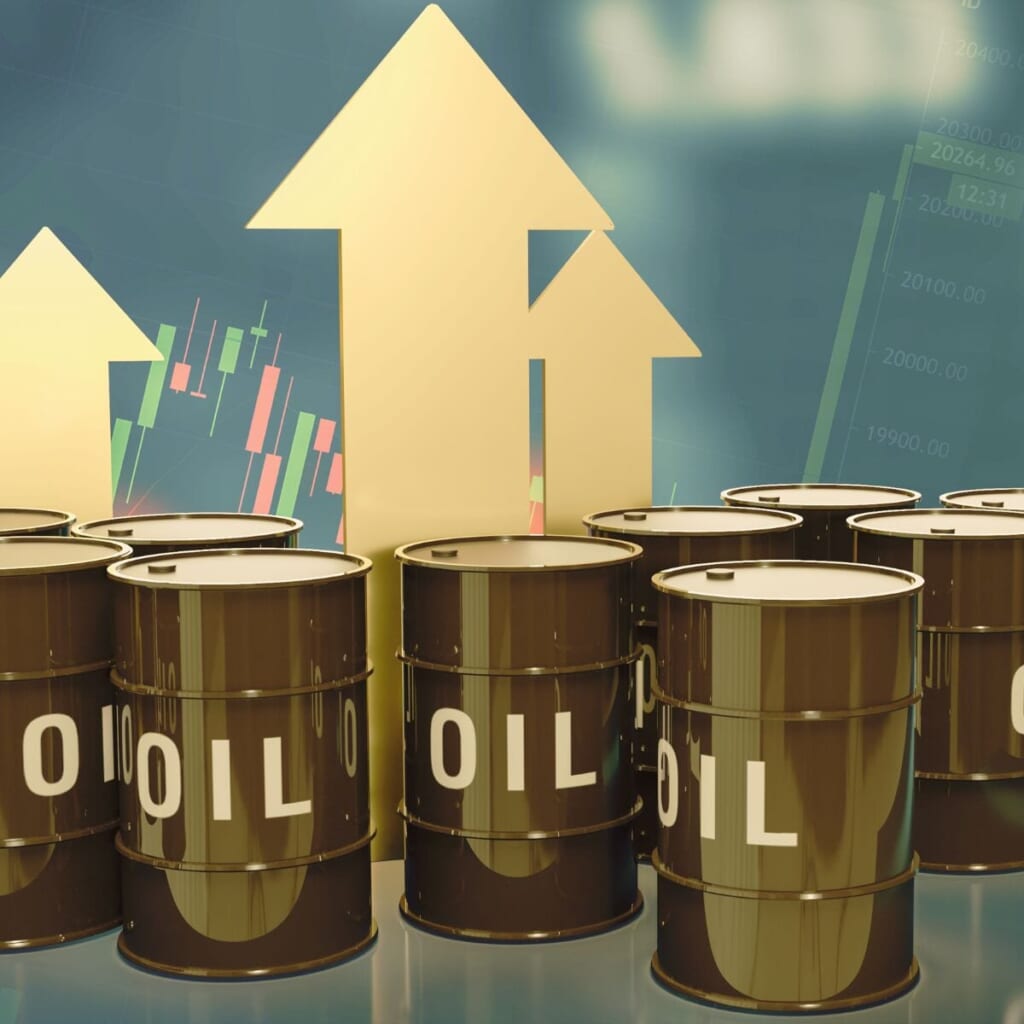
Recent military attacks on key gas fields and energy infrastructure in the Gulf region have triggered sharp increases in global oil and LNG prices. Analysts warn prolonged conflict could push oil – resin prices significantly higher and create broader inflationary effects across industries. (https://www.theguardian.com/business/2026/mar/19/oil-prices-gas-prices-rise-iran-israel-donald-trump?utm)
Since polyethylene and polypropylene production depends heavily on petrochemical feedstocks derived from crude oil and natural gas, such volatility directly affects resin pricing structures.
Industry experts confirm that geopolitical conflicts are already driving higher fuel costs and increasing both resin production and transportation expenses. (https://www.plasticstoday.com/industry-trends/plastics-industry-faces-mounting-challenges-in-2026?utm)
Polymer supply chains are becoming more fragile
The Middle East plays a critical role in global plastics exports. Around 84% of regional polyethylene capacity relies on shipping access through the Strait of Hormuz, making this route strategically important for worldwide supply continuity. (https://www.iom3.org/resource/strait-of-hormuz-closure-affects-chemicals-and-plastics-exports.html?utm)
As tensions escalate and maritime risks increase, shipping disruptions, rerouting, and insurance cost surges are becoming more common. These factors can reduce material availability even when production capacity technically remains sufficient.
In fact, ongoing conflict has already begun cooling polymer trade flows in certain regions as buyers wait for clearer resin prices signals. (https://www.spglobal.com/energy/en/news-research/latest-news/chemicals/030326-war-in-the-middle-east-cools-polymer-trade-in-the-americas-fuels-expectations-of-rising-prices?utm)
Resin prices are reacting rapidly to geopolitical uncertainty
Market reports indicate that polyethylene and polypropylene prices in Asia have risen sharply amid tightening feedstock availability and disrupted shipping routes. (https://www.bloominglobal.com/media/detail/middle-east-tensions-drive-sharp-surge-in-asia-pe-prices?utm)
Similarly, suppliers in some markets have declared force majeure or withdrawn offers temporarily, reflecting uncertainty about future raw material costs. (https://www.icis.com/explore/resources/news/2026/03/09/11186855/insight-how-the-us-iran-war-is-reshaping-polymers-trade-routes-in-the-middle-east?utm)
At the finished packaging level, certain regions have already reported dramatic increases. For example, polybag prices in parts of India have surged by as much as 80% due to raw material cost escalation linked to the ongoing conflict. (https://timesofindia.indiatimes.com/city/coimbatore/polybag-prices-rise-80-due-to-surge-in-raw-material-costs-caused-by-israeliran-war/articleshow/129575553.cms?utm)
Logistics and global trade outlook are also under pressure
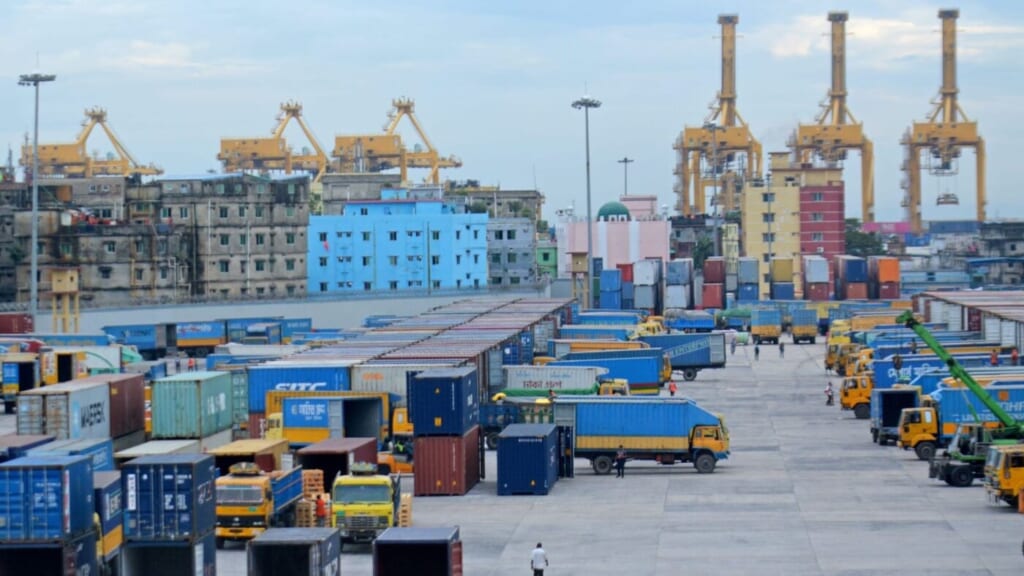
Beyond resin prices, geopolitical instability is affecting broader trade expectations. The World Trade Organization has warned that global trade growth could slow significantly in 2026, with energy resin prices shocks from Middle East tensions representing a major downside risk. (https://m.economictimes.com/news/economy/indicators/global-trade-growth-to-slow-to-1-9-this-year-middle-east-conflict-poses-downside-risk-wto/articleshow/129681804.cms?utm)
For packaging buyers operating in export-driven industries, slower trade growth combined with supply volatility may increase the importance of securing reliable packaging partners.
What packaging buyers should consider now
In this environment, companies relying on flexible packaging may benefit from:
- Placing orders earlier to avoid sudden price spikes
- Diversifying sourcing regions
- Locking in pricing when possible
- Planning mixed container shipments to optimize logistics
While market conditions may fluctuate, the combination of geopolitical risk, energy volatility, and fragile supply chains suggests that procurement strategies in 2026 will require greater flexibility and foresight.
For more information about Hanpak’s plastic packaging products and Alibaba shop, please contact us:
Email: info@hanpak.com.vn
Hotline (Mobile/WhatsApp): +84 898 545 893
Our experienced sales team is ready to assist you. Contact us today to place your order and experience the quality and reliability that Hanpak offers.