
Stretch film plays a critical role in modern warehousing and transportation. When applied correctly, stretch film stabilizes pallet loads, reduces freight damage, and lowers overall packaging costs.
However, improper stretch film application remains one of the leading causes of product loss in U.S. logistics operations.
In this guide, we’ll cover the most common mistakes when using stretch film for pallet wrapping – and how to avoid costly load failures.
Why Stretch Film Is Essential for Load Containment
In U.S. shipping environments – including LTL, FTL, rail, and export freight – pallets experience:
- Road vibration
- Sudden braking
- Forklift handling
- Long transit times
High-quality stretch film provides load containment force (LCF) that keeps products secure throughout the supply chain.
When stretch film is applied incorrectly, loads can shift, collapse, or become unsafe.
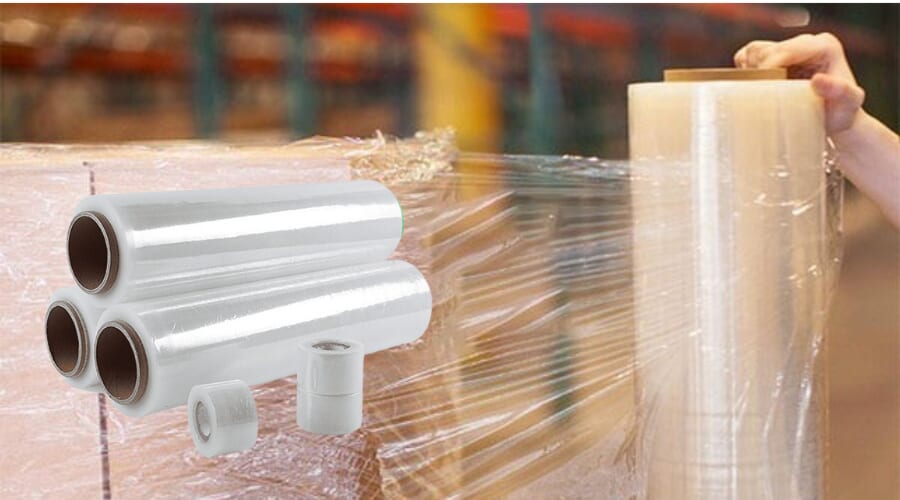
1. Not Anchoring the Stretch Film to the Pallet Base
The Mistake
Applying stretch film only around the boxes without securing it to the pallet.
Why It Causes Problems
Without anchoring, the load can slide off the pallet during transport.
Best Practice
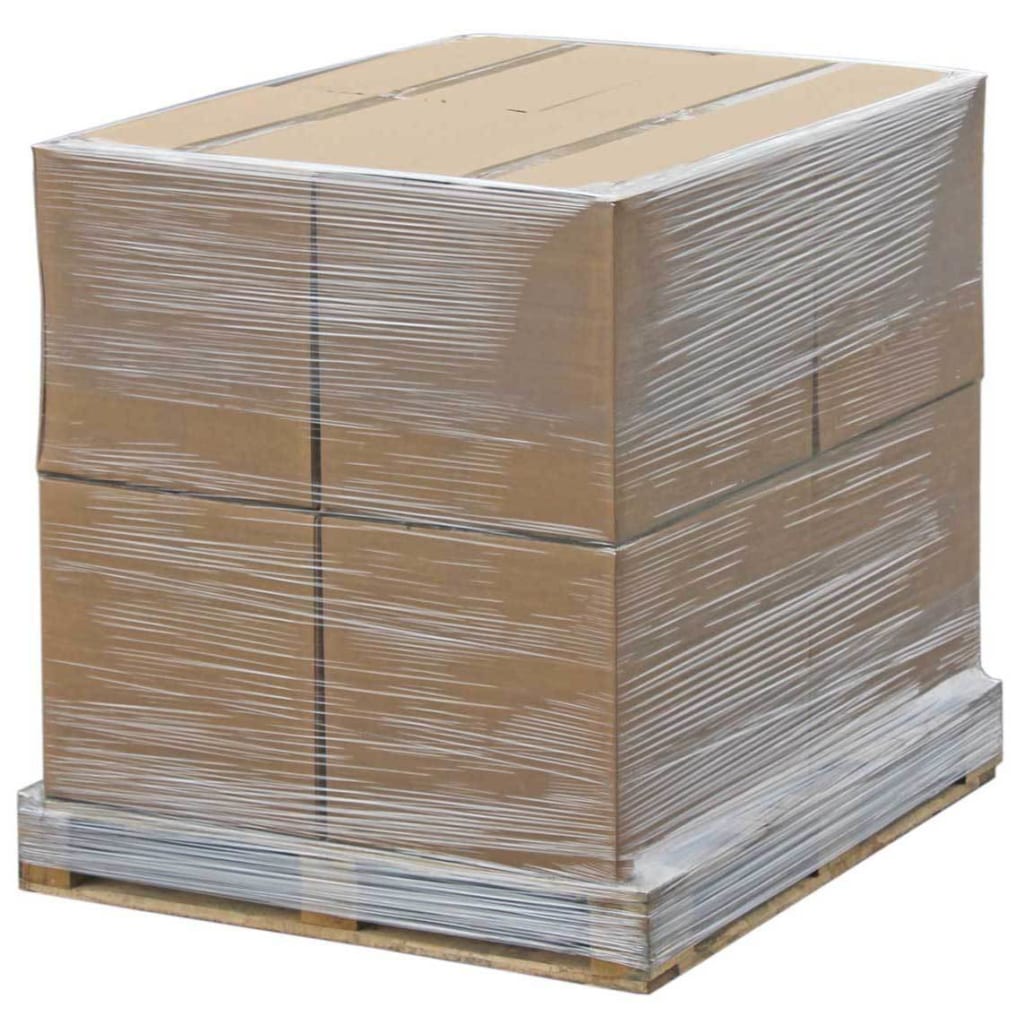
- Wrap the base of the pallet 2–3 times
- Capture both the pallet deck and bottom cartons
- Apply stronger tension at the bottom
A properly anchored stretch film foundation significantly improves stability.
2. Choosing the Wrong Stretch Film Thickness
The Mistake
Using stretch film that is too thin or unnecessarily thick.
Why It Matters
- Film that is too thin may tear under tension
- Film that is too thick increases cost per pallet
Recommended Stretch Film Thickness Guide
- 12–15 micron (47–60 gauge): light loads
- 16–20 micron (63–80 gauge): standard warehouse loads
- 23+ micron (90+ gauge): heavy industrial loads
Selecting the right stretch film thickness can reduce material costs by 10–20%.
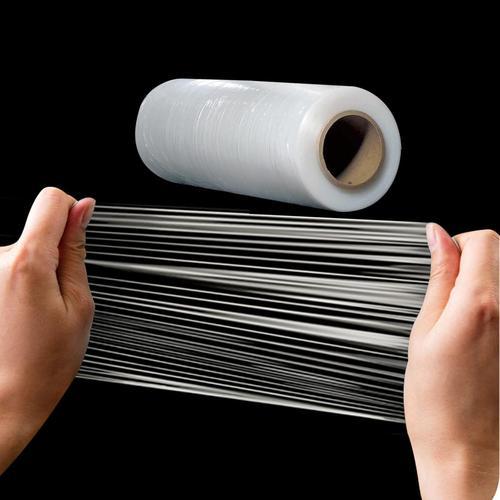
3. Insufficient Overlap Between Stretch Film Layers
The Mistake
Wrapping too quickly and leaving gaps between film layers.
Why It Matters
Gaps reduce load containment strength and increase the risk of shifting.
Best Practice
Maintain approximately 50% overlap when applying stretch film.
Consistent overlap improves holding force and load integrity.

4. Applying Stretch Film Too Loosely
The Mistake
Failing to apply enough tension during wrapping.
Why It Matters
Loose stretch film allows cartons to move inside the pallet structure, leading to crushed edges and instability.
Solution
- Increase wrap tension
- Use pre-stretch film
- Perform a push test before shipment
A properly applied stretch film load should feel tight and secure.
5. Overstretching the Stretch Film
The Mistake
Pulling stretch film beyond its recommended elongation level.
Why It Matters
Overstretching reduces film recovery and weakens load containment over time.
Solution
Use high-performance stretch film designed for 250-300% elongation and ensure wrapping machines are calibrated correctly.
6. Ignoring Load Shape and Weight Distribution
The Mistake
Wrapping uneven or top-heavy pallets without reinforcement.
Why It Matters
Even high-quality stretch film cannot compensate for poor stacking practices.
Correct Approach
- Place heavier items at the bottom
- Align edges evenly
- Use corner boards when needed
Stretch film works best when the load itself is stable.
7. Using Hand Stretch Film in High-Volume Operations
The Mistake
Continuing manual wrapping as shipment volume increases.
Why It Matters
- Inconsistent stretch film tension
- Higher labor costs
- Excess film usage
Solution
Switch to machine stretch film for improved consistency, reduced waste, and better containment force.
8. Not Adjusting Stretch Film for Transportation Conditions
The Mistake
Using standard stretch film for long-distance or export shipments.
Why It Matters
Cross-country trucking and ocean freight expose pallets to vibration, humidity, and temperature fluctuations.
Recommended Adjustments
- Increase top wraps for taller pallets
- Use higher-performance stretch film
- Consider UV-resistant stretch film for outdoor storage
Choosing the right stretch film for your logistics environment ensures long-term protection.

How to Check If Stretch Film Is Applied Correctly
Before shipping, perform these simple checks:
✔ Push test – does the load move?
✔ Visual inspection – any visible gaps?
✔ Base check – is the stretch film secured to the pallet?
If instability is detected, reinforce the base and mid-section.
Final Thoughts: Maximize Performance with the Right Stretch Film
Using stretch film correctly is one of the most cost-effective ways to improve pallet stability, reduce freight damage, and protect your supply chain.
By avoiding these common stretch film mistakes, warehouses and exporters can:
- Lower damage claims
- Improve safety
- Reduce material waste
- Optimize packaging costs
Choosing the right stretch film – combined with proper application techniques – ensures reliable load containment from warehouse to final delivery.