

Introduction
In today’s competitive market, packaging is more than just a container—it’s a crucial factor that affects product safety, logistics efficiency, and brand image. Businesses across industries, from food and agriculture to chemicals and retail, face the challenge of choosing the right packaging solution. Among the many options available, Block-head bags have gained popularity for their durability, versatility, and cost-effectiveness.
However, other types of packaging bags, including Wicket bags, Flat bags, and Vest bags, are widely used for specific applications. Understanding the differences between these bags can help businesses optimize packaging efficiency, reduce costs, and enhance the customer experience. In this article, we will provide a comprehensive comparison of Block-head bags and other common packaging options.
1. What Are Block-head Bags?
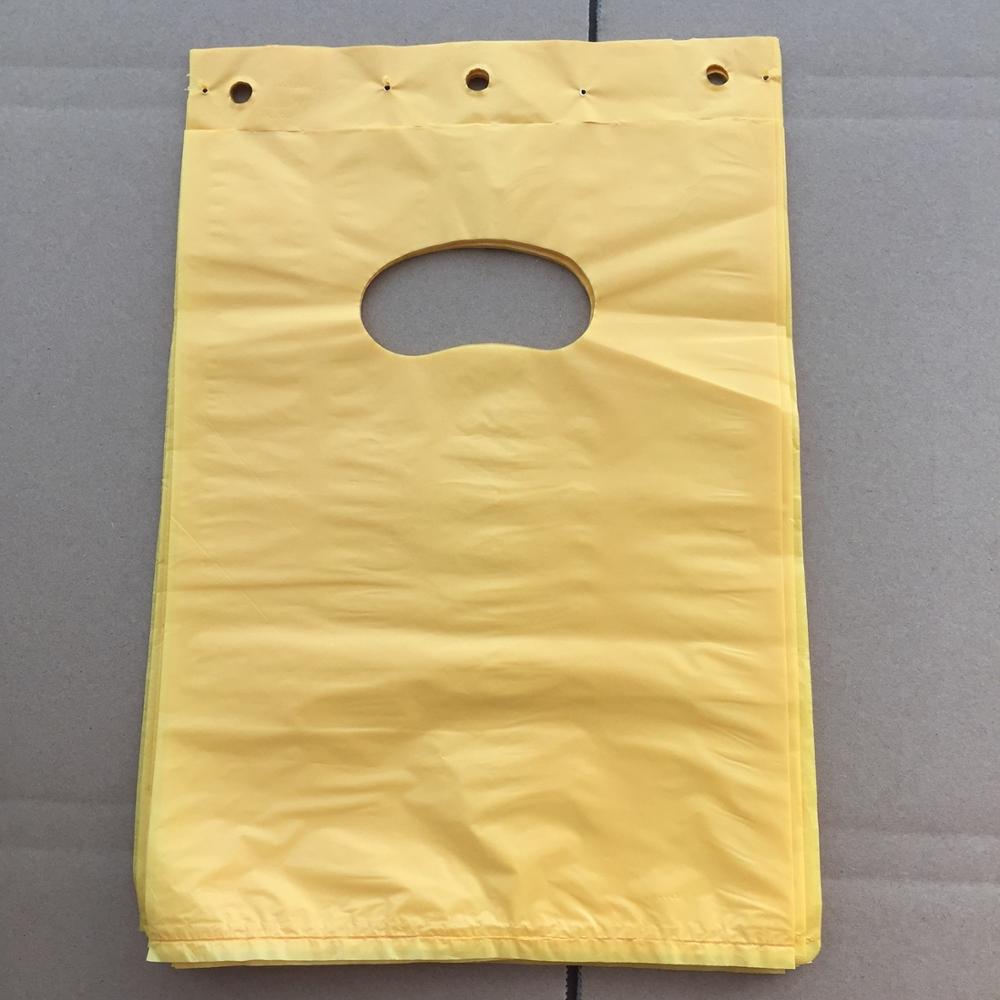
Block-head bags, also known as square-bottom bags, are designed to provide maximum stability and durability for heavy-duty packaging. These bags are widely used in industries such as food, chemicals, agriculture, and industrial products.
Key features of Block-head bags include:
- Square bottom design: Allows bags to stand upright and be stacked efficiently, reducing storage space.
- Durable materials: Typically made from LDPE (Low-Density Polyethylene) or HDPE (High-Density Polyethylene) for strength and tear resistance.
- Customizable: Sizes, thicknesses, and printing can be tailored to meet product and branding requirements.
- Versatile applications: Suitable for bulk powders, grains, fertilizers, chemicals, and other industrial goods.
Advantages of Block-head bags:
- Excellent stability and stacking capability
- High load-bearing capacity
- Custom branding opportunities through printing
- Suitable for both manual and automated packing
Block-head bags are particularly beneficial for businesses that need to transport and store large volumes of products safely, while also maintaining a professional appearance.
2. Wicket Bags
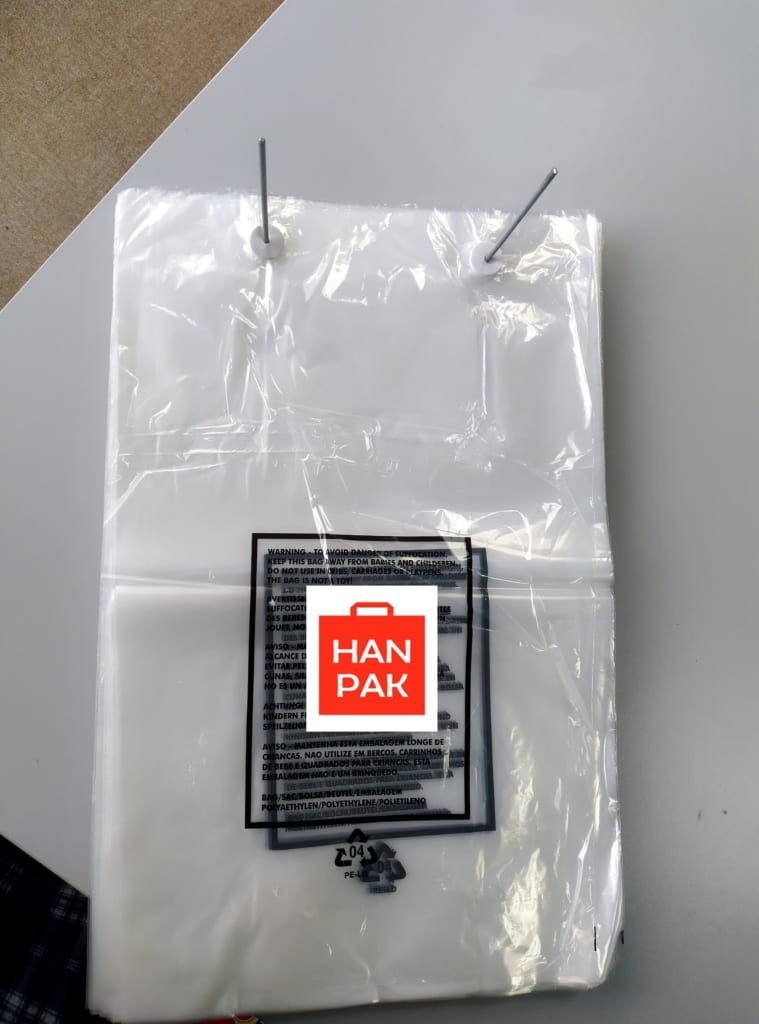
Wicket bags are flat bags that are designed for use on automated filling lines. They are stacked on a metal or plastic wicket pin, allowing machines to open, fill, and seal the bags efficiently.
Key features of Wicket bags:
- Automation-friendly: Perfect for high-speed packaging operations.
- Pre-printed options: Can feature branding, logos, and product information.
- Variety: Available in different thicknesses and sizes to suit various products.
Advantages of Wicket bags:
- Efficient for bulk production and packaging
- Reduces labor costs due to automation
- Can be easily integrated into existing packing machines
Limitations:
- Less stable when stacked manually
- Not ideal for very heavy or bulky products
- Requires equipment to fully utilize benefits
Best applications: Wicket bags are widely used in the food industry, confectionery, snacks, and industrial productsthat require high-speed packing lines.
3. Flat Bags
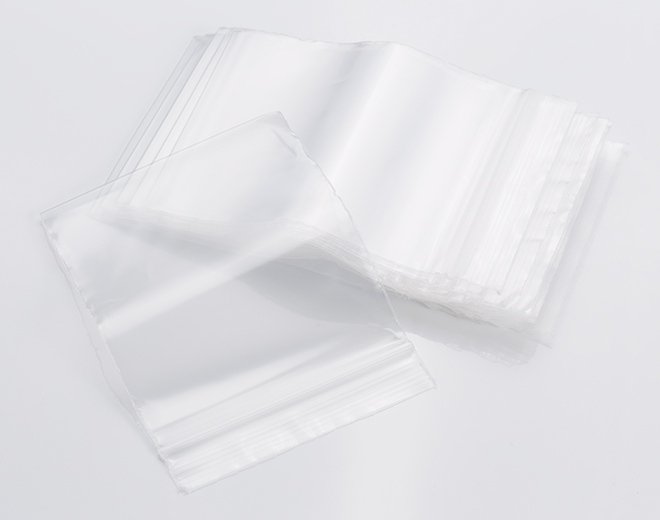
Flat bags are simple rectangular bags without a gusset or bottom. They are versatile and widely used for packaging small to medium-sized products.
Key features of Flat bags:
- Lightweight and easy to handle
- Available in a wide range of sizes and materials
- Can be sealed manually or with machines
Advantages of Flat bags:
- Cost-effective and easy to produce
- Suitable for a variety of products including snacks, apparel, and small items
- Easy to store and transport in bulk
Limitations:
- Limited stacking capability due to flat design
- Not ideal for heavy, bulky, or liquid products
- Less professional appearance compared to Block-head bags
Best applications: Flat bags are ideal for retail packaging, small food items, and light industrial goods.
4. Vest Bags
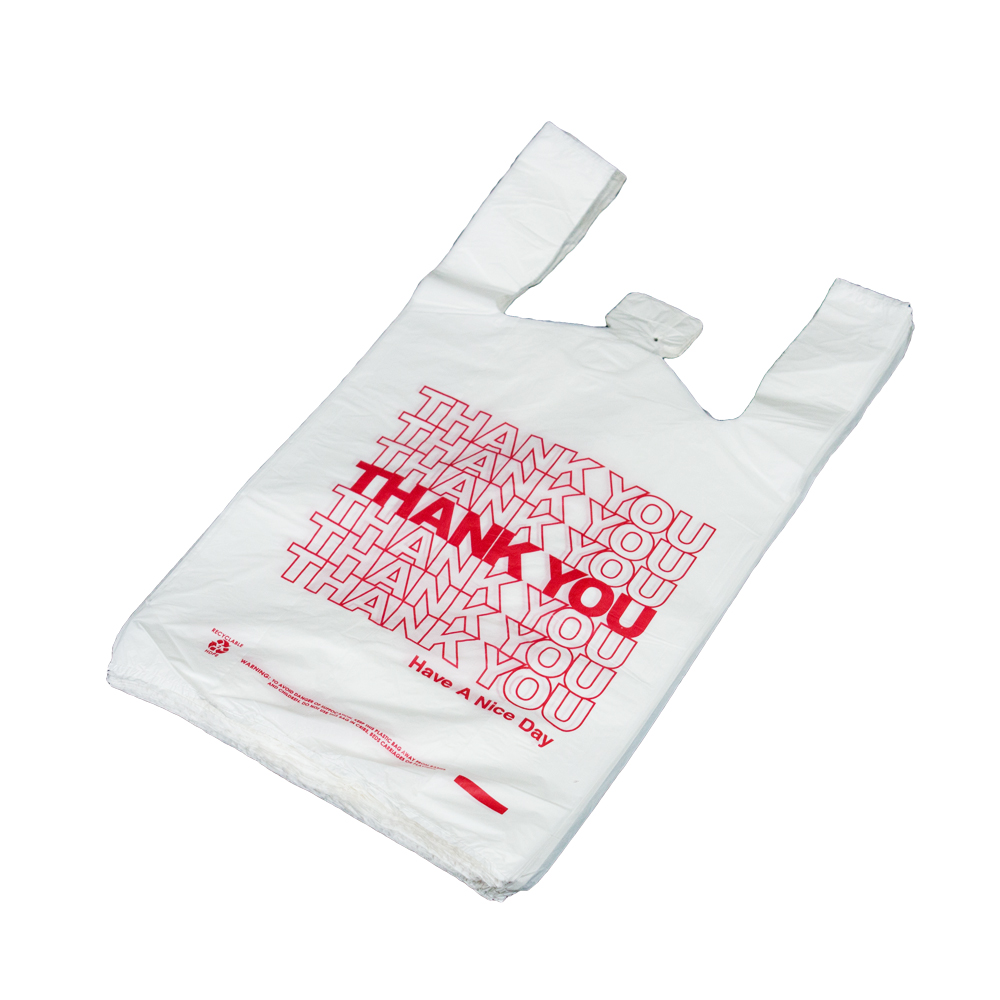
Vest bags, also known as T-shirt bags, are commonly used in retail environments. They feature handles and a shape resembling a vest or T-shirt, making them easy to carry.
Key features of Vest bags:
- Lightweight and convenient for carrying
- Typically made from thin plastic for cost-efficiency
- Limited customization options
Advantages of Vest bags:
- Affordable for short-term or single-use purposes
- User-friendly for customers
- Widely used in supermarkets, convenience stores, and small retail outlets
Limitations:
- Limited load capacity
- Not durable for heavy or industrial products
- Less environmentally friendly unless biodegradable options are used
Best applications: Vest bags are perfect for retail stores, grocery shops, and takeaway services, where light and easy-to-carry packaging is sufficient.
5. Block-head Bags vs Other Packaging Bags
To clearly see the differences, here’s a comparison table:
| Feature | Block-head Bags | Wicket Bags | Flat Bags | Vest Bags |
|---|---|---|---|---|
| Durability | High | Medium | Medium | Low |
| Stacking Ability | Excellent | Low | Low | Poor |
| Load Capacity | Heavy | Medium | Light-Medium | Light |
| Ideal For | Bulk packaging, industrial use | Automated packing lines | Small-medium products | Retail and light items |
| Custom Printing | Yes | Yes | Yes | Limited |
| Cost | Medium | Medium | Low | Very Low |
Key takeaway:
- Block-head bags are ideal for businesses needing strong, stable, and professional packaging.
- Wicket bags excel in automated environments but are less stable manually.
- Flat bags are economical and versatile for lighter products.
- Vest bags are convenient for retail but not suitable for heavy or industrial use.
6. How to Choose the Right Bag
When deciding on a packaging bag, consider the following factors:
- Product weight and size: Heavy or bulky items require Block-head bags; lighter products can use Flat or Vest bags.
- Packing process: Automated lines benefit from Wicket bags, while manual packing can use Block-head or Flat bags.
- Stacking and storage: If storage efficiency is important, Block-head bags offer the best stability.
- Branding and appearance: Custom printing is easiest on Block-head and Wicket bags.
- Budget and environmental impact: Vest and Flat bags are cheaper, but consider biodegradable options to reduce plastic waste.
7. FAQ (Frequently Asked Questions)
Q1: Are Block-head bags reusable?
A: Yes, they are reusable in some industrial applications but are primarily designed for single-use bulk packaging.
Q2: Can Wicket bags be customized?
A: Yes, Wicket bags can be pre-printed with logos, instructions, or promotional designs.
Q3: Which bag is best for retail stores?
A: Vest bags are most common in retail due to convenience, but Flat bags are also used for lightweight products.
Q4: Are there eco-friendly options for these bags?
A: Yes, many manufacturers offer biodegradable or recyclable versions of Block-head, Wicket, Flat, and Vest bags.
Conclusion
Choosing the right packaging bag is crucial for product safety, efficiency, and branding. While Block-head bags offer strength, stability, and professional appearance for heavy-duty and bulk products, Wicket, Flat, and Vest bags serve specialized purposes for automation, cost-effectiveness, or retail convenience. Understanding the differences ensures that businesses select the most suitable packaging solution for their needs.