
In modern manufacturing and food processing, efficiency is king. Businesses producing hundreds or thousands of units per hour need packaging solutions that are not only durable but also fast to handle and consistent. This is where wicket bags come in.
At first glance, wicket bags may seem like just another type of polyethylene bag. But their unique design—mounted on metal wickets—makes them ideal for automated or semi-automated packing lines, helping factories save time, reduce errors, and increase throughput.
What Are Wicket Bags?
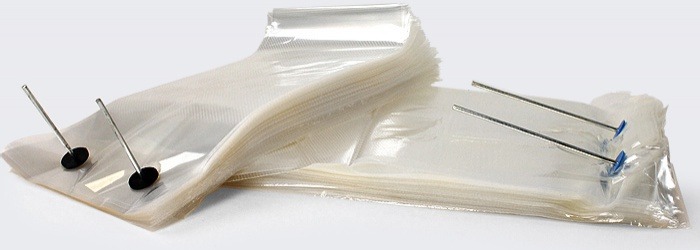
A wicket bag is essentially a polyethylene bag perforated and stacked on a metal rod or wicket. Workers can tear off each bag easily, often without needing to stop a production line. These bags are typically made of LDPE or LLDPE, sometimes with recycled content depending on customer requirements. Their thickness usually ranges from 30 to 120 microns, enough to provide durability while maintaining flexibility.
Unlike simple bags that require manual handling, wicket bags are designed for speed and consistency. Their perforations, uniform size, and compatibility with automated feeders make them the backbone of high-volume operations.
Why Wicket Bags Are a Game-Changer
Speed and Productivity
The biggest advantage of wicket bags is speed. Packing lines, whether in a bakery, apparel factory, or industrial parts warehouse, can operate continuously with minimal downtime. Workers no longer waste time aligning bags or sealing improperly sized units.
Consistency and Quality
Every bag has the same dimensions, the same seal strength, and the same tear perforation. This consistency is crucial when customers or inspectors check packaging for uniformity, especially in food or export markets.
Compatibility with Automation
Many modern factories invest in semi-automatic or automatic bagging machines. Wicket bags are perfectly compatible, making it easier to scale production without additional labor.
Reduced Waste
Manual bagging often results in torn or improperly sealed bags. Wicket bags minimize waste by providing ready-to-use, machine-friendly packaging.
Common Applications

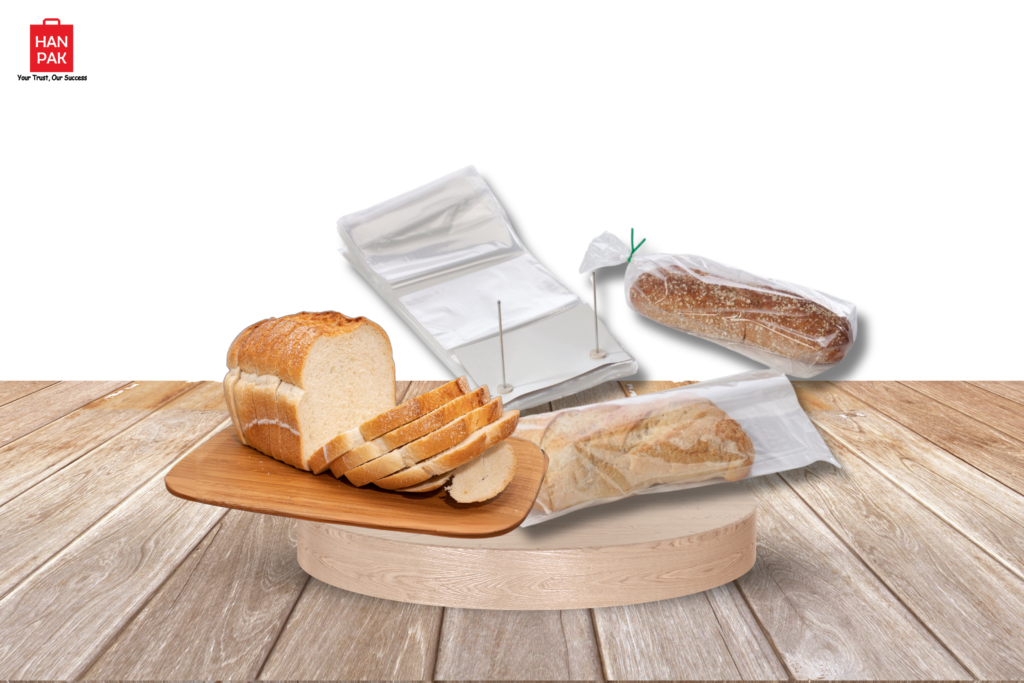
Wicket bags are used in a wide variety of industries:
- Food & Bakery: Bread, buns, tortillas, and frozen goods
- Fresh Produce: Ice, vegetables, and fruit packaging
- Apparel & Textiles: Socks, small garments, or accessories
- Hardware & Spare Parts: Small industrial components, fasteners, or electronic parts
Their versatility ensures that whether you are producing a high-speed consumer goods line or managing industrial parts, wicket bags can handle the demand efficiently.
Design Options and Customization
Factories can choose bags with specific features depending on their line requirements:
- Bottom seal or side seal
- Clear, frosted, or tinted for product visibility
- Perforations for easy tear-off
- Single or multi-color printing for branding or labeling
These options allow businesses to maintain operational efficiency while meeting branding or product visibility needs.
Conclusion
For factories handling high-volume operations, wicket bags are indispensable. They combine speed, consistency, and compatibility with automation, making them more than just a simple packaging material. By integrating wicket bags into production lines, companies can significantly improve packing efficiency, reduce waste, and maintain high product quality—all essential in today’s competitive market.
For more information about Hanpak’s plastic bag products and Alibaba shop, please contact us:
Email: info@hanpak.com.vn
Hotline (Mobile/WhatsApp): +84 898 545 893
Our experienced sales team is ready to assist you. Contact us today to place your order and experience the quality and reliability that Hanpak offers.