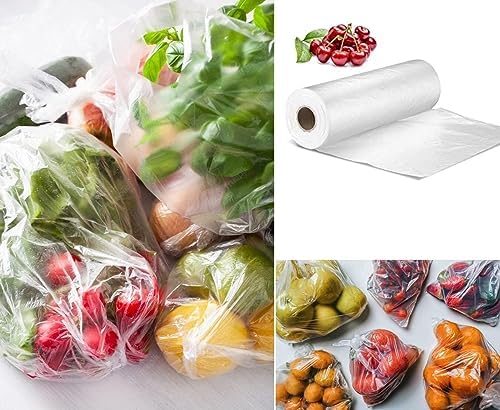
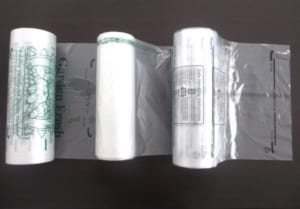
When it comes to packaging fresh produce, meat, or bakery items, produce bags on roll are one of the most essential solutions for supermarkets and grocery stores. But not all produce bags are the same. The two most common materials used are HDPE (High-Density Polyethylene) and LDPE (Low-Density Polyethylene).
Each material comes with unique properties that affect the strength, clarity, flexibility, and cost of the bag. For businesses that rely on packaging to maintain hygiene and customer satisfaction, understanding these differences is crucial.
In this article, we’ll compare HDPE vs LDPE produce bags on roll to help you decide which material is the right choice for your needs.
What Are HDPE and LDPE?
HDPE – High-Density Polyethylene
-
A plastic made from petroleum.
-
Has a high density molecular structure, giving it strength and rigidity.
-
Commonly used for grocery bags, garbage bags, and industrial packaging.
LDPE – Low-Density Polyethylene
-
Also derived from petroleum but with a lower density molecular structure.
-
Known for its softness, flexibility, and transparency.
-
Often used for bread bags, bakery packaging, and premium produce bags.
Key Differences Between HDPE and LDPE
| Feature | HDPE | LDPE |
|---|---|---|
| Strength | Strong, rigid, tear-resistant | Softer, more stretchable but less tear-resistant |
| Clarity | Opaque or milky | Clear and transparent |
| Texture | Crinkly, noisier to touch | Smooth, soft, quieter |
| Thickness | Can be thinner while still strong | Usually needs to be thicker for strength |
| Cost | Generally lower | Slightly higher due to premium quality |
| Applications | Grocery produce, meat packaging, bulk items | Bakery, fresh fruit display, premium retail |
Advantages of HDPE Produce Bags on Roll
-
Cost-effective: Cheaper to produce, ideal for businesses with high consumption.
-
Durable: Can hold heavy loads without tearing.
-
Moisture resistant: Perfect for wet produce like fish, meat, or vegetables.
-
Eco benefits: Requires less material for the same strength (lightweight).
Advantages of LDPE Produce Bags on Roll
-
High transparency: Makes products more visually appealing on shelves.
-
Flexible and soft: Easy to handle and comfortable for customers.
-
Premium appearance: Ideal for bakeries and high-end retail.
-
Custom printing: Accepts detailed printing better than HDPE.
Which Material Should You Choose?
The choice between HDPE and LDPE depends on your business priorities:
-
If your goal is cost savings and durability → choose HDPE. Perfect for supermarkets, grocery chains, and high-volume retail.
-
If your goal is premium presentation and customer experience → choose LDPE. Best for bakeries, organic stores, or businesses that want a high-quality look.
-
If sustainability is a concern → both HDPE and LDPE can be produced in biodegradable or compostable versions.
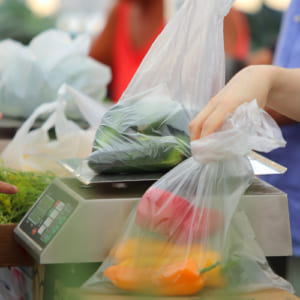
Applications by Industry
-
Supermarkets: HDPE bags for produce, LDPE bags for bakery goods.
-
Butcheries & Seafood Markets: HDPE for strength and moisture resistance.
-
Farmers’ Markets: HDPE for bulk fruits, LDPE for delicate produce like berries.
-
Bakeries: LDPE for bread, rolls, and pastries (clear packaging for display).
Cost Considerations
-
HDPE bags are more economical and can be produced thinner without losing strength, which helps reduce costs.
-
LDPE bags cost slightly more, but they enhance product visibility and customer satisfaction — which can be worth the extra investment for premium businesses.
Sustainability Options
Both HDPE and LDPE can now be made with:
-
Recycled content to reduce virgin plastic use.
-
Biodegradable additives for faster breakdown.
By choosing eco-friendly versions, businesses can meet growing consumer demand for sustainable packaging while still enjoying the benefits of HDPE or LDPE.
Conclusion
So, HDPE vs LDPE: Which material is better for produce bags on roll?
The answer depends on your priorities:
-
Choose HDPE if you need cost savings, durability, and practicality.
-
Choose LDPE if you want clarity, softness, and premium presentation.
Both materials are excellent for food contact applications, and with eco-friendly options available, businesses can make packaging decisions that balance performance, cost, and sustainability.
👉 Looking for a trusted supplier of HDPE and LDPE Produce Bags on Roll? Contact us today for a free consultation and competitive quotation.
📧 Email: info@hanpak.com.vn
📞 Hotline (Mobile/WhatsApp): +84 898 545 893
👉 Our experienced sales team is ready to assist you. Contact us today to place your order and experience the quality and reliability that Hanpak Vietnam offers.