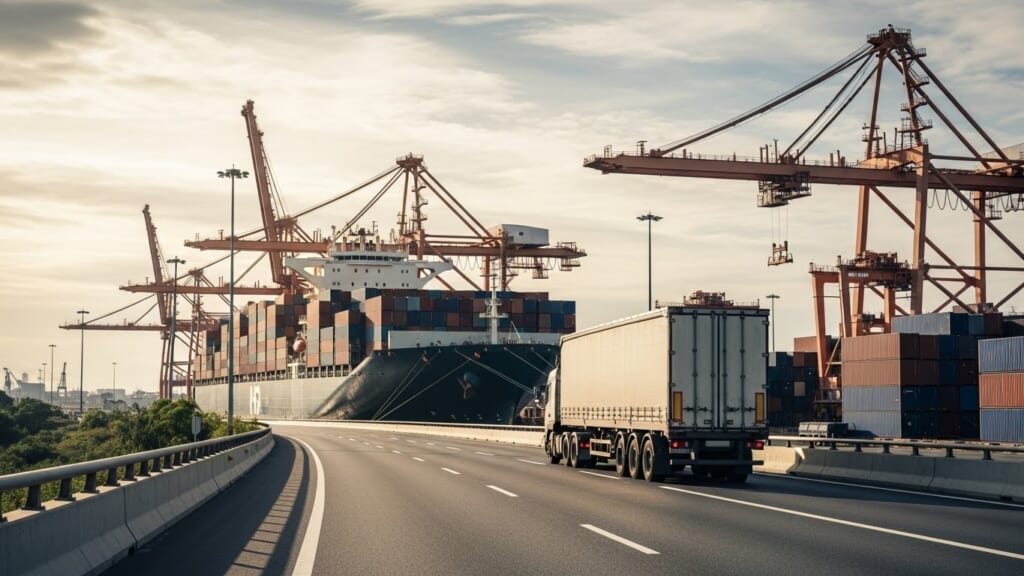
On August 1, 2025, the US Government officially announced the new reciprocal tariff rate applicable to imported goods from more than 70 countries. For the Southeast Asian region, most countries such as Thailand, Malaysia, Indonesia, Cambodia, and the Philippines are subject to a tax rate of 19%, while Vietnam is subject to a tax rate of 20% – slightly higher by 1% due to US concerns about the problem of transferring goods from China.
This tax rate will take effect from the beginning of August 2025, creating significant changes in the global trade picture and opportunities – challenges for Vietnamese businesses, especially in the plastic packaging sector.
1. New context: US tariffs and regional impacts
- ASEAN countries ease tax pressure: Most countries in the Southeast Asian region have reached a tax rate of 19% after negotiations, much lower than the previous rate of 39–41%.
- Vietnam is subject to 20%: This tax rate is still considered competitive compared to some other large markets such as Brazil (50%), Canada (35%), or India (25%)
- Movement to restructure the global supply chain: Enterprises exporting to the US are considering shifting production to countries with lower taxes and more competitive costs.
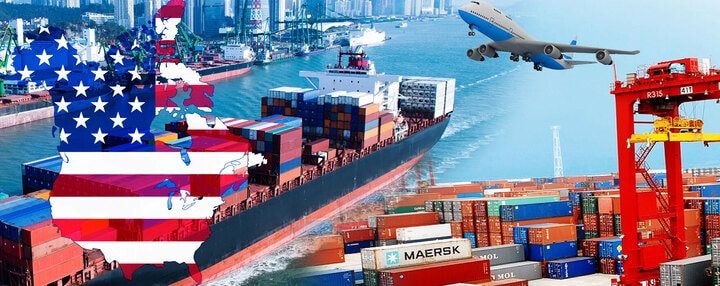
2. Opportunities for Vietnamese enterprises
- Maintaining cost advantages compared to many other markets: The rate of 20% is still significantly lower than the rate of 30–50% that the US applies to many countries outside ASEAN. This helps Vietnamese goods maintain a competitive position in the group of countries exporting packaging to the US.
- Attracting US customers to find alternative sources from China: When Chinese goods are subject to higher tariffs (30%), Vietnam has the opportunity to become an alternative destination thanks to its proximity, good production capacity and stable trade policies.
- Motivating technology and standards upgrades: To take advantage of tariffs, Vietnamese packaging enterprises are forced to improve quality, design and environmental standards – this also increases the value of products.
3. Challenges
- Fierce intra-ASEAN competition: Competitors such as Thailand, Malaysia, Indonesia all enjoy a 19% tax rate – 1% lower than Vietnam. This requires Vietnamese enterprises to optimize costs and services to avoid losing orders.
- Requirement for transparency of raw material origin: The US will tighten origin checks to prevent transshipment from China. The Vietnamese packaging industry must invest in a traceability system and clear documents to avoid the risk of being investigated.
- Pressure to innovate green and sustainable products: Environmentally friendly packaging is a trend; businesses need to invest in recycled materials, bio-PE-foam or biodegradable cartons to retain US customers in the long term.
4. Impact on the Vietnamese packaging industry and Hanpak Vietnam
- Short term: There may be a slight increase in tax costs when exporting to the US, but the opportunity to compensate is to expand market share from competitors with higher taxes such as China and Brazil.
- Medium and long term: Upgrading production technology (automation, precise shaping, green materials) will be the key for Hanpak Vietnam and the domestic packaging industry to retain customers, while expanding to new markets in ASEAN and Europe.
5. Regional Competitiveness Orientation
- Compared to Thailand and Malaysia – which have long-standing packaging industries – Vietnam has advantages in labor costs and order fulfillment speed, but needs to:
- Promote R&D: develop plastic trays, Danpla boxes, PE-foam with high export standards.
- Enhance international brands: ISO, FSC certification, environmental testing to build trust with customers.
- Intra-ASEAN supply chain cooperation: utilize logistics networks to reduce costs and increase profits.
6. Conclusion
The new US tariffs both create pressure and open up opportunities for the Vietnamese packaging industry. Businesses that are flexible in adapting – controlling origin, optimizing costs and upgrading technology – will quickly turn challenges into competitive advantages.
For more information about Hanpak’s plastic bag products and Alibaba shop, please contact us:
Email: info@hanpak.com.vn
Hotline (Mobile/WhatsApp): +84 898 545 893
Our experienced sales team is ready to assist you. Contact us today to place your order and experience the quality and reliability that Hanpak offers